Operation Process and Working Principle of Continuous Material Feeding Pneumatic Conveying Machines
Release time:2026-09-20 10:01:34
name of the company:Shandong Headpowder Engineering Co., Ltd.
telephone:156-6277-7102
contacts:Zhang manager
Continuous material feeding pneumatic conveying machines represent a sophisticated solution for the efficient transport of bulk materials in industrial settings. These systems are designed to handle a wide range of materials, from powders and granules to fine particles, ensuring reliable and continuous operation. The technology behind these machines combines the principles of pneumatic transport with advanced engineering to deliver high-performance material handling solutions.
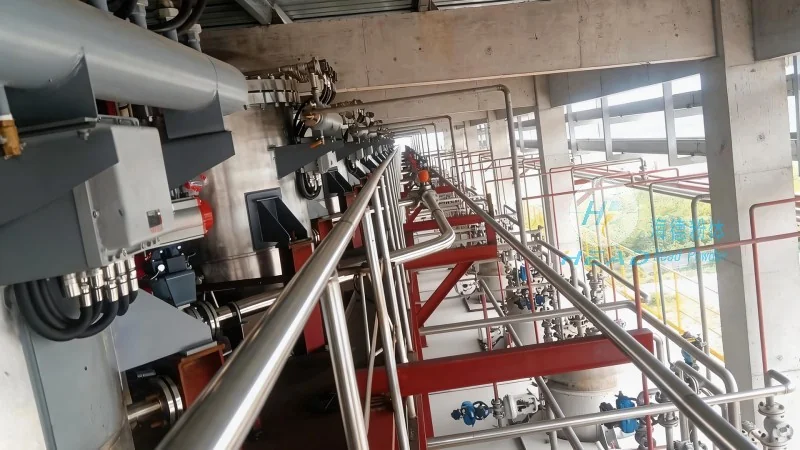
Key Components and Structure of the System
The continuous material feeding pneumatic conveying machine typically consists of several core components that work in tandem to facilitate material transport. These include a feeding hopper, a conveying pipeline, a blower or air compressor, a control system, and a discharge outlet. The feeding hopper is responsible for storing and feeding the material into the system, while the pipeline serves as the conduit for transporting the material. The blower generates the necessary air pressure to move the material through the pipeline, and the control system monitors and regulates the operation to ensure optimal performance. The discharge outlet is where the material is released at the destination point.
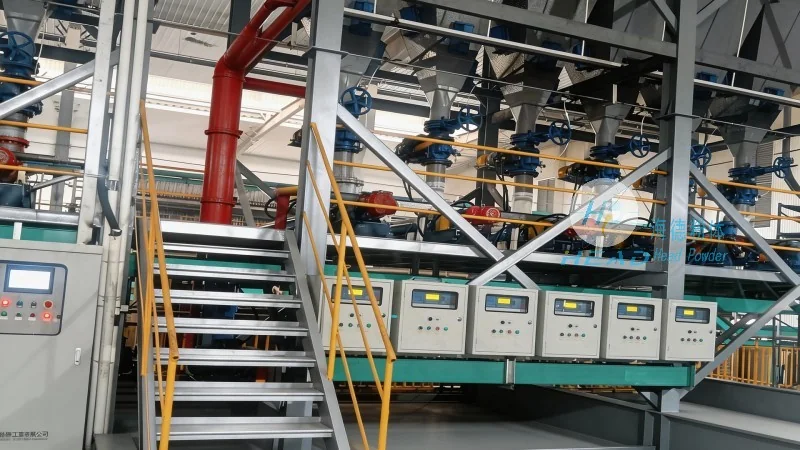
Operation Process: Step-by-Step Explanation
The operation of a continuous material feeding pneumatic conveying machine follows a systematic process that ensures consistent and efficient material transport. The process begins with the material being fed into the hopper from a storage silo or other source. The material then flows into the conveying pipeline under the influence of the air pressure generated by the blower. As the air moves through the pipeline, it entrains the material particles, creating a slurry-like mixture that is propelled forward. The control system continuously monitors the flow rate and pressure, adjusting the blower speed or air volume as needed to maintain a stable conveying rate. The material is then discharged at the receiving end, where it can be further processed or stored.
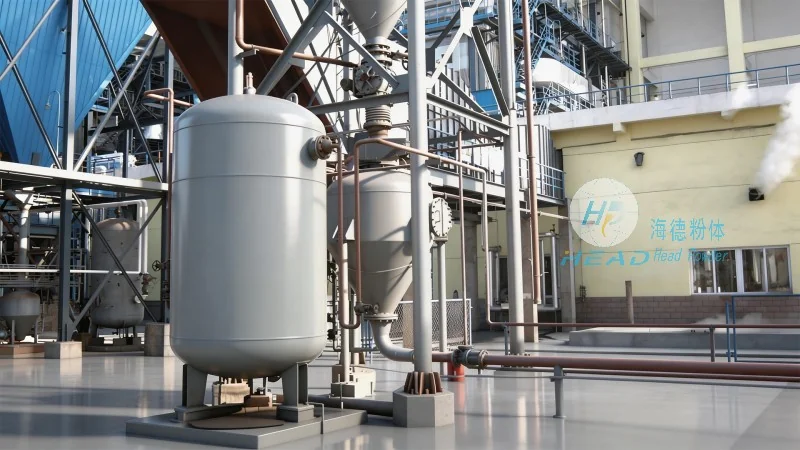
Working Principle: How the System Transfers Material
The working principle of a continuous material feeding pneumatic conveying machine is based on the principle of pneumatic transport, which involves the use of air to move solid particles. The system operates by creating a pressure differential between the inlet and outlet of the pipeline. The blower provides the necessary pressure to push the air through the pipeline, and the material is entrained by the air flow. The air and material mixture travels through the pipeline, with the material particles suspended in the air stream. The velocity of the air is critical, as it must be sufficient to overcome the gravitational and frictional forces acting on the material particles. The system is designed to maintain a consistent air velocity to ensure that the material is transported without clogging or degradation.
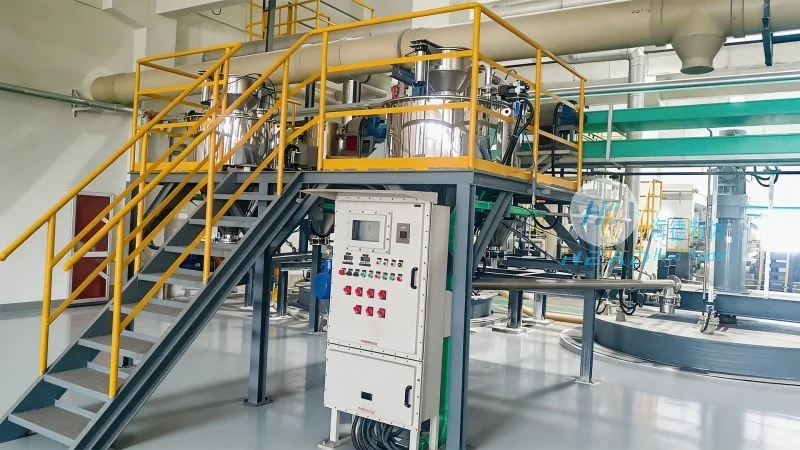
Advantages of Continuous Material Feeding Pneumatic Conveying Machines
Continuous material feeding pneumatic conveying machines offer several advantages over traditional material handling methods. One of the key benefits is the ability to transport materials over long distances without the need for intermediate storage or transfer points. This reduces the risk of material degradation and contamination, which is particularly important for sensitive materials such as food, pharmaceuticals, or chemicals. Additionally, the system is highly flexible and can be easily integrated into existing production lines, allowing for seamless material flow. The continuous operation of the system also improves production efficiency and reduces labor costs, as it eliminates the need for manual handling or intermittent transport.




