Barium carbonate is a widely used chemical compound in various industrial applications, and the efficient handling of its powder form is crucial for maintaining production efficiency and product quality. Pneumatic conveying systems have emerged as a reliable solution for transporting barium carbonate powder, offering advantages such as dust-free operation, reduced material degradation, and enhanced safety in industrial environments. This article explores the fundamental principles of barium carbonate powder pneumatic conveying machines and highlights the key working scene characteristics that make them suitable for specific industrial applications.
Introduction to Barium Carbonate Powder Pneumatic Conveying
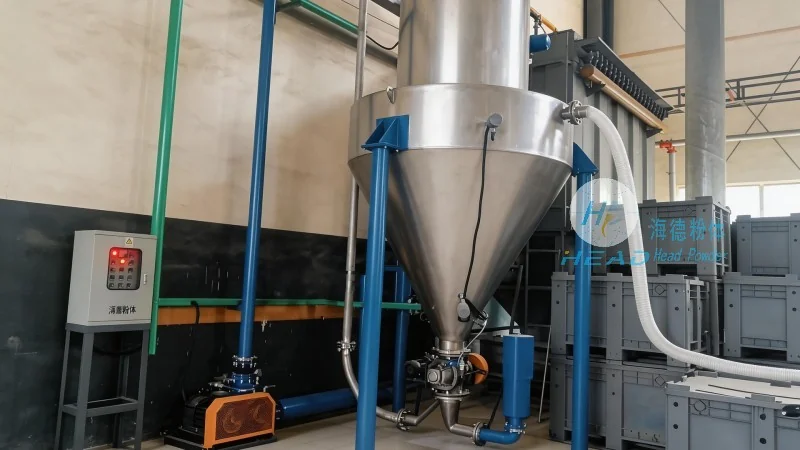
Barium carbonate powder, with its fine particle size and relatively low bulk density, presents unique challenges during material handling. Traditional methods like belt conveyors or bucket elevators may cause particle agglomeration, attrition, or dust emissions, which can compromise product purity and increase operational costs. Pneumatic conveying systems address these issues by utilizing compressed air to transport the powder through a pipeline network. The core components of a barium carbonate powder pneumatic conveying machine typically include a feeding hopper, a rotary valve, a compressor, a pipeline system, and a discharge hopper. The feeding hopper stores the barium carbonate powder, while the rotary valve controls the flow rate of the material into the pipeline. The compressor generates the necessary air pressure to move the powder, and the pipeline system delivers the material to the discharge point. The discharge hopper collects the received powder, completing the conveying process.
Working Principle of Pneumatic Conveying
The working principle of a barium carbonate powder pneumatic conveying machine is based on the interaction between the powder particles and the air stream. There are two primary modes of pneumatic conveying: dilute-phase and dense-phase. Dilute-phase conveying involves transporting the powder in a low concentration of particles suspended in the air, typically at air velocities above the minimum fluidization velocity. This mode is suitable for short-distance conveying and applications where low pressure is required. Dense-phase conveying, on the other hand, operates at higher air velocities and lower air-to-material ratios, resulting in a higher concentration of particles in the pipeline. This mode is ideal for longer distances and applications where product integrity is critical, as it reduces particle attrition and minimizes pressure fluctuations.
Key Working Scene Characteristics
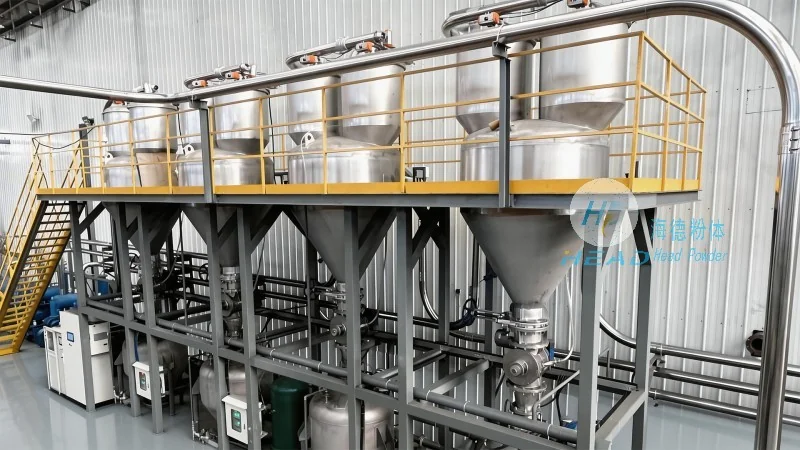
The suitability of barium carbonate powder pneumatic conveying machines for specific industrial applications is determined by several working scene characteristics. These characteristics include the distance between the feeding and discharge points, the required material flow rate, the particle size and density of the barium carbonate powder, and the environmental conditions of the operation site. For example, in applications where the conveying distance is short and the material flow rate is low, a dilute-phase system may be sufficient. However, for longer distances or when transporting fine particles that are prone to agglomeration, a dense-phase system with a higher air pressure and controlled velocity is recommended to maintain product quality.
Industrial Applications and Operational Efficiency
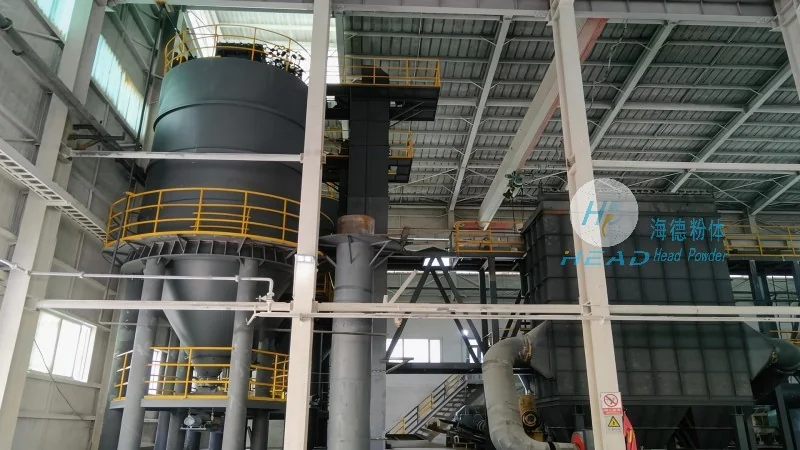
Barium carbonate powder pneumatic conveying machines are widely used in various industries, including chemical manufacturing, pharmaceuticals, and mining. In the chemical industry, these systems are employed to transport barium carbonate from storage silos to processing units, ensuring a continuous and dust-free supply of raw material. In pharmaceutical applications, the use of pneumatic conveying helps maintain the purity of the powder, which is essential for meeting regulatory standards. The operational efficiency of these machines is enhanced by factors such as the design of the pipeline system, the selection of appropriate air velocities, and the maintenance of the compressor and other components. Regular maintenance, including cleaning of the pipeline and replacement of worn parts, is crucial to ensure consistent performance and prevent downtime.
Advantages and Considerations
Implementing barium carbonate powder pneumatic conveying systems offers several advantages over traditional material handling methods. These include reduced labor costs due to automated operation, minimized dust emissions that improve workplace safety, and lower material degradation, which preserves product quality. However, there are also considerations to keep in mind. The initial investment for a pneumatic conveying system can be higher compared to other methods, and the energy consumption may be higher due to the operation of the compressor. Additionally, the system design must be tailored to the specific characteristics of the barium carbonate powder, such as its particle size distribution and moisture content, to ensure optimal performance.
Conclusion
In conclusion, barium carbonate powder pneumatic conveying machines are an effective solution for the efficient and safe handling of barium carbonate powder in industrial settings. By understanding the working principles and key characteristics of these systems, industries can select the appropriate equipment to meet their specific operational needs. The collaboration with companies like Shandong HeadPowder Engineering Co., Ltd., which specializes in engineering and manufacturing such systems, can provide tailored solutions that enhance productivity and product quality. With proper design, installation, and maintenance, pneumatic conveying systems offer a reliable and sustainable approach to material handling in the barium carbonate industry.




