Understanding the principles and operational characteristics of salt material conveying systems is crucial for industries that handle bulk salt, such as food processing, chemical manufacturing, and water treatment. These systems are designed to efficiently transport salt from storage to processing or distribution points, ensuring consistent flow and minimal loss. The following sections will explore the core principles behind these systems and the specific working scene characteristics that make them effective in various applications.
Core Principles of Salt Material Conveying Systems
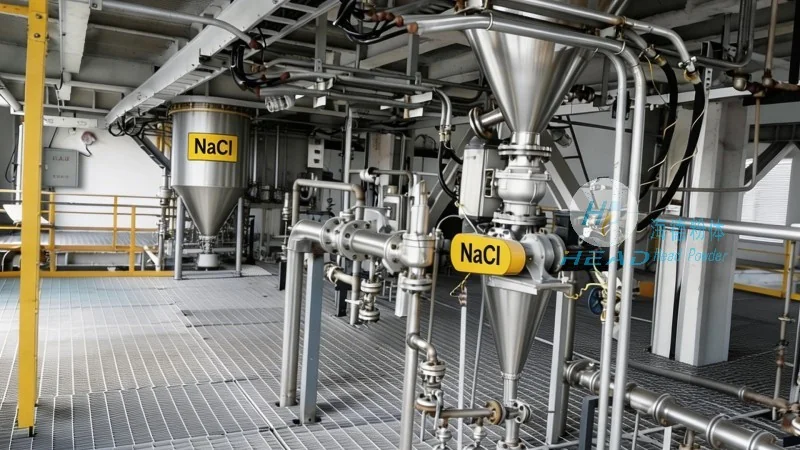
The fundamental principle of salt material conveying systems is to provide a reliable and efficient method for moving bulk salt. This involves several key components and mechanisms that work together to achieve optimal performance. The system typically includes a hopper or storage bin to hold the salt, a conveyor mechanism (such as a belt conveyor, screw conveyor, or pneumatic conveyor) to transport the material, and control systems to regulate the flow. The choice of conveyor type depends on factors like the salt's properties—such as its size, moisture content, and abrasiveness—and the required throughput. For example, a belt conveyor is often used for large, dry salt particles due to its ability to handle heavy loads and maintain a consistent speed. In contrast, a screw conveyor may be preferred for finer salt or when vertical lifting is needed, as it can provide gentle handling and prevent material degradation. Pneumatic conveyors are another option, especially for dusty or fine salt, as they use air pressure to move particles through a pipeline, reducing the risk of contamination and ensuring a clean transfer.
Working Scene Characteristics of Salt Material Conveying Systems
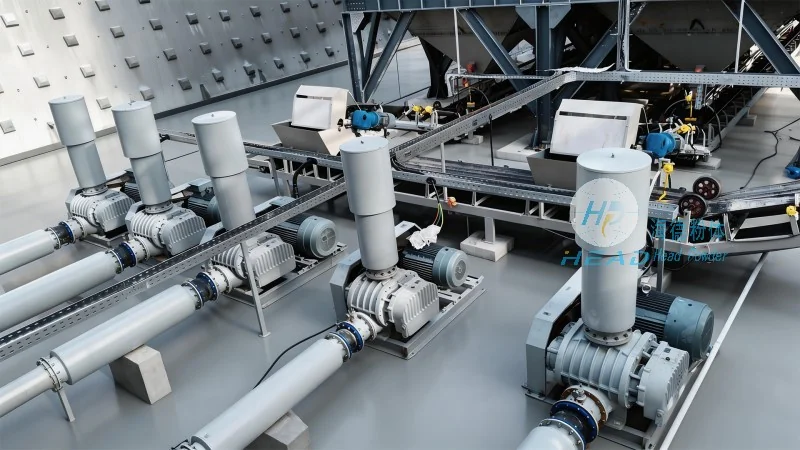
The working scene characteristics of salt material conveying systems vary significantly based on the application and environment. In food processing facilities, for instance, the system must meet strict hygiene standards. This means using materials like stainless steel for all components to prevent contamination and ensure easy cleaning. The conveyor speed is often adjustable to control the flow rate, which is critical for maintaining product quality and preventing over-processing. Additionally, the system may include dust collection and filtration systems to maintain a clean working environment, as fine salt particles can be a health hazard if inhaled. In chemical manufacturing, the system may need to handle salt with higher moisture content or in conjunction with other chemicals. Here, the conveyor design must consider corrosion resistance, as salt can be corrosive when mixed with water or acids. The control systems are often more sophisticated, with sensors to monitor moisture levels and adjust the conveyor speed or feed rate accordingly. Water treatment plants also use salt material conveying systems, typically for adding salt to water for desalination or water softening processes. In these applications, the system must be able to handle large volumes of salt and ensure precise dosing. The working scene may involve outdoor or semi-outdoor settings, where the system is exposed to weather conditions. This requires robust construction, such as weatherproof enclosures and corrosion-resistant materials, to maintain functionality in harsh environments. The conveyor may also need to be integrated with other equipment, like mixers or reactors, to ensure the salt is added at the correct time and in the right proportion. In industrial settings, the system may be part of a larger production line, where the conveyor must coordinate with other machinery to maintain a smooth workflow. This involves synchronized control systems that adjust the speed of the conveyor based on the output of upstream equipment, preventing bottlenecks and ensuring consistent production rates.
Key Features and Advantages of HeadPowder's Salt Material Conveying Systems
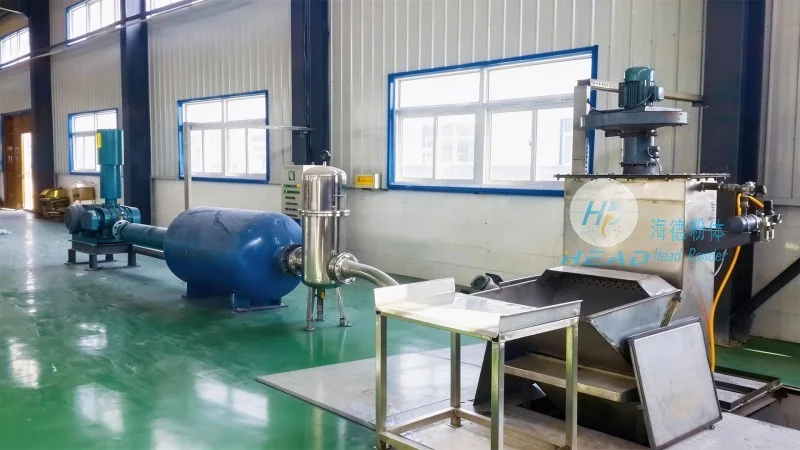
HeadPowder Engineering Co., Ltd., a leading manufacturer of industrial conveying systems, offers a range of salt material conveying solutions tailored to meet the diverse needs of various industries. The company's products are designed with the core principles of efficiency, reliability, and adaptability in mind. For example, their belt conveyor systems are built with high-quality rubber belts and heavy-duty frames, ensuring they can handle large volumes of salt without compromising performance. The screw conveyors feature stainless steel screws and housing, providing excellent corrosion resistance and easy maintenance. Pneumatic conveyors are equipped with advanced air filtration systems and adjustable pressure controls, allowing for precise control over the material flow. One of the key advantages of HeadPowder's systems is their customization options. The company works closely with clients to understand their specific requirements—such as the type of salt, processing capacity, and environmental conditions—and designs a system that meets those needs. This includes options for vertical or horizontal transport, different conveyor speeds, and integration with existing equipment. The systems are also designed for easy maintenance, with accessible components and clear operational instructions. This reduces downtime and maintenance costs, which is crucial for industrial operations. Additionally, HeadPowder's systems are built with safety in mind. They include features like emergency stop buttons, overload protection, and safety guards to prevent accidents and ensure compliance with safety regulations. The company's commitment to quality is reflected in their use of durable materials and rigorous testing procedures. Each system undergoes thorough testing to ensure it meets performance standards before being shipped to the customer. This attention to detail ensures that clients receive a reliable and long-lasting product that enhances their operational efficiency.




