Principle and Working Scene Characteristics of White Clay Powder Conveying System
Release time:2026-09-19 03:01:30
name of the company:Shandong Headpowder Engineering Co., Ltd.
telephone:156-6277-7102
contacts:Zhang manager
White clay, or bleaching earth, is a critical additive in industries such as food processing, pharmaceuticals, and cosmetics. Its primary function is to adsorb impurities and improve the quality of end products. However, the handling of white clay in its powder form presents unique challenges, including dust generation, material loss, and the need for efficient transportation. The white clay powder conveying system addresses these challenges by providing a reliable, efficient, and safe method to move white clay from storage silos or hoppers to processing equipment. This system is essential for maintaining consistent production quality and optimizing operational efficiency in facilities that rely on white clay as a key ingredient.
About Shandong HeadPowder Engineering Co., Ltd.
HeadPowder, a prominent engineering company based in Shandong, China, specializes in the design, manufacturing, and implementation of advanced powder handling systems. With a strong commitment to innovation and customer satisfaction, HeadPowder has established itself as a trusted partner for industries requiring high-performance conveying solutions. The company's team of experienced engineers and technicians leverages cutting-edge technology and industry best practices to develop systems that meet the specific needs of each client. HeadPowder's headquarters in Shandong provides a strategic location for serving the domestic and international markets, with a focus on delivering solutions that enhance productivity, reduce costs, and ensure compliance with safety and environmental regulations.
Principle of the White Clay Powder Conveying System
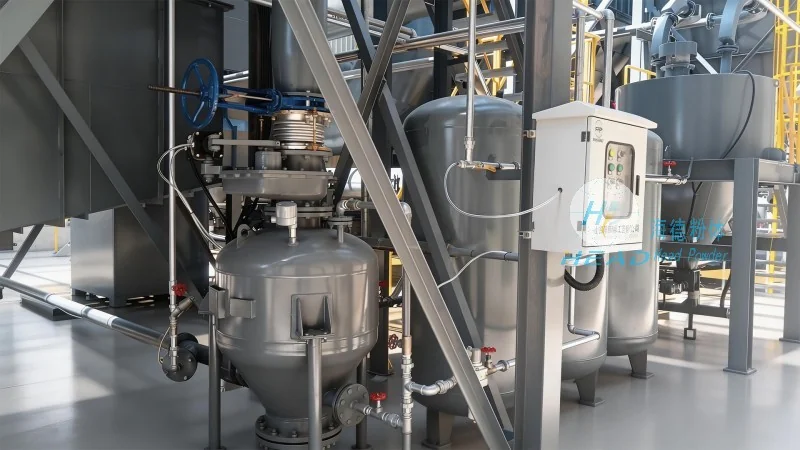
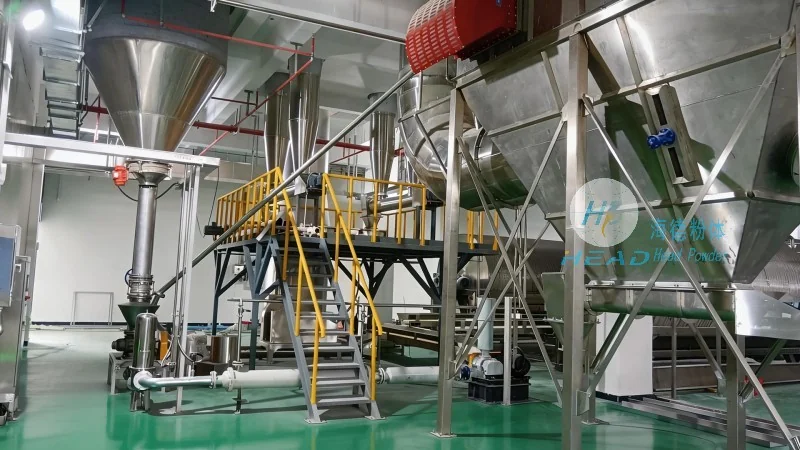
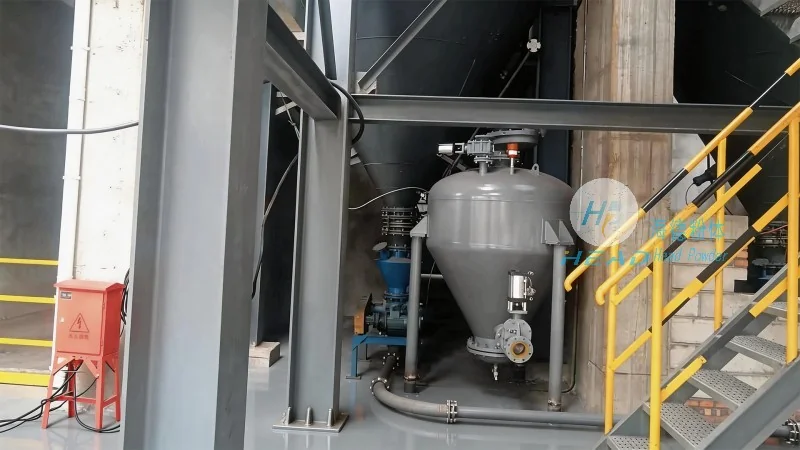
The fundamental principle of the white clay powder conveying system is pneumatic transport, which utilizes air to move the fine powder through a closed pipeline system. This method is particularly effective for white clay due to its low density and tendency to form dust. The system operates by creating a pressure differential between the material source and the destination. In suction (vacuum) systems, a vacuum pump draws air and white clay particles into the pipeline, while in pressure systems, compressed air forces the material through the lines. The key components of the system include a storage hopper equipped with a feeder to control the flow rate, a conveying line with appropriate fittings (elbows, tees, and valves) to direct the material, and a receiving hopper or processing unit at the end of the line. The feeder, often a rotary valve or a screw feeder, ensures a consistent and controlled discharge of white clay into the pipeline. The conveying line is typically made of materials resistant to the chemical properties of white clay, such as stainless steel or special plastics, to prevent corrosion and material buildup. The system is designed to handle the specific characteristics of white clay, including its fine particle size (often below 100 microns) and high dust content, ensuring stable and continuous operation without clogging or blockages.




