HeadPowder, a leading provider in the field, specializes in advanced pneumatic conveying solutions tailored for sodium silicate applications. This article delves into the fundamental principles and operational characteristics of sodium silicate pneumatic conveying systems, offering insights into their design, functionality, and practical applications.
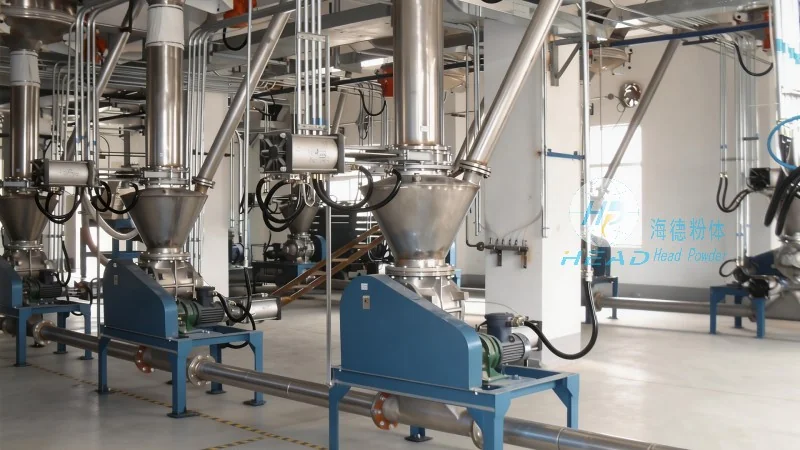
Understanding the Core Principle of Sodium Silicate Pneumatic Conveying
The operation of a sodium silicate pneumatic conveying system is built upon the principle of transporting bulk materials through a pressurized or vacuum air stream. In this system, sodium silicate, a key industrial chemical, is suspended in an air current, allowing for efficient movement from one location to another. The system typically consists of a hopper, a conveying line, and a receiver, with the air flow generated by a blower or fan. The design ensures that the material is kept in a fluidized state, minimizing friction and preventing blockages. This method is particularly effective for handling sodium silicate, which can be abrasive or have specific flow characteristics that traditional mechanical conveying might struggle with.
Key Components and Their Roles in the System
Several critical components work in tandem to ensure the smooth operation of a sodium silicate pneumatic conveying system. The hopper serves as the storage and feeding unit, where sodium silicate is loaded and prepared for transport. The blower or fan provides the necessary air pressure to generate the conveying stream. The conveying line, often made of durable materials like stainless steel or special polymers, is designed to withstand the corrosive nature of sodium silicate and the pressure of the air flow. The receiver collects the conveyed material at the destination point, ensuring a controlled discharge. Additionally, components such as filters and cyclones may be integrated to separate the air from the material, maintaining system efficiency and preventing contamination. Each component is carefully selected and engineered to handle the unique properties of sodium silicate, ensuring long-term reliability and performance.
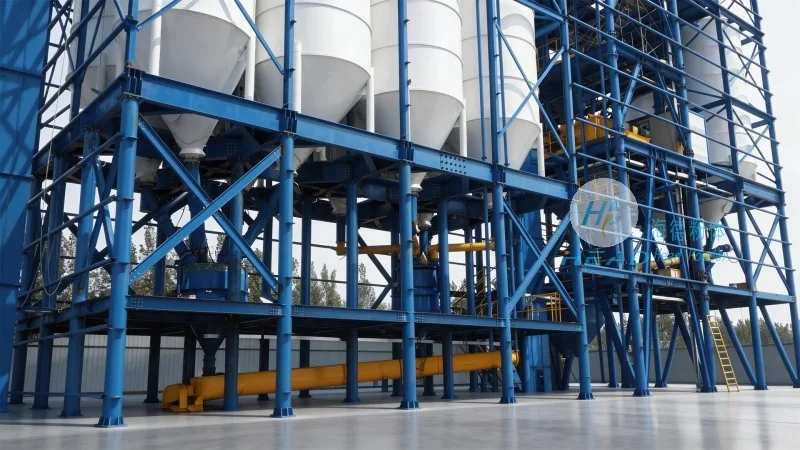
Working Scene Characteristics and Practical Applications
Sodium silicate pneumatic conveying systems are widely utilized in various industrial settings, each with distinct characteristics that influence their application. In manufacturing plants, these systems are employed to transport sodium silicate from storage silos to processing units, ensuring a continuous and efficient supply chain. The systems are particularly beneficial in environments where space is limited or where traditional conveyor belts might not be feasible due to the material's properties. For example, in chemical production facilities, the ability to handle sodium silicate in a dust-free manner is crucial for maintaining safety and compliance with environmental regulations. Additionally, the systems are used in construction and building materials industries, where sodium silicate is used as a binder or additive. The working scene characteristics, such as the need for high throughput and low maintenance, make these systems ideal for continuous operation in demanding industrial environments.
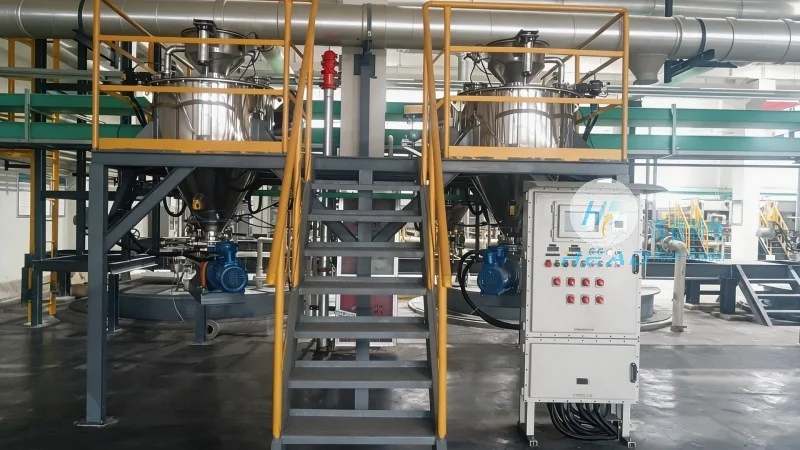
Advantages and Considerations for Sodium Silicate Pneumatic Conveying
Implementing a sodium silicate pneumatic conveying system offers several advantages over traditional conveying methods. The primary benefit is the ability to transport materials in a closed system, reducing dust emissions and improving workplace safety. This is particularly important for sodium silicate, which can be a respiratory irritant if not handled properly. Additionally, the system allows for precise control over the material flow, enabling accurate dosing and minimizing waste. The closed system also helps in maintaining the material's quality, as it is protected from moisture and contamination. However, there are considerations to keep in mind when selecting a pneumatic conveying system for sodium silicate. The system requires regular maintenance to ensure the air filters and components are clean and functioning properly. The cost of the system, including the initial investment and ongoing maintenance, should be evaluated against the benefits of improved efficiency and safety. Furthermore, the system's design must be tailored to the specific characteristics of the sodium silicate being handled, such as its particle size and moisture content.
Conclusion and Company Overview
HeadPowder Engineering Co., Ltd., based in Shandong, China, is a trusted partner in providing customized pneumatic conveying solutions for sodium silicate applications. With a focus on innovation and quality, the company designs and manufactures systems that meet the unique needs of its clients. The principles and characteristics of sodium silicate pneumatic conveying systems, as outlined above, highlight the importance of specialized engineering in handling this critical industrial material. By understanding the core principles and operational characteristics, industries can leverage these systems to enhance efficiency, safety, and productivity. HeadPowder continues to lead in the development of advanced conveying technologies, ensuring that clients receive reliable and effective solutions for their sodium silicate handling needs.




