For industrial facilities dealing with fly ash, the efficient and reliable transport of this material is critical to operational efficiency and environmental compliance. Pneumatic conveying systems offer a versatile solution for handling fly ash, leveraging the principles of solid-gas two-phase flow to move particles through pipelines. This article explores the fundamental principles of fly ash pneumatic conveying and highlights key characteristics of its application scenarios, with a focus on the expertise of Shandong HeadPowder Engineering Co., Ltd., a leading provider based in Shandong, China.
Principles of Fly Ash Pneumatic Conveying
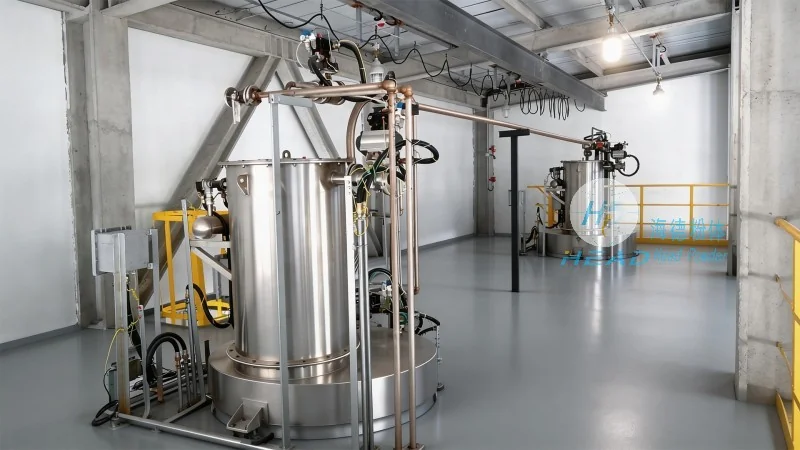
Pneumatic conveying operates on the principle of transporting solid particles by suspending them in a moving gas stream. In the context of fly ash, which is a fine, powdery byproduct of combustion processes, this method effectively moves the material from collection points to storage or processing facilities. The core mechanism involves creating a pressure differential or utilizing suction to generate the necessary airflow that carries the ash particles. Two primary types of pneumatic conveying systems are commonly used: pressure and suction.
Pressure systems generate high-pressure air at the conveyor inlet, pushing the ash through the pipeline. This approach is suitable for short to medium distances and can handle higher concentrations of material. The system typically includes a blower or compressor, a hopper for material storage, and a pipeline network. The pressure applied ensures that the ash remains suspended in the air stream, preventing blockages and ensuring consistent flow. For fly ash, which has a relatively low density and fine particle size, pressure systems are often optimized to maintain a stable flow rate and minimize particle degradation.
Suction systems, on the other hand, use a vacuum at the discharge end to draw the ash from the source. This method is ideal for long-distance or high-rise applications where the material needs to be transported from elevated locations or over significant distances. The system includes a vacuum pump, a collection hopper, and a pipeline that extends to the destination. Suction systems are particularly effective for handling fly ash in scenarios where the source is at a higher elevation than the destination, such as from a boiler or a silo, and requires transport downward or over long horizontal distances.
Key Characteristics of Fly Ash Pneumatic Conveying Systems
The design and performance of fly ash pneumatic conveying systems are influenced by several factors, including the physical properties of the ash, the distance and elevation changes, and the required throughput. The particle size distribution, moisture content, and density of fly ash are critical parameters that affect the system's efficiency. For example, finer particles may require higher air velocities to remain suspended, while higher moisture content can lead to agglomeration, which may necessitate additional drying or conditioning steps before conveying.
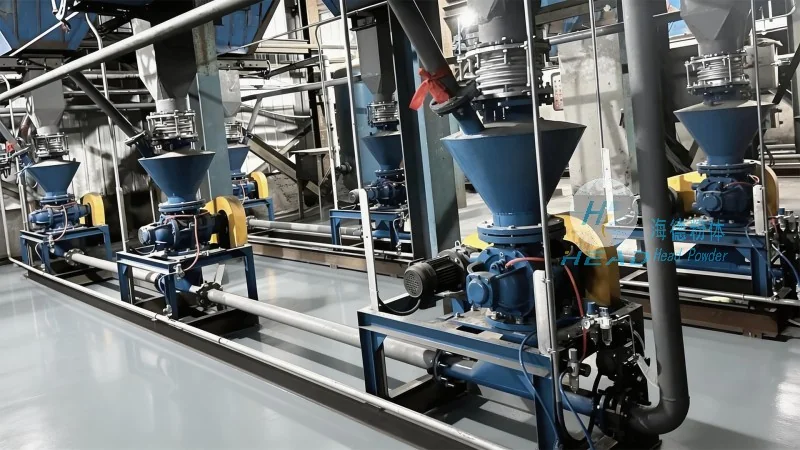
System capacity is another key characteristic, as it determines the amount of fly ash that can be transported per unit time. This is influenced by the pipeline diameter, the air velocity, and the concentration of material in the air stream. Higher air velocities and larger pipeline diameters can increase capacity, but may also lead to higher energy consumption and potential wear on components. Engineers must balance these factors to design a system that meets the operational requirements while minimizing costs and maintenance.
Operational reliability is a critical characteristic for industrial applications, as downtime can result in material loss or environmental issues. Pneumatic conveying systems are generally reliable when properly designed and maintained, but factors such as blockages, air leaks, or equipment failure can impact performance. Regular maintenance, including cleaning of pipelines and filters, and monitoring of air pressure and flow rates, are essential to ensure consistent operation. For fly ash, which can be abrasive due to its fine particle size, the selection of materials for pipelines and components is important to prevent wear and extend the system's lifespan.
Application Scenarios and Operational Environments
Fly ash pneumatic conveying is widely used in various industrial settings, with each scenario presenting unique challenges and requirements. In power plants, for instance, the system is typically employed to transport fly ash from the boiler's bottom ash hopper or from the electrostatic precipitator (ESP) to a storage silo or a landfill. The distance between the boiler and the storage facility can vary from a few hundred meters to several kilometers, depending on the plant's layout. The system must be designed to handle the high volume of ash produced by the plant, often in the range of tens of tons per hour, and to accommodate elevation changes, such as transporting ash from a lower boiler level to an elevated silo.
In cement and concrete production facilities, fly ash is used as a supplementary cementitious material (SCM), and pneumatic conveying is used to transport it from storage silos to the mixing plant. The system must be able to handle the ash's fine particle size and low bulk density, ensuring that the material is delivered to the mixer without segregation or loss. The application scenario may involve multiple silos and a network of pipelines to distribute the ash to different production lines, requiring a system that can be easily expanded or modified to accommodate changes in production capacity.
Industrial waste treatment facilities also utilize fly ash pneumatic conveying for the handling of ash from incineration processes. In these applications, the system must be designed to handle potentially hazardous materials and to comply with environmental regulations. The conveying process may involve additional steps, such as moisture control or particle size reduction, to ensure that the ash is processed safely and efficiently. The operational environment in waste treatment facilities is often more challenging due to the presence of contaminants and the need for strict safety protocols.
System Design and Integration with Industrial Processes
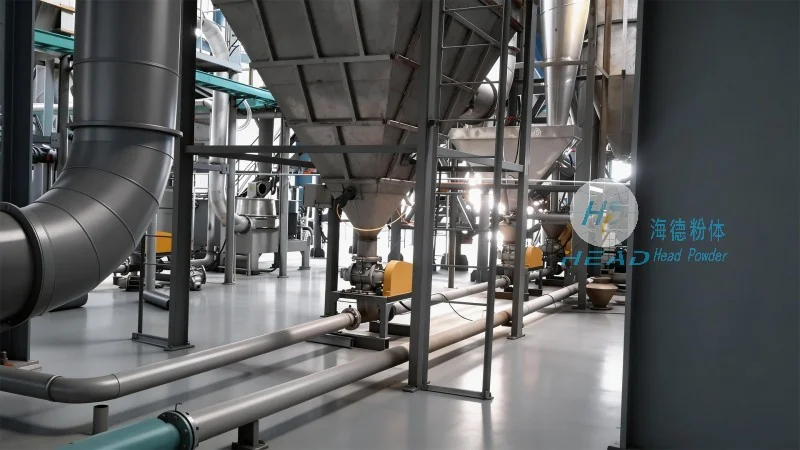
The successful implementation of a fly ash pneumatic conveying system requires careful integration with the existing industrial processes. This involves considering the location of the ash source, the destination, and any intermediate processing steps. The system design must account for the physical layout of the facility, including the presence of obstacles, elevation changes, and existing infrastructure. For example, in a power plant, the conveyor may need to navigate around buildings or other equipment, requiring the use of flexible or curved pipelines.
Energy efficiency is a key consideration in system design, as pneumatic conveying can be energy-intensive. Engineers often optimize the system by selecting the appropriate air velocity and pipeline diameter to achieve the desired capacity with minimal energy consumption. Variable frequency drives (VFDs) are commonly used to adjust the air flow rate based on the actual demand, reducing energy waste during periods of low ash production. Additionally, the use of high-efficiency blowers and filters can further improve energy performance and reduce operating costs.
Maintenance and operational considerations are also critical for long-term system performance. Regular inspection of pipelines for blockages or wear, and replacement of filters to prevent clogging, are essential to maintain system reliability. The system should be designed with easy access points for maintenance, allowing for quick repairs and minimizing downtime. For facilities that operate continuously, such as power plants, the redundancy of components, such as blowers or vacuum pumps, may be necessary to ensure uninterrupted operation.
Conclusion
Fly ash pneumatic conveying is a vital technology for the efficient handling of fly ash in various industrial applications. By leveraging the principles of solid-gas two-phase flow, these systems provide a reliable and flexible method for transporting ash from generation points to storage or processing facilities. The key characteristics of such systems, including their design for specific material properties, operational capacity, and reliability, make them suitable for diverse industrial environments. As a leading provider in the field, Shandong HeadPowder Engineering Co., Ltd. specializes in designing and implementing customized pneumatic conveying solutions tailored to the unique needs of industrial clients, ensuring optimal performance and compliance with industry standards.




