For industries dealing with arsenic trioxide, efficient and reliable material handling is crucial. The pneumatic conveying line for arsenic trioxide offers a sophisticated solution that combines advanced technology with robust engineering to ensure safe and effective transport of this hazardous material. This article explores the working principle and key features of such a system, highlighting its importance in modern industrial applications.
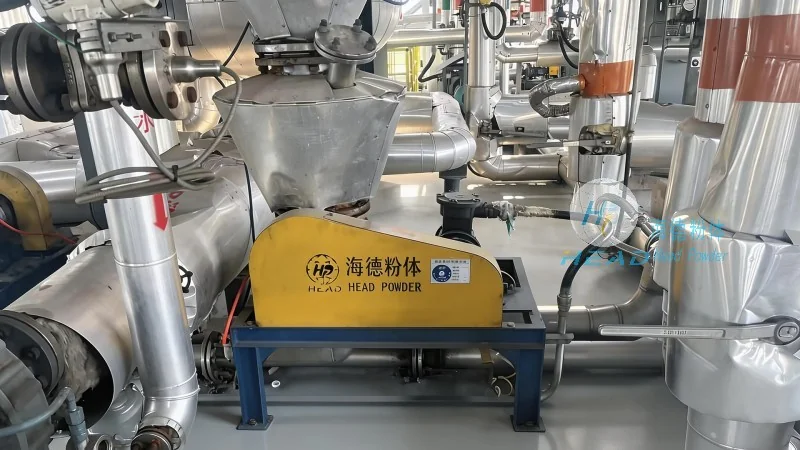
Working Principle of the Pneumatic Conveying Line
The pneumatic conveying line for arsenic trioxide operates on the principle of using compressed air to transport solid particles through a pipeline. The system typically consists of a feeding hopper, a rotary valve, a conveying pipe, and a receiver or collection unit. When the material is fed into the hopper, it is discharged into the conveying pipe via the rotary valve. Compressed air is then introduced into the pipe, creating a flow that propels the arsenic trioxide particles forward. The velocity and pressure of the air are carefully controlled to maintain a stable and uniform flow, minimizing particle degradation and ensuring consistent delivery to the destination.
Key components of the system include the air compressor, which generates the necessary pressure, and the filter system, which removes any moisture or contaminants from the air to prevent corrosion and maintain system integrity. The conveying line is designed with materials that are resistant to the chemical properties of arsenic trioxide, such as stainless steel or specialized coatings, to ensure durability and safety. The entire process is automated, with sensors and controls that monitor pressure, flow rate, and material level, providing real-time feedback and allowing for adjustments to optimize performance.
Key Features and Advantages of the System
The pneumatic conveying line for arsenic trioxide offers several advantages over traditional mechanical conveying methods. One of the primary benefits is the ability to handle fine or powdery materials without the need for mechanical components like belts or buckets, which can cause contamination or wear. The system also provides a closed-loop operation, reducing dust emissions and improving workplace safety, which is critical when dealing with hazardous materials like arsenic trioxide. Additionally, the system can transport materials over long distances with minimal energy consumption, making it an efficient solution for large-scale operations.
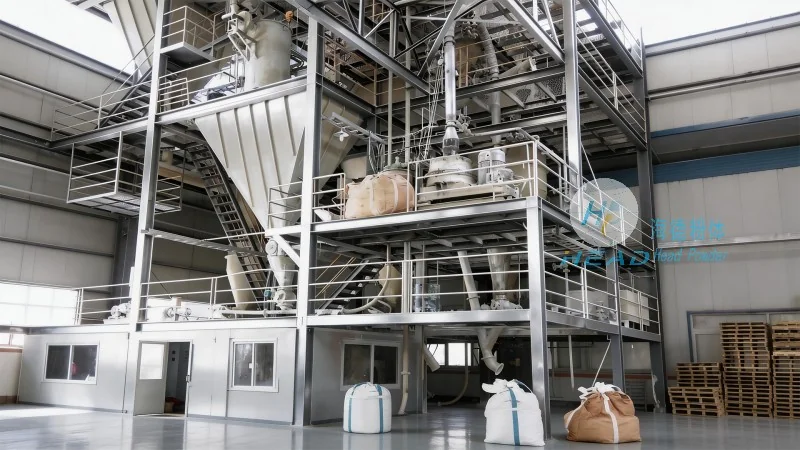
Another significant feature is the flexibility of the system, which can be adapted to various production requirements. The conveying line can be configured for different flow rates and particle sizes, allowing it to handle varying quantities of material. The system also supports multiple discharge points, enabling the distribution of arsenic trioxide to different locations within a facility. This flexibility makes it suitable for diverse industrial applications, from pharmaceutical manufacturing to chemical processing.
Technical Specifications and Operational Capabilities
The technical specifications of the arsenic trioxide pneumatic conveying line are tailored to meet the specific demands of industrial processes. The system is designed to handle particle sizes ranging from 1 to 200 microns, with a maximum conveying capacity of up to 10 tons per hour, depending on the configuration. The air pressure typically ranges from 0.5 to 1.5 bar, and the conveying velocity is maintained at a level that prevents particle segregation and ensures uniform flow. The system is equipped with safety features, including pressure relief valves and emergency shut-off mechanisms, to prevent over-pressurization and ensure operator safety.
Operational capabilities include the ability to handle both dry and slightly moist materials, with the moisture content being carefully controlled to prevent caking or blockages. The system is also designed for easy maintenance, with accessible components that can be serviced without extensive downtime. Regular cleaning and inspection of the conveying line are recommended to maintain optimal performance and prevent the buildup of material residues.
Application Scenarios and Industry Use Cases
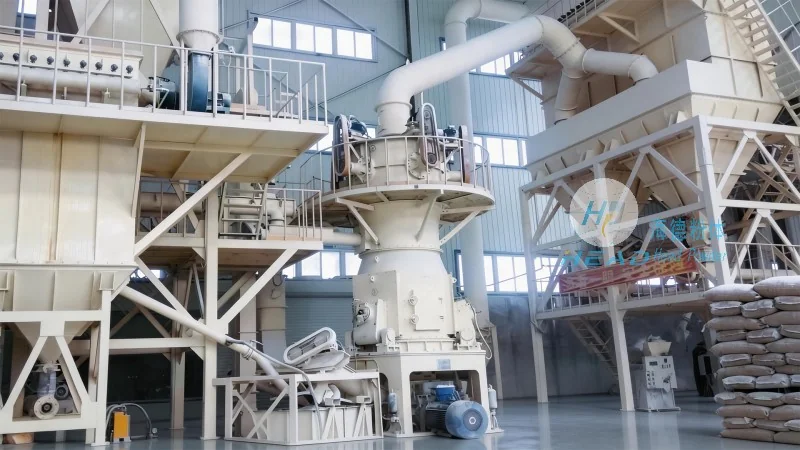
The pneumatic conveying line for arsenic trioxide is widely used in various industries where arsenic trioxide is a key raw material. In the pharmaceutical industry, it is used for the transport of arsenic trioxide in the production of drugs, where precision and safety are paramount. In the chemical industry, it is utilized in the manufacturing of pesticides and other chemical products, where consistent material handling is essential for quality control. Additionally, the system is employed in research and development facilities, where small-scale testing and material transfer require reliable and efficient equipment.
In each of these applications, the system's ability to maintain a closed environment and minimize exposure to the material is critical. The reduced risk of dust inhalation and contamination not only improves workplace safety but also ensures compliance with environmental regulations. The system's efficiency in transporting materials over long distances also contributes to overall operational productivity, reducing the time and labor required for material handling tasks.
Company Profile: Shandong HeadPowder Engineering Co., Ltd.
Shandong HeadPowder Engineering Co., Ltd. is a leading manufacturer and supplier of specialized material handling equipment, including pneumatic conveying systems for hazardous materials. With a strong focus on innovation and quality, the company has established itself as a trusted partner in the industry, providing solutions that meet the highest standards of safety and performance. HeadPowder's expertise in designing and manufacturing arsenic trioxide pneumatic conveying lines is built on years of experience and a commitment to customer satisfaction.
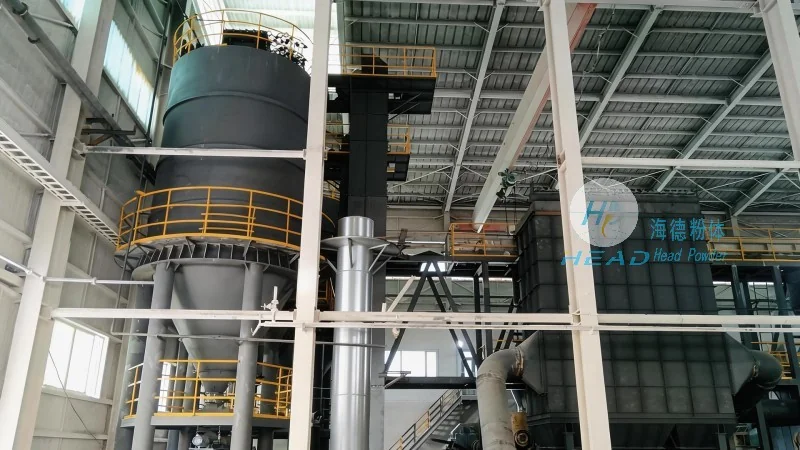
The company's facilities are located in Shandong, China, where it operates a state-of-the-art manufacturing plant equipped with advanced technology and skilled personnel. This allows HeadPowder to develop and produce high-quality equipment that is tailored to the specific needs of its clients. The company adheres to international quality standards and safety regulations, ensuring that all products meet the required specifications and are suitable for industrial use.
Contact Information and Location
For inquiries or further information about the arsenic trioxide pneumatic conveying line and other products offered by Shandong HeadPowder Engineering Co., Ltd., please contact the company at its headquarters in Shandong, China. The company's address is as follows:
Shandong HeadPowder Engineering Co., Ltd.
Address: [Company Address in Shandong, China]




