Alumina hydroxide powder, a critical material in diverse industrial sectors including ceramics, pharmaceuticals, and chemical manufacturing, requires efficient and reliable handling solutions to maintain product integrity and streamline production processes. The pneumatic conveying line for alumina hydroxide powder is a specialized system engineered to transport this fine powder from storage to processing or packaging areas with precision and minimal material loss. This article delves into the fundamental working principle and key characteristics of such a system, emphasizing its role in modern industrial operations.
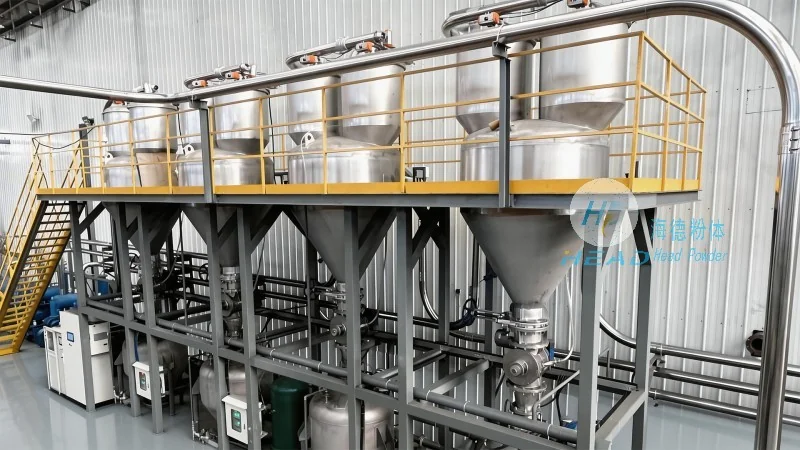
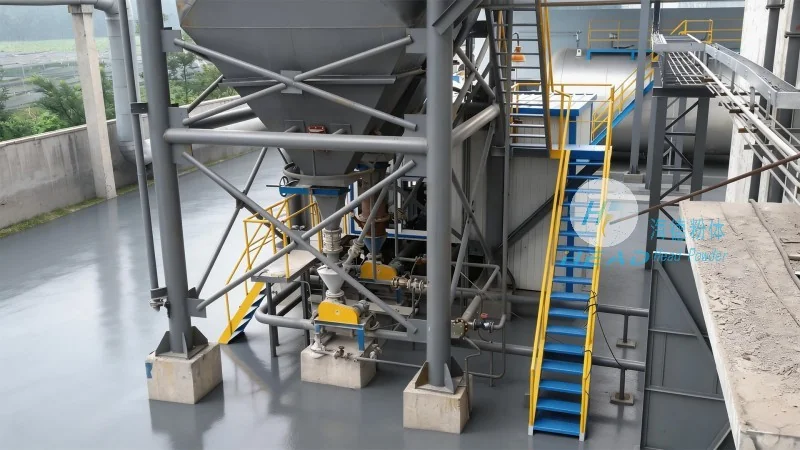
Working Principle of the Alumina Hydroxide Powder Pneumatic Conveying Line
The pneumatic conveying line operates on the principle of transporting solid particles, specifically alumina hydroxide powder, using a controlled gas stream. Two primary system types are employed: positive pressure (pressure-assisted) and negative pressure (vacuum-assisted). The positive pressure system utilizes a blower or compressor to generate pressurized air within the pipeline, which then propels the powder particles through the network. Conversely, the negative pressure system employs a vacuum pump to create a low-pressure environment that draws the powder into the line. For alumina hydroxide powder, which is typically fine and prone to dusting, the positive pressure system is commonly preferred due to its ability to maintain consistent flow rates and prevent material degradation. The system comprises several essential components: a hopper for material storage, a feeder to regulate powder discharge rate, a conveying pipeline network, and a receiver for discharged material. The feeder, often a rotary valve or screw feeder, ensures a steady supply of powder to the pipeline. The pipeline is constructed from corrosion-resistant materials like stainless steel to accommodate the chemical properties of alumina hydroxide. The air flow is regulated by a control valve and a filter to remove fine particles, preventing clogging and ensuring clean operation. The system maintains a consistent air-to-solid ratio, which is critical for efficient conveying. The working principle can be summarized as the use of a controlled gas flow to transport powder through the pipeline, with pressure or vacuum differential providing the necessary force. This method eliminates mechanical components like belts or buckets, reducing maintenance and enhancing operational efficiency.
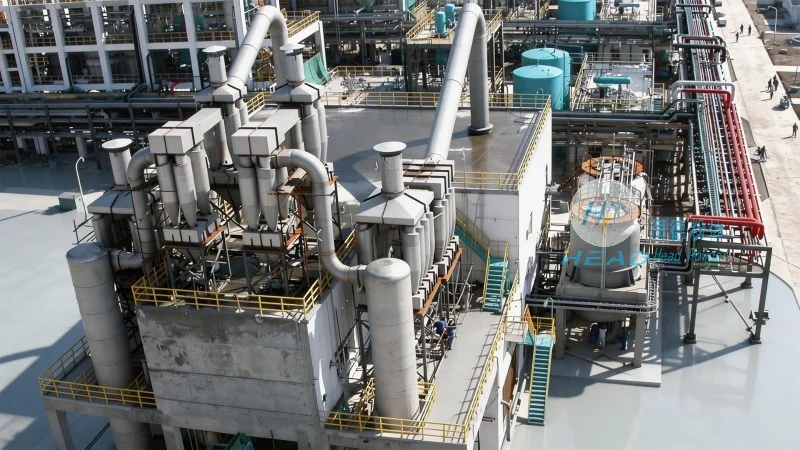
Key Features of the Alumina Hydroxide Powder Pneumatic Conveying Line
The pneumatic conveying line for alumina hydroxide powder offers several distinct advantages that make it a preferred solution for industrial applications. Firstly, it provides a fully enclosed system, which is vital for maintaining product purity and preventing dust contamination. This is particularly important for alumina hydroxide used in high-purity applications like pharmaceuticals or cosmetics. The enclosed design also enhances workplace safety by containing dust and reducing exposure risks. Secondly, the system delivers high efficiency and reliability. With proper design and maintenance, it can achieve continuous operation with minimal downtime, ensuring a steady supply of powder to downstream processes. The positive pressure system is known for its ability to handle high material volumes with consistent performance. Thirdly, the system offers layout flexibility. The pipeline can be arranged in various configurations, including vertical, horizontal, or a combination, to suit the specific industrial facility layout. This flexibility allows for easy integration into existing production lines without major structural modifications. Fourthly, the system is energy-efficient compared to traditional mechanical conveying methods. By using controlled air flow, it minimizes energy consumption while achieving high conveying rates. The use of corrosion-resistant materials in the pipeline also reduces long-term maintenance costs. Additionally, the system is easy to clean and maintain. The enclosed design enables thorough cleaning of the pipeline and components, preventing material buildup and ensuring consistent performance over time. The control system, which regulates air flow and feeder speed, is user-friendly and can be adjusted to accommodate changes in material flow rates or pipeline length. This adaptability makes the system suitable for a wide range of alumina hydroxide powder applications, from small-scale laboratory use to large-scale industrial production. Overall, the key features of the pneumatic conveying line for alumina hydroxide powder combine efficiency, safety, and flexibility, making it an ideal solution for modern industrial needs.
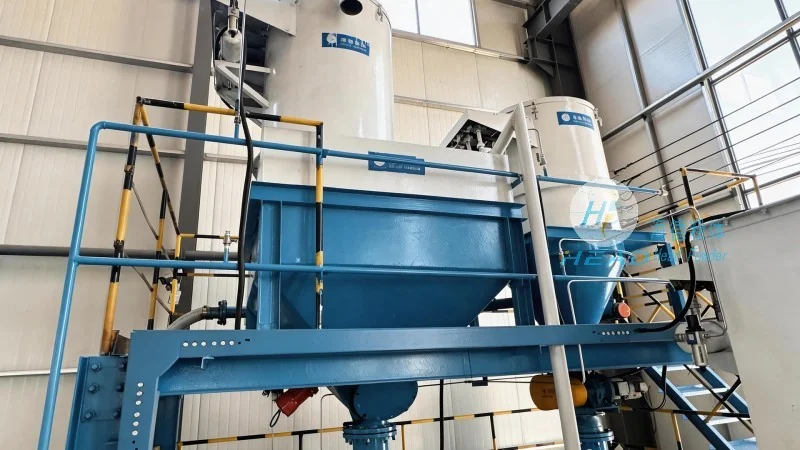
About Shandong HeadPowder Engineering Co., Ltd.
Shandong HeadPowder Engineering Co., Ltd., operating under the brand name headpowder, is a leading manufacturer and supplier of specialized material handling systems, including pneumatic conveying lines for various industrial powders. With a strong focus on innovation and quality, the company has established itself as a trusted partner in the industry. HeadPowder's expertise lies in designing and manufacturing customized pneumatic conveying solutions tailored to clients' specific requirements. The company's facilities are equipped with advanced technology and skilled personnel to ensure each system meets the highest standards. HeadPowder's commitment to customer satisfaction is evident in its comprehensive after-sales service, which includes installation, training, and maintenance support. The company's products are widely used in industries such as ceramics, pharmaceuticals, food processing, and chemical manufacturing, where reliable and efficient powder handling is essential. HeadPowder's dedication to quality and customer service has earned it a reputation for excellence in the market. By providing tailored solutions and maintaining strong client relationships, HeadPowder continues to be a key player in the material handling industry. The company's location in Shandong, China, allows it to leverage the region's industrial expertise and resources, ensuring it can deliver high-quality products to customers worldwide. HeadPowder's pneumatic conveying lines for alumina hydroxide powder exemplify the company's ability to meet the demanding needs of modern industrial applications.




