Shandong HeadPowder Engineering Co., Ltd., a leading enterprise in the field of powder processing technology, specializes in the design, manufacturing, and installation of advanced pneumatic conveying systems. This article focuses on the working principle and key features of a hydrogen chloride material pneumatic conveying system, highlighting the technical aspects and practical applications that make such systems efficient and reliable for handling hazardous and corrosive materials like hydrogen chloride.
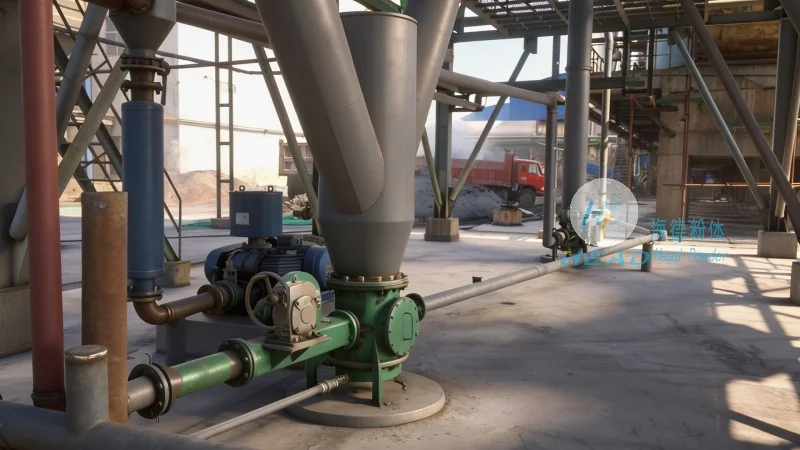
Working Principle of Hydrogen Chloride Pneumatic Conveying Systems
The core of a hydrogen chloride material pneumatic conveying system lies in its ability to transport the material through a pipeline using a gas stream, typically air or a combination of air and inert gases. The system operates on the principle of creating a pressure differential between the material source and the destination. Here’s a step-by-step breakdown of the process:
1. Material Loading: The hydrogen chloride powder is loaded into a hopper or feeder. The feeder then controls the flow rate of the material into the conveying line, ensuring a consistent and controlled feed.
2. Air Supply and Compression: A compressor or blower generates the necessary air pressure to create the conveying air stream. The air is then mixed with the material in the feeder or a dedicated mixing chamber, forming a slurry or a dense phase flow.
3. Conveying Through the Pipeline: The mixture of hydrogen chloride particles and air is transported through the pipeline. The pressure maintained in the system ensures that the material moves smoothly without clogging or degradation. The pipeline design, including bends and valves, is optimized to minimize pressure loss and maintain the material’s integrity.
4. Material Discharge: At the destination point, the system uses a receiver or a silo to collect the material. The air is then separated from the material, often through a cyclone or a filter, and is either recycled back into the system or vented safely.
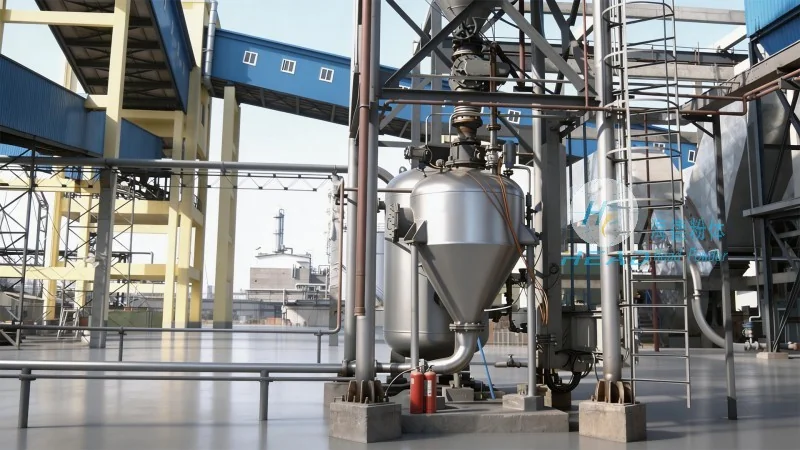
5. Control and Monitoring: Advanced control systems monitor parameters such as pressure, flow rate, and temperature to ensure the system operates within safe and efficient limits. Sensors and alarms are integrated to detect any anomalies and prevent accidents, especially when handling hazardous materials like hydrogen chloride.
Key Features of Hydrogen Chloride Pneumatic Conveying Systems
When evaluating a hydrogen chloride material pneumatic conveying system, several key features stand out, making them ideal for industrial applications:
1. Corrosion Resistance: The system components, including the hopper, feeder, and pipeline, are constructed from materials resistant to hydrogen chloride, such as stainless steel or specialized alloys. This ensures long-term durability and prevents material degradation or contamination.
2. Low Maintenance: Pneumatic conveying systems have fewer moving parts compared to mechanical conveyors, reducing the need for frequent maintenance and repairs. The simplicity of the design contributes to lower operational costs and higher system reliability.
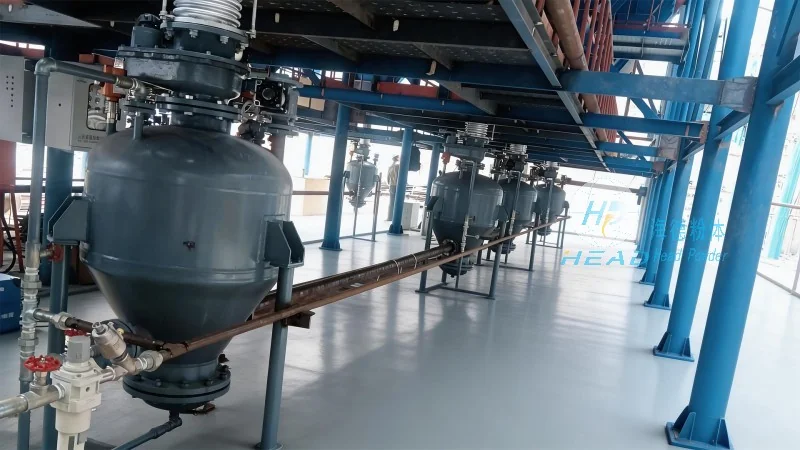
3. Efficient Material Handling: The system can handle a wide range of material characteristics, including fine powders and granules, with high efficiency. The ability to transport materials over long distances without the need for intermediate storage or handling points enhances overall process efficiency.
4. Safety and Environmental Protection: By using a closed system, the risk of material spillage or exposure to hazardous gases is minimized. The system also includes features like air filtration and recycling to reduce environmental impact and ensure compliance with safety regulations.
5. Customization and Scalability: Shandong HeadPowder Engineering Co., Ltd. offers customized solutions tailored to specific industrial needs. The systems can be scaled to handle varying material volumes and distances, making them suitable for both small-scale and large-scale operations.
Applications and Benefits in Industrial Settings
Hydrogen chloride material pneumatic conveying systems are widely used in various industries, including chemical manufacturing, pharmaceuticals, and food processing. The benefits of using such systems include improved process control, reduced labor costs, and enhanced safety. For example, in chemical plants, these systems are crucial for transporting hydrogen chloride from production units to storage or processing areas, ensuring a continuous and safe supply chain.
Moreover, the system’s ability to handle corrosive materials without compromising the environment makes it a preferred choice for industries where material purity and safety are paramount. The integration of advanced control technologies further enhances the system’s performance, allowing for real-time monitoring and adjustments to optimize efficiency and minimize downtime.




