

Working Principle and Features of Sugar Cane Pneumatic Conveying Equipment
For sugar processing industries, the efficient and reliable transportation of raw materials is crucial to the overall production efficiency. Among various conveying methods, the sugar cane pneumatic conveying machine has emerged as a highly effective solution, offering advantages in terms of operational flexibility, hygiene, and energy efficiency. This article delves into the working principle and key features of such equipment, providing insights into how it enhances the sugar production process.
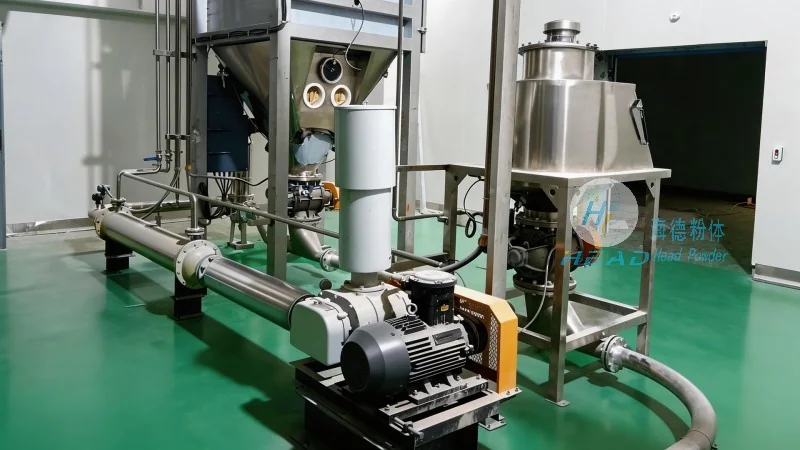
About Shandong HeadPowder Engineering Co., Ltd.
As a leading manufacturer in the field of powder and bulk material handling equipment, Shandong HeadPowder Engineering Co., Ltd. specializes in designing and manufacturing advanced pneumatic conveying systems tailored to the needs of the sugar industry. With a strong commitment to quality and innovation, the company has established itself as a trusted partner for sugar processing plants worldwide. HeadPowder's facilities are located in Shandong, China, where state-of-the-art technology and rigorous quality control ensure the production of reliable and durable conveying equipment.
Working Principle of Sugar Cane Pneumatic Conveying Machines
The core of a sugar cane pneumatic conveying system lies in its ability to transport bulk materials, such as sugar cane or its processed forms, through a pipeline using air or gas as the conveying medium. The working principle can be broadly categorized into two main types: dilute-phase and dense-phase pneumatic conveying. In dilute-phase systems, the material is suspended in a stream of air and transported at relatively high velocities, typically ranging from 20 to 30 meters per second. This method is suitable for short to medium distances and low to medium material loads. In contrast, dense-phase systems involve the material being conveyed in a more compact form, with air introduced at a lower velocity, often around 5 to 10 meters per second. This approach is ideal for longer distances and higher material loads, as it reduces the risk of material degradation and equipment wear.
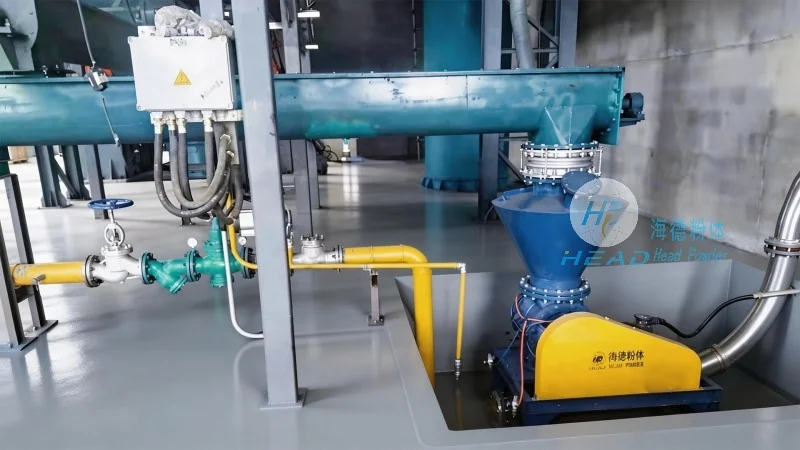
At the heart of the system is the air compressor, which generates the necessary pressure to move the material through the pipeline. The compressor draws in ambient air and compresses it to the required pressure level, typically ranging from 0.5 to 1.5 bar for dilute-phase systems and up to 3 bar for dense-phase systems. The compressed air then flows through the pipeline, carrying the sugar cane particles along. The conveying line is equipped with various components, including feeders, cyclones, and filters, which work together to ensure the smooth and efficient transport of the material. The feeder, often a rotary valve or a screw feeder, controls the flow rate of the sugar cane into the pipeline, while the cyclone separator separates the material from the air at the receiving end. The filter then cleans the air before it is discharged back into the environment, ensuring compliance with environmental regulations.
Key Features and Advantages of Sugar Cane Pneumatic Conveying Equipment
One of the primary advantages of sugar cane pneumatic conveying machines is their ability to maintain a clean and hygienic environment, which is essential in the sugar industry where product purity is paramount. Unlike traditional mechanical conveyors, which can cause contamination through contact with metal or other materials, pneumatic systems use enclosed pipelines, minimizing the risk of cross-contamination. This feature is particularly important when handling raw sugar cane or other food-grade materials.
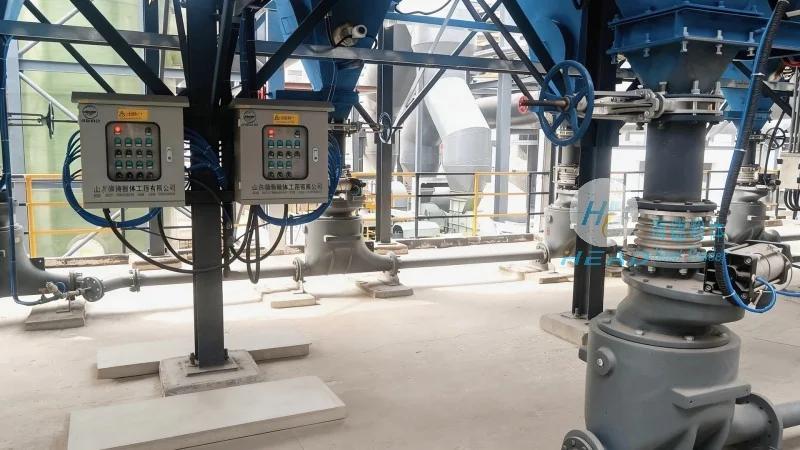
Another significant benefit is the high efficiency and flexibility in material handling. Pneumatic conveying systems can transport materials over long distances with minimal loss, and they can be easily adjusted to accommodate varying production rates. The system can handle a wide range of particle sizes and moisture contents, making it suitable for different stages of the sugar production process, from raw cane to refined sugar. Additionally, the equipment is relatively compact and can be integrated into existing production lines without significant modifications, reducing installation costs and downtime.
From an operational perspective, the sugar cane pneumatic conveying machine offers several advantages. The system is self-cleaning, as the air flow helps to prevent material buildup in the pipeline, reducing the need for frequent maintenance. The use of air as the conveying medium also eliminates the need for mechanical parts in contact with the material, such as belts or chains, which can wear out over time and require replacement. This results in lower maintenance costs and longer equipment lifespan. Furthermore, the system can be easily controlled and monitored, allowing operators to adjust the flow rate and pressure in real-time, ensuring optimal performance and preventing equipment overload.
Environmental Considerations and Compliance
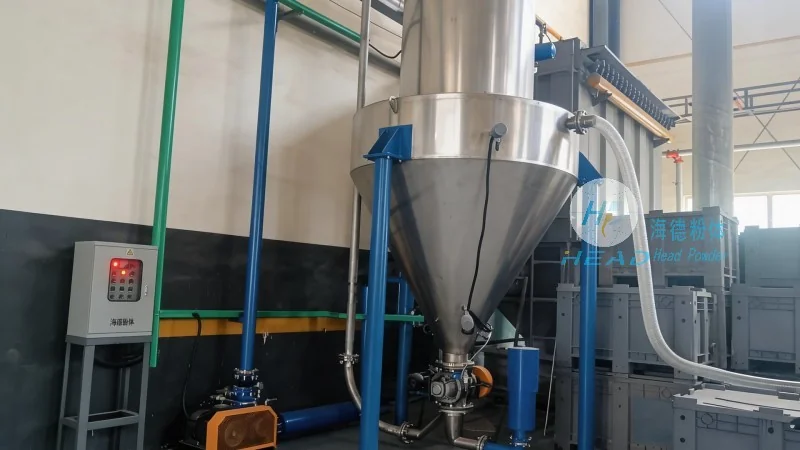
With increasing emphasis on environmental sustainability, the sugar cane pneumatic conveying machine is designed to meet stringent environmental regulations. The system incorporates advanced filtration and air treatment technologies to minimize the emission of dust and pollutants. The cyclone separator and filter effectively capture the majority of the material particles, ensuring that only clean air is released into the atmosphere. This not only complies with local environmental standards but also contributes to a cleaner working environment for the plant staff. Additionally, the energy efficiency of the system is optimized through the use of high-efficiency air compressors and variable speed drives, reducing energy consumption and operational costs.
Conclusion
In conclusion, the sugar cane pneumatic conveying machine is a vital component in modern sugar processing facilities, offering a reliable and efficient solution for material transportation. By understanding its working principle and leveraging its key features, sugar processing plants can enhance their production capabilities, improve product quality, and reduce operational costs. As a leading manufacturer, Shandong HeadPowder Engineering Co., Ltd. continues to innovate and provide advanced pneumatic conveying systems that meet the evolving needs of the sugar industry, ensuring sustainable and efficient production processes.