

What is a Sawdust and Husk Material Pneumatic Conveying Machine? What Are Its Design Principles?
For industries dealing with sawdust and husk materials, efficient material handling is crucial. A specialized piece of equipment, the sawdust and husk material pneumatic conveying machine, has emerged as a key solution. This article explores what this machine is and delves into its design principles, providing insights into how it operates and benefits the processing of these materials.
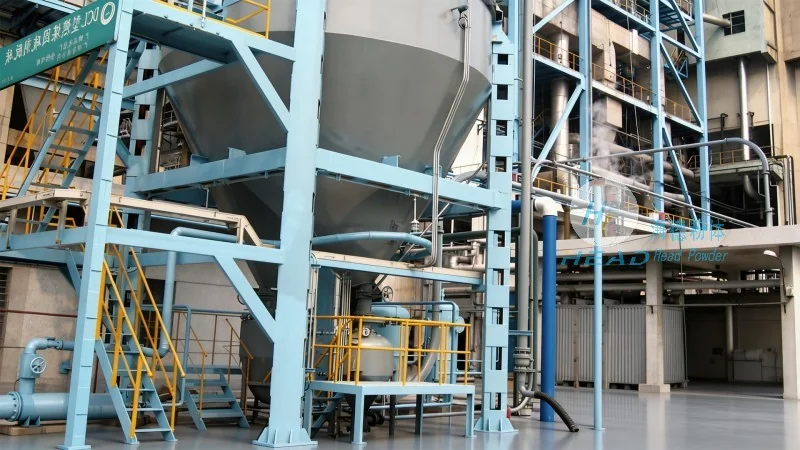
Understanding the Sawdust and Husk Material Pneumatic Conveying Machine
At the heart of many woodworking and agricultural processing operations lies the need to transport lightweight, fine materials like sawdust and husks. Traditional methods such as belts or buckets often struggle with these materials due to their low density and tendency to create dust or clumps. The sawdust and husk material pneumatic conveying machine addresses these challenges by using air to move materials, offering a clean, efficient, and low-maintenance solution. Manufactured by Shandong HeadPowder Engineering Co., Ltd., a leading company based in China, this equipment is designed to handle the unique characteristics of sawdust and husk materials, ensuring optimal performance in various industrial applications.
Key Features and Benefits of the Pneumatic Conveying System
The sawdust and husk material pneumatic conveying machine offers several advantages that make it a preferred choice for material handling. First, it provides a dust-free environment, which is essential for maintaining air quality and worker safety in facilities processing these materials. Second, the system minimizes material loss, as the enclosed design prevents spillage and reduces the risk of material degradation. Third, it offers flexibility in terms of layout, allowing for horizontal, vertical, or mixed-direction transport, adapting to the specific needs of different production lines. Additionally, the equipment is easy to maintain, with components that are accessible and replaceable, reducing downtime and operational costs. These features collectively enhance productivity and efficiency in the processing of sawdust and husk materials.
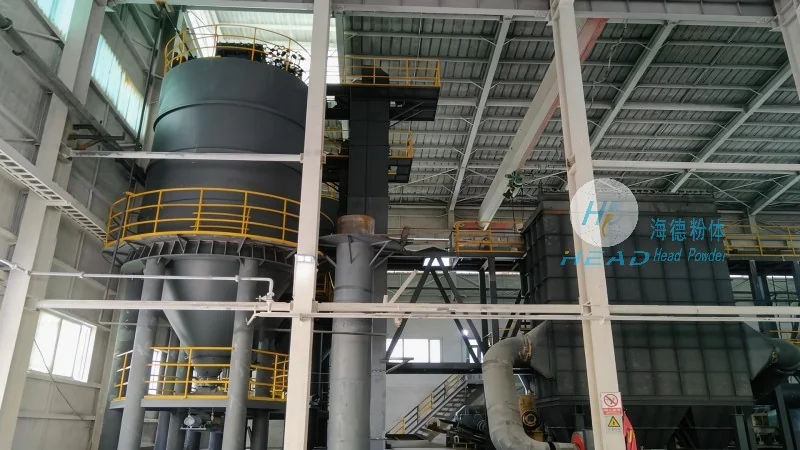
The Design Principles Behind the Pneumatic Conveying Machine
The design of the sawdust and husk material pneumatic conveying machine is based on the fundamental principles of pneumatic transport. The system operates by creating a pressure differential between the intake and discharge points, using compressed air to move the material through a pipeline. The key components of the machine include the material feeder, which introduces the sawdust or husk into the system; the air compressor, which provides the necessary pressure; the conveying line, which transports the material; and the separator, which separates the material from the air at the end of the line. The material feeder is designed to handle the low bulk density of sawdust and husk, ensuring consistent feeding without blockages. The air compressor is selected based on the required flow rate and pressure, matching the material's properties to achieve efficient transport. The conveying line is typically made of durable materials like stainless steel or plastic, resistant to corrosion and wear from the abrasive nature of these materials. The separator, often a cyclone or bag filter, effectively removes the material from the air stream, allowing the air to be recirculated or vented, depending on the application. The integration of these components, tailored to the specific characteristics of sawdust and husk, ensures the machine operates efficiently and reliably.
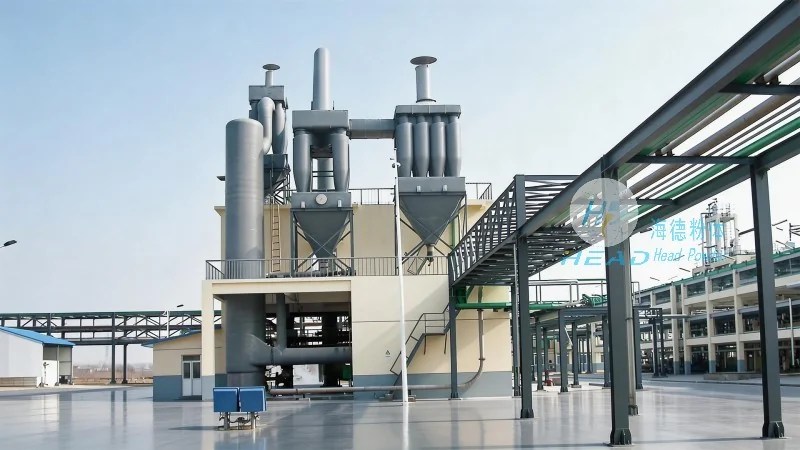
Applications and Industries Served
The sawdust and husk material pneumatic conveying machine is widely used in various industries that process sawdust and husk materials. In the woodworking industry, it is used to transport sawdust from cutting and planing operations to storage or further processing units. In the agricultural sector, it handles husk from crops like corn or rice, transporting it to storage facilities or processing plants. Additionally, it is utilized in biomass energy production, where sawdust and husk are used as fuel for power generation. The machine's ability to handle fine, lightweight materials makes it ideal for these applications, where traditional methods may be inefficient or impractical. By providing a reliable and efficient means of material transport, the machine supports the smooth operation of production lines and enhances overall productivity in these industries.
Conclusion and Company Overview
In summary, the sawdust and husk material pneumatic conveying machine is a sophisticated piece of equipment designed to efficiently handle lightweight, fine materials like sawdust and husk. Its design principles, based on pneumatic transport technology, offer numerous benefits including dust-free operation, minimal material loss, and flexibility in layout. Manufactured by Shandong HeadPowder Engineering Co., Ltd., a reputable company based in China, this equipment is engineered to meet the specific needs of industries processing sawdust and husk materials. By understanding the design and functionality of this machine, businesses can improve their material handling processes, reduce costs, and enhance overall operational efficiency. For companies seeking reliable solutions for transporting sawdust and husk materials, the pneumatic conveying machine from Shandong HeadPowder Engineering Co., Ltd. stands as a trusted choice.