

What is a Pneumatic Conveying System for Metal Aluminum Powder? And What Are Its Design Principles?
For industries dealing with metal aluminum powder, efficient and reliable material handling is crucial. A pneumatic conveying system specifically designed for metal aluminum powder plays a vital role in ensuring smooth production processes. This article, presented by Shandong HeadPowder Engineering Co., Ltd. (headpowder), will explore what such a system is and delve into its core design principles.
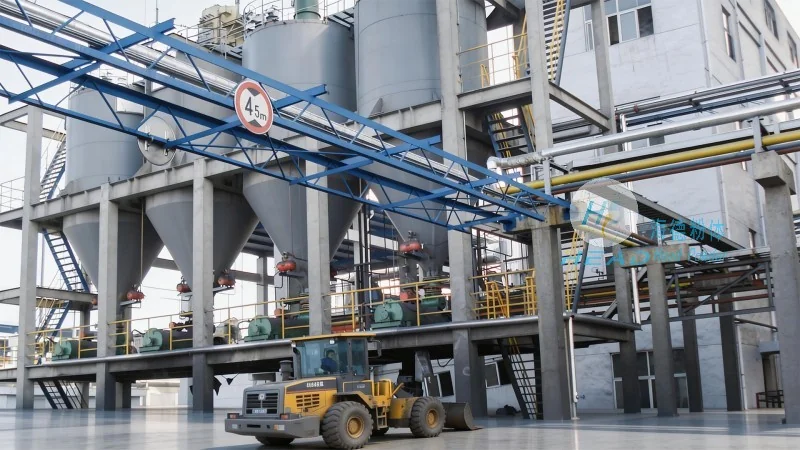
Pneumatic Conveying System for Metal Aluminum Powder: An Overview
A pneumatic conveying system for metal aluminum powder is a mechanical system that uses air or other gases to transport aluminum powder particles from one location to another. Unlike traditional mechanical conveyors, this system relies on the force of compressed air to move the material through a pipeline. The system typically consists of a hopper, a blower or compressor, a pipeline network, and a receiving hopper or silo. The hopper holds the aluminum powder, and the blower generates the necessary air pressure to move the powder through the pipeline. The pipeline network transports the powder to the destination, where it is collected in the receiving hopper.
Design Principles of Metal Aluminum Powder Pneumatic Conveying Systems
The design of a pneumatic conveying system for metal aluminum powder must consider several key factors to ensure optimal performance and safety. These principles are tailored to the unique properties of aluminum powder, such as its fine particle size, low density, and potential for dust explosion hazards. The following are the primary design considerations:
1. Material Characteristics and Flow Behavior
Aluminum powder has specific physical properties that influence the design of the conveying system. For instance, the powder's fine particle size (often in the range of 10 to 200 microns) can lead to issues like caking, agglomeration, and blockages in the pipeline. To address this, the system design must include features like vibration or agitation mechanisms to prevent material buildup. Additionally, the low bulk density of aluminum powder (typically around 0.5 to 1.0 g/cm³) requires higher air velocities and larger pipelines to maintain consistent flow rates. The design must also account for the powder's reactivity with air, as aluminum is pyrophoric and can ignite if exposed to oxygen. Therefore, the system must incorporate explosion-proof components and proper ventilation to mitigate fire and explosion risks.
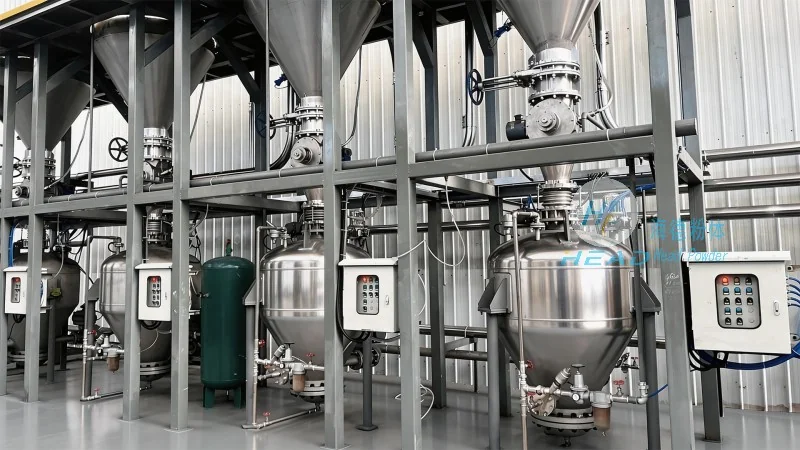
2. Type of Pneumatic Conveying: Dilute Phase vs. Dense Phase
There are two main types of pneumatic conveying systems used for metal aluminum powder: dilute phase and dense phase. The choice between these two depends on the material's characteristics and the distance to be conveyed.
Dilute Phase Pneumatic Conveying operates at relatively high air velocities (typically 20 to 30 m/s) and low gas-to-solid ratios (air volume to powder volume). This method is suitable for short to medium distances (up to a few hundred meters) and for materials that are free-flowing and non-abrasive. In dilute phase systems, the powder is suspended in the air stream and transported through the pipeline. However, for aluminum powder, which can be abrasive and prone to dust, dilute phase systems may require more robust pipeline materials and filtration to prevent wear and contamination.
Dense Phase Pneumatic Conveying operates at lower air velocities (typically 5 to 15 m/s) and higher gas-to-solid ratios. This method is ideal for longer distances (up to several kilometers) and for materials that are cohesive or have a higher tendency to clog. In dense phase systems, the powder is transported in a plug flow, where the material forms a solid plug that moves through the pipeline with the air. This reduces the risk of particle separation and blockages, making it more suitable for aluminum powder, which can be prone to agglomeration. The design of dense phase systems often includes pressure vessels or pulse-jet systems to maintain consistent pressure and flow.
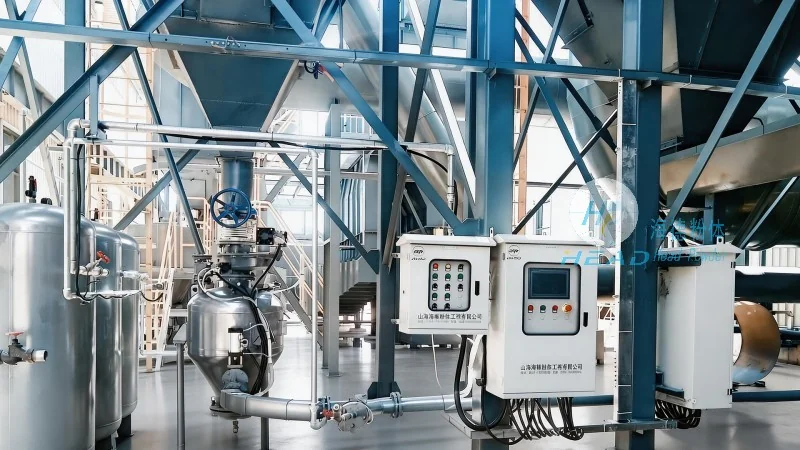
3. Pipeline Design and Material Selection
The pipeline system is a critical component of the pneumatic conveying system. The design must consider the material's abrasiveness and the need for explosion protection. For aluminum powder, which can be abrasive, the pipeline is typically made of materials such as stainless steel, polyethylene, or special alloys that can withstand wear and corrosion. The pipeline diameter is chosen based on the required flow rate and air velocity. For example, a larger diameter pipeline is needed for higher flow rates to maintain a consistent air-to-solid ratio and prevent excessive pressure drop. The pipeline must also be properly supported and secured to avoid sagging or vibration-induced damage.
4. Blower and Compressor Selection
The blower or compressor is the heart of the pneumatic conveying system, responsible for generating the necessary air pressure and volume to move the aluminum powder. The selection of the blower depends on the system's operating pressure and flow rate requirements. For dilute phase systems, a centrifugal blower is commonly used due to its high airflow capacity and efficiency. For dense phase systems, a positive displacement blower or a rotary lobe blower may be preferred, as they can provide higher pressure and more consistent flow. The blower must be explosion-proof to handle the flammable nature of aluminum powder and must be equipped with safety features such as pressure relief valves and temperature sensors.
5. Hopper and Feeder Design
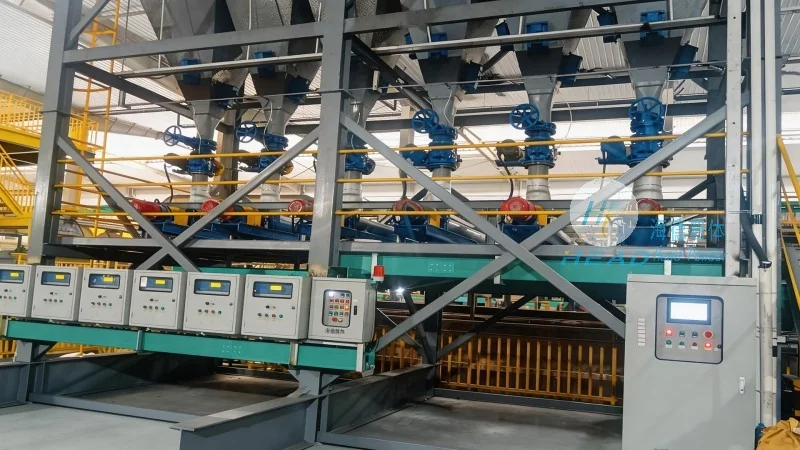
The hopper and feeder are responsible for feeding the aluminum powder into the pipeline at a controlled rate. The hopper design must prevent material buildup and ensure uniform feeding. For aluminum powder, which can be cohesive, the hopper may include features like a cone or a vibratory feeder to prevent caking and ensure smooth material flow. The feeder is typically a rotary valve or a screw feeder that regulates the flow rate of the powder into the pipeline. The design must ensure that the powder is introduced into the pipeline without creating excessive pressure surges or air turbulence, which could lead to particle separation or blockages.
6. Filtration and Dust Collection
Since aluminum powder is a fine particulate material, the pneumatic conveying system must include a filtration system to capture any escaped powder and prevent contamination of the environment. The filtration system typically consists of a cyclone separator and a bag filter or cartridge filter. The cyclone separator removes larger particles from the air stream, while the bag filter captures fine dust particles. The design of the filtration system must be capable of handling the abrasive nature of aluminum powder and must be equipped with cleaning mechanisms to maintain efficiency. The collected powder is then returned to the hopper or disposed of as per safety regulations.
7. Safety and Compliance
Given the hazardous nature of aluminum powder (pyrophoric and potentially explosive), the design of the pneumatic conveying system must adhere to strict safety standards. The system must include explosion-proof components, such as the blower, motor, and electrical controls. It must also be equipped with safety features like pressure relief valves, flame arrestors, and temperature sensors to detect and mitigate fire or explosion risks. The system must comply with local and international safety regulations, such as the European Union's ATEX directive or the U.S. Occupational Safety and Health Administration (OSHA) standards. Regular maintenance and inspection are also critical to ensure the system operates safely and efficiently.
Conclusion
A pneumatic conveying system for metal aluminum powder is a sophisticated piece of equipment that requires careful design and consideration of the material's unique properties. The design principles outlined above, including material characteristics, type of conveying, pipeline design, blower selection, hopper and feeder design, filtration, and safety compliance, are essential for ensuring the system's performance, reliability, and safety. By adhering to these principles, manufacturers can develop a pneumatic conveying system that efficiently handles aluminum powder while minimizing risks and maximizing productivity.