

What is a Soybean Material Pneumatic Conveying Machine? And What Are Its Design Principles?
For those in the agricultural processing industry, especially those dealing with soybean handling and transportation, understanding the role of pneumatic conveying systems is crucial. A soybean material pneumatic conveying machine is a specialized piece of equipment designed to transport soybean particles through a pipeline using air pressure. This method offers advantages such as efficiency, cleanliness, and the ability to handle a wide range of soybean products without the need for mechanical contact.
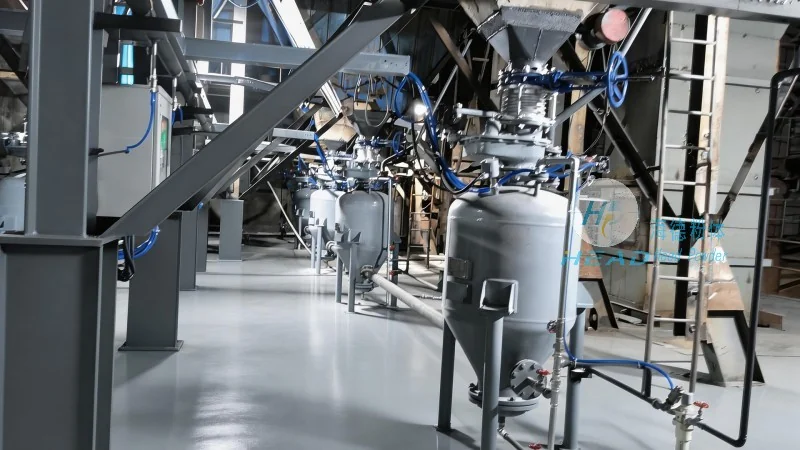
Design Principles of Pneumatic Conveying Systems
The design of a soybean material pneumatic conveying machine is based on fundamental principles of fluid dynamics and material handling. The core components include a hopper for material storage, a blower or compressor to generate the air flow, a pipeline system to transport the material, and a discharge point where the soybean is deposited. The system operates by creating a pressure differential: the blower draws air into the system and then forces it through the pipeline, carrying the soybean particles along with it. The design must consider factors like soybean particle size, moisture content, and the desired conveying distance to ensure optimal performance.
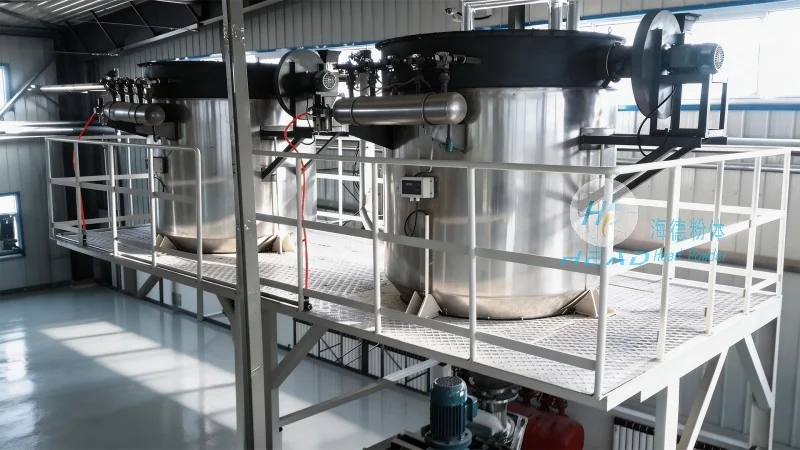
Key Components and Their Functions
Each component of the pneumatic conveying machine plays a vital role in the overall operation. The hopper, typically made of stainless steel or other corrosion-resistant materials, holds the soybean and feeds it into the system. The blower or compressor provides the necessary air pressure, with options ranging from positive displacement blowers to centrifugal compressors depending on the application. The pipeline system is designed to minimize pressure loss and ensure smooth flow, often using smooth, round pipes to prevent particle buildup. The discharge point, such as a silo or processing unit, collects the soybean at the end of the conveying line. Additionally, some systems include filters and cyclones to separate air from the material, ensuring the air is clean and the soybean remains intact.
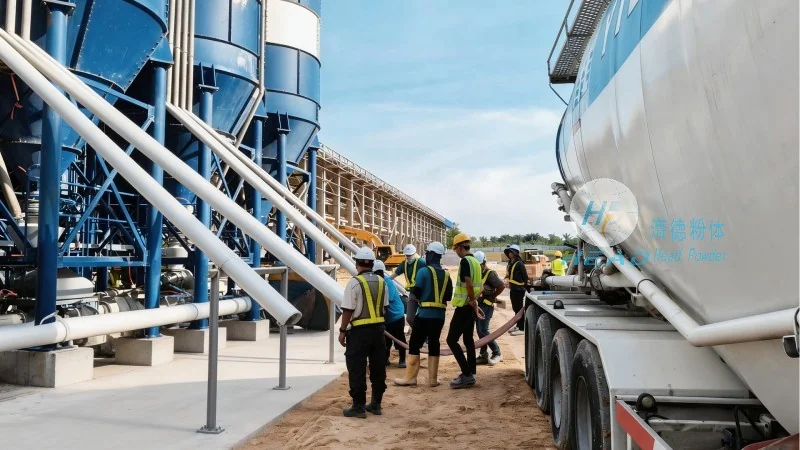
Advantages of Using Pneumatic Conveying for Soybeans
Compared to traditional mechanical conveyors like belt or screw conveyors, pneumatic conveying offers several benefits for soybean handling. First, it provides a completely enclosed system, which helps maintain product quality by preventing contamination from dust, moisture, or other environmental factors. Second, it is highly efficient in terms of energy use, as the air flow can be precisely controlled to match the conveying requirements. Third, the system is flexible and can be easily modified or expanded to accommodate changes in production volume or processing needs. Fourth, it reduces labor costs by automating the material transport process, allowing for continuous operation without the need for manual intervention. These advantages make pneumatic conveying an attractive option for soybean processors looking to improve their operational efficiency and product quality.
Applications in Soybean Processing
Soybean material pneumatic conveying machines are widely used in various stages of soybean processing. In the initial stages, they can transport raw soybeans from storage bins to processing equipment like hullers or dehullers. During the processing phase, they may be used to move soybean meal or oil products between different processing units. In the final stages, they can convey finished products to packaging or storage facilities. The versatility of the system allows it to be integrated into existing processing lines or used as a standalone solution for specific conveying tasks. For example, in a soybean oil extraction plant, a pneumatic conveying system can efficiently transport soybean flakes from the pre-pressing stage to the solvent extraction unit, ensuring a smooth and continuous production flow.
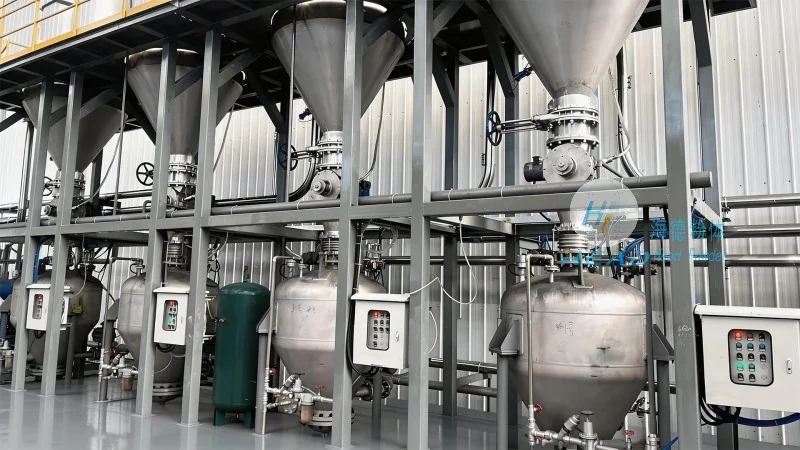
Considerations for Design and Installation
When designing and installing a soybean material pneumatic conveying system, several factors must be carefully considered to ensure optimal performance and longevity. First, the material of construction is critical, as soybeans can be corrosive or abrasive. Stainless steel is commonly used for the hopper and pipeline to resist corrosion and wear. Second, the system must be designed to handle the specific properties of soybean particles, such as their size distribution and moisture content. This may involve selecting the appropriate blower type and adjusting the air flow rate to prevent clogging or excessive pressure loss. Third, the conveying distance and elevation changes must be accounted for, as these affect the required air pressure and power consumption. Fourth, maintenance considerations are important, as regular cleaning and inspection of the system are necessary to prevent material buildup and ensure reliable operation. Proper design and installation by experienced engineers, such as those from Shandong HeadPowder Engineering Co., Ltd., based in China, can help minimize operational issues and maximize the system's lifespan.