

What is a Coal and Sand Material Pneumatic Conveyor? What are its Design Principles?
For industrial operations dealing with coal and sand materials, efficient material handling is crucial. The coal and sand material pneumatic conveyor, also known as a pneumatic conveying system, is a specialized equipment designed to transport bulk materials like coal and sand through an air stream. This article explores the functionality and design principles of such conveyors, highlighting their importance in modern material handling processes.
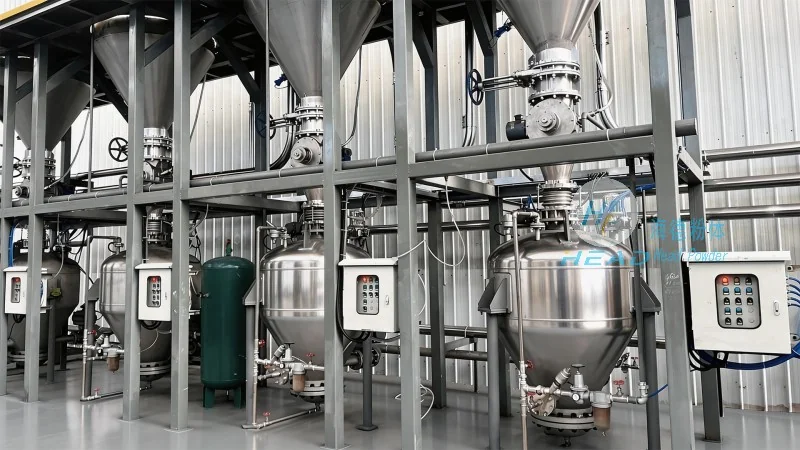
Introduction to Coal and Sand Material Pneumatic Conveyors
Coal and sand material pneumatic conveyors are essential equipment in industries that process bulk solid materials. These systems utilize air or gas to transport materials from one location to another, eliminating the need for mechanical components like belts or buckets. The primary goal is to achieve efficient, low-maintenance, and reliable material transport, especially in environments where traditional methods may be impractical or inefficient.
HeadPowder Engineering: Expert in Pneumatic Conveying Solutions
Shandong HeadPowder Engineering Co., Ltd. is a leading manufacturer and supplier of advanced material handling equipment, specializing in pneumatic conveying systems for various industrial applications. With a focus on innovation and quality, HeadPowder provides tailored solutions that meet the specific needs of clients handling coal and sand materials. The company's expertise lies in designing and manufacturing conveyors that ensure optimal performance, durability, and safety in demanding industrial settings.
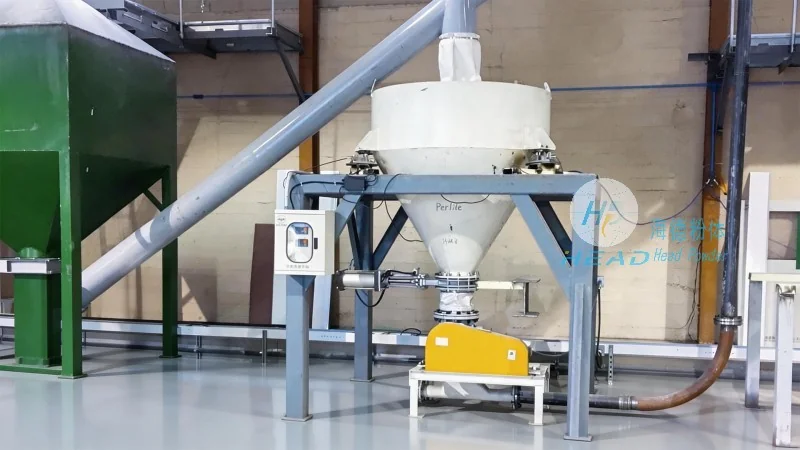
Design Principles of Coal and Sand Material Pneumatic Conveyors
The design of a coal and sand material pneumatic conveyor is based on several key principles to ensure effective material transport. The most critical principle is the use of an air stream to create a pressure differential that moves the material. This involves a combination of positive and negative pressure systems, depending on the application. The system typically includes a hopper for material storage, a feeder to control the material flow, a conveying line where the material is transported, and a receiver for the discharged material.
One of the key design considerations is the selection of the appropriate air velocity and pressure. The air velocity must be high enough to lift and transport the material particles but not so high as to cause excessive wear or energy consumption. The pressure system can be either positive (where the conveying line is under pressure) or negative (where the line is under vacuum). The choice depends on factors such as the material's properties, the distance to be conveyed, and the system's overall efficiency.
Components and Working Mechanism
A typical coal and sand material pneumatic conveyor consists of several key components that work in tandem to achieve efficient material transport. The main components include:
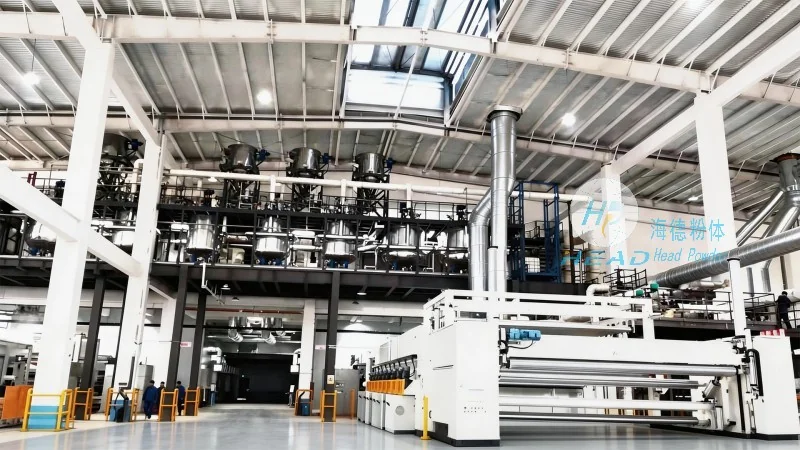
- Material Hopper: A container that holds the coal or sand material, providing a consistent feed to the system.
- Feeder: A device that controls the flow of material from the hopper into the conveying line, ensuring a steady and controlled feed rate.
- Conveying Line: The pipe or duct through which the material is transported, often made of durable materials like stainless steel or plastic to withstand the abrasive nature of coal and sand.
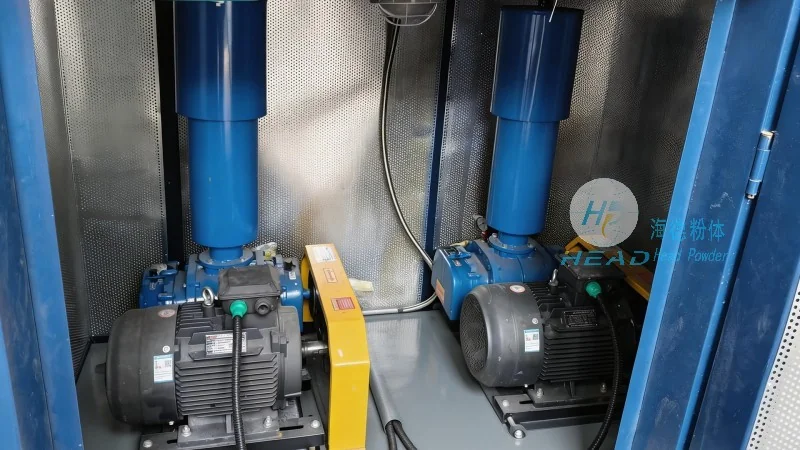
- Blower or Vacuum Pump: The power source that generates the air stream, either by blowing air into the line (positive pressure) or creating a vacuum (negative pressure).
- Receiver: A container at the end of the conveying line that collects the discharged material, completing the transport process.
The working mechanism involves the feeder releasing material into the conveying line, where it is entrained by the air stream. The air flow carries the material particles through the line to the receiver. The design ensures that the material is transported without clogging or excessive wear, maintaining the integrity of the system.
Advantages of Coal and Sand Material Pneumatic Conveyors
Using a coal and sand material pneumatic conveyor offers several advantages over traditional material handling methods. These include:
- Efficiency and Speed: The system can transport materials over long distances quickly and efficiently, reducing handling time and increasing productivity.
- Low Maintenance: With fewer mechanical parts, the system requires less maintenance compared to traditional conveyors, leading to lower operational costs.
- Clean and Hygienic: The enclosed system prevents dust and material contamination, making it suitable for applications where cleanliness is critical.
- Flexibility: The system can be easily modified or expanded to accommodate changes in material volume or processing requirements.
- Reduced Labor Costs: Automated operation reduces the need for manual labor, improving safety and reducing labor-related expenses.
Applications in Coal and Sand Processing
Coal and sand material pneumatic conveyors are widely used in various industrial applications, particularly in the mining, construction, and energy sectors. Some common applications include:
- Coal Handling: Transporting coal from storage facilities to processing plants or power stations, ensuring a continuous supply of fuel.
- Sand Transport: Moving sand from quarries or storage areas to construction sites or manufacturing facilities, supporting construction and industrial production.
- Industrial Bulk Material Handling: Handling other bulk materials like minerals, grains, or powders that require efficient and reliable transport.
In these applications, the pneumatic conveyor provides a reliable and efficient solution for material transport, contributing to improved operational efficiency and reduced costs.
Conclusion
Coal and sand material pneumatic conveyors are essential equipment for industries dealing with bulk solid materials. Their design, based on principles of air flow and material entrainment, offers efficient and reliable transport solutions. With companies like Shandong HeadPowder Engineering Co., Ltd. leading the way in manufacturing advanced pneumatic conveying systems, industries can benefit from improved productivity, reduced maintenance, and enhanced operational efficiency. The continued development and application of such systems will play a vital role in meeting the growing demands for efficient material handling in various industrial sectors.