For industries dealing with bulk materials, efficient and reliable material handling is crucial. Among the various technologies available, polyethylene pneumatic conveying systems stand out as a versatile solution for transporting powders and granules. This article delves into the equipment that constitutes such a system and the underlying design principles that ensure optimal performance. By exploring the components, operational mechanisms, and engineering considerations, we aim to provide a comprehensive understanding of how these systems function and why they are preferred in modern material handling applications.
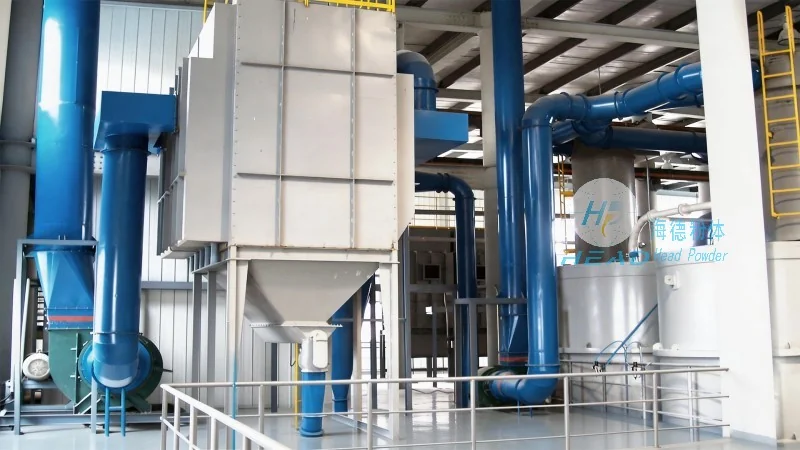
Key Components of a Polyethylene Pneumatic Conveying System
The polyethylene pneumatic conveying system is composed of several critical components that work in tandem to achieve effective material transport. The primary elements include the hopper or feeder, which serves as the initial point of material intake. This component is designed to feed the material into the system at a controlled rate, ensuring a consistent flow. The hopper is often equipped with a valve mechanism to regulate the discharge of material, preventing blockages and maintaining system efficiency.
Next in the system is the conveying line, which is typically made from polyethylene tubing. This material choice is deliberate, as polyethylene offers excellent resistance to corrosion, abrasion, and chemical exposure, making it ideal for handling a wide range of materials. The tubing is usually flexible, allowing for easy installation in various layouts, and can be configured in different configurations such as straight-line, loop, or vertical systems. The diameter and length of the conveying line are critical design factors that influence the system's capacity and pressure requirements.
At the receiving end, the system includes a receiver or silo, which collects the conveyed material. This component is often equipped with a discharge valve or outlet to allow for the controlled release of material to downstream processes. The receiver may also include a dust collection system to prevent material loss and maintain air quality. Additionally, the system may incorporate a filter or separator to remove any fine particles from the air before it is discharged back into the environment or recirculated.
Another essential component is the air supply unit, which provides the necessary pressure and volume of air to move the material through the conveying line. This unit typically includes a blower or compressor, a filter to remove contaminants from the air, and a control valve to regulate the air flow. The air supply system is designed to maintain the required pressure differential between the hopper and the receiver, ensuring that material is continuously transported without interruption.
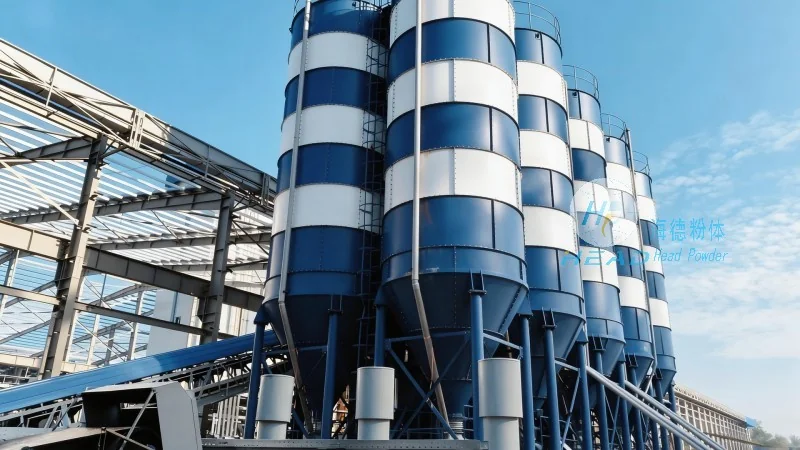
Finally, the system may include auxiliary equipment such as a vacuum pump or pressure regulator, depending on the specific application and the type of conveying system (e.g., pressure or vacuum). These components help in fine-tuning the system's performance and ensuring that it operates within the optimal parameters.
Design Principles for Optimal Performance
The design of a polyethylene pneumatic conveying system is guided by several key principles aimed at maximizing efficiency, reliability, and safety. The first principle is the selection of appropriate materials for the conveying line and components. Polyethylene is chosen for its durability and resistance to various environmental factors, ensuring long-term performance and minimal maintenance. The system's design also considers the properties of the material being conveyed, such as particle size, density, and moisture content, as these factors influence the air velocity and pressure required for effective transport.
Another critical design principle is the calculation of the required air velocity and pressure. The air velocity must be sufficient to lift and transport the material particles through the conveying line without causing excessive wear or degradation of the material. The pressure differential between the hopper and the receiver is calculated based on the height of the conveying line, the friction losses in the tubing, and the specific gravity of the material. Proper calculation of these parameters ensures that the system operates at the optimal pressure, minimizing energy consumption and maximizing throughput.
The system's layout and configuration are also important design considerations. The arrangement of the hopper, conveying line, and receiver can significantly impact the system's performance. For example, a vertical conveying system may be more suitable for short distances and high material loads, while a horizontal system is better for longer distances and lower loads. The design also takes into account the space constraints and the existing infrastructure of the facility, ensuring that the system can be integrated seamlessly without requiring extensive modifications.
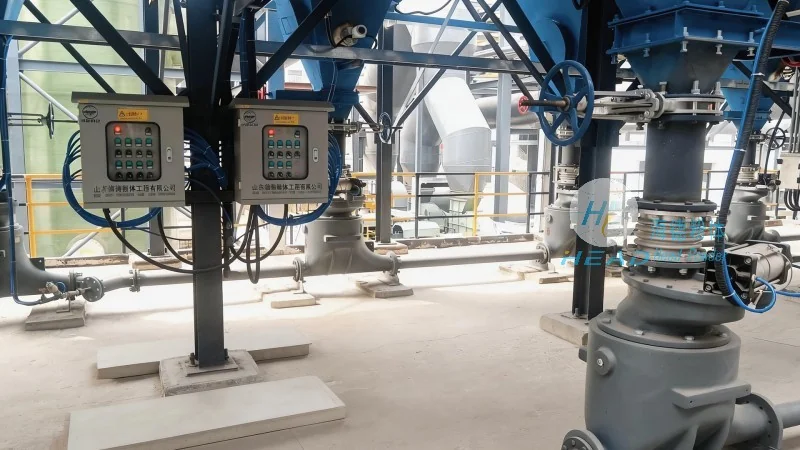
Furthermore, the system's control and monitoring features are integral to its design. Modern polyethylene pneumatic conveying systems often include automated controls that monitor the material flow, air pressure, and system performance. These controls help in detecting any abnormalities or inefficiencies and can automatically adjust the system parameters to maintain optimal operation. The inclusion of safety features, such as pressure relief valves and emergency shut-off mechanisms, is also a critical design consideration to ensure the safety of the operators and the integrity of the system.
Applications and Benefits of Polyethylene Pneumatic Conveying Systems
Polyethylene pneumatic conveying systems find applications in a wide range of industries, including pharmaceuticals, food processing, chemical manufacturing, and mining. The versatility of these systems allows them to handle various materials, from fine powders to coarse granules, and from dry to slightly moist materials. The benefits of using such systems include improved material handling efficiency, reduced labor costs, and enhanced safety compared to traditional methods like manual handling or mechanical conveyors.
One of the key advantages of polyethylene pneumatic conveying systems is their ability to transport materials in a closed system, minimizing dust exposure and environmental contamination. This is particularly important in industries where material purity and air quality are critical, such as pharmaceuticals and food processing. The closed system also helps in maintaining the integrity of the material, preventing contamination and degradation during transport.
Another benefit is the flexibility of the system, which allows for easy integration with existing production lines and equipment. The modular design of the system enables quick installation and modification, reducing downtime and increasing productivity. Additionally, the system's low maintenance requirements and long service life make it a cost-effective solution for material handling over the long term.
In conclusion, polyethylene pneumatic conveying systems represent a sophisticated and efficient solution for bulk material transport. The combination of durable polyethylene components, optimized design principles, and advanced control systems ensures that these systems deliver reliable performance and meet the demanding requirements of modern industrial applications. By understanding the equipment and design principles involved, industries can make informed decisions about implementing such systems to enhance their material handling capabilities and overall operational efficiency.




