For manufacturers in the soap and detergent industry, the efficient and hygienic handling of soap granules is a critical operational challenge. Traditional methods such as belt conveyors or manual handling often lead to contamination risks, material degradation, and increased labor costs. This is where pneumatic conveying technology emerges as a superior solution, offering a clean, efficient, and reliable method to transport soap granules from production lines to storage or packaging areas. This article delves into the principles, advantages, and practical applications of pneumatic conveying systems tailored for soap granule handling, highlighting how companies like Shandong HeadPowder Engineering Co., Ltd. leverage this technology to enhance operational efficiency.
Pneumatic Conveying: How It Works
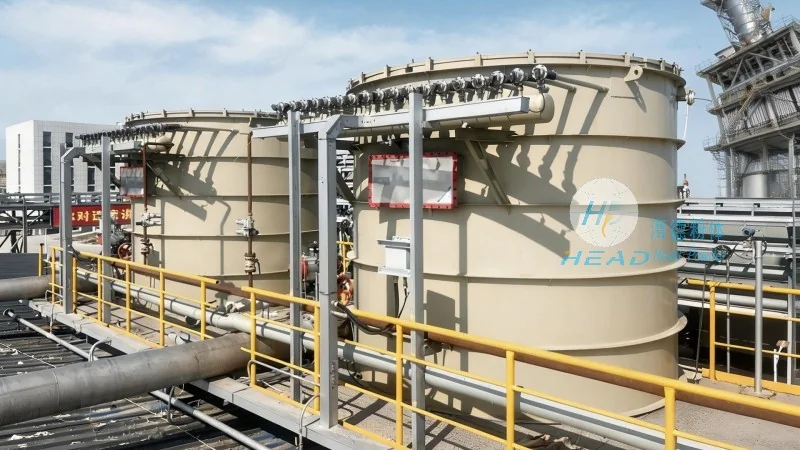
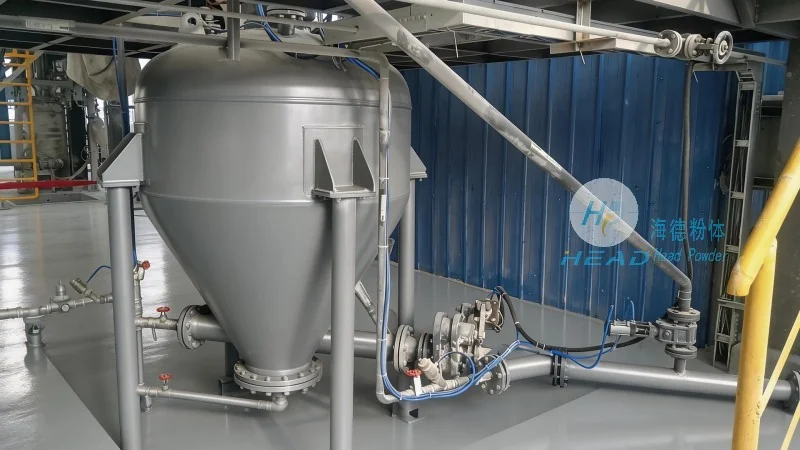
Pneumatic conveying systems utilize air or gas to transport bulk materials like soap granules through a network of pipes. The process typically involves a combination of positive pressure (where air is forced into the system) or negative pressure (where air is drawn out), depending on the system design and material characteristics. In the case of soap granules, which are often fine and hygroscopic, a positive pressure system is commonly preferred to prevent material degradation and maintain product quality. The system includes key components such as a hopper for material storage, a feeder to control the flow rate, a conveying line, and a receiver for the material's final destination. The air flow is managed by a blower or compressor, ensuring consistent pressure and flow rates to maintain the material's movement without causing excessive wear or degradation.
Key Advantages of Pneumatic Conveying for Soap Granule Handling
When compared to traditional mechanical conveyors, pneumatic conveying offers several distinct advantages that make it ideal for soap granule applications. Firstly, it provides a completely enclosed system, which eliminates the risk of dust contamination and cross-contamination between different product batches. This is particularly important in the soap industry, where product purity and hygiene are paramount. Secondly, the system is highly flexible, allowing for vertical, horizontal, or inclined transport, and can be easily integrated into existing production lines without major structural modifications. Thirdly, pneumatic conveying reduces labor costs by automating the material handling process, minimizing the need for manual intervention and associated risks. Additionally, the system's ability to handle fine particles and maintain product integrity makes it suitable for sensitive materials like soap granules, which can be easily damaged by mechanical abrasion. Finally, the enclosed design contributes to a cleaner working environment, reducing dust accumulation and improving overall workplace safety.
Applications in the Soap Manufacturing Process
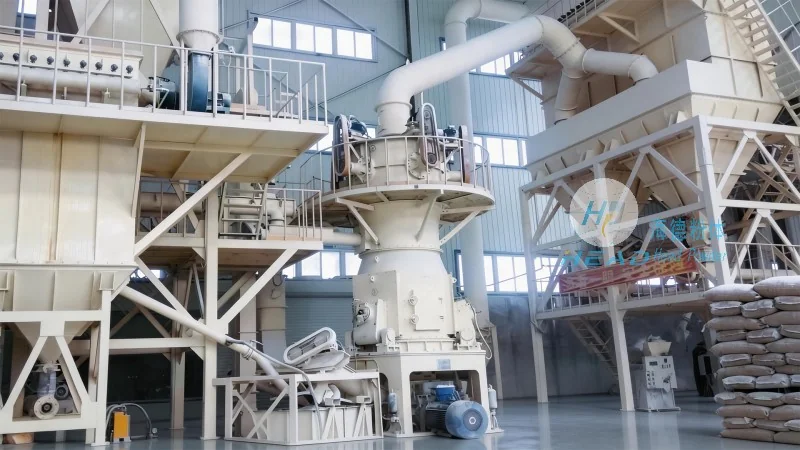
Pneumatic conveying systems are integrated at various stages of the soap manufacturing process to ensure seamless material flow. For instance, after the soap granules are produced in the milling or granulation stage, the system can transport them directly to a storage silo or a packaging line. The flexibility of the system allows it to handle both short and long-distance transport, from a few meters within a facility to several hundred meters across different production areas. In addition, the system can be configured to handle multiple product lines simultaneously, with separate pipelines for different soap formulations, ensuring that each product remains isolated and free from contamination. This capability is especially valuable for manufacturers producing a wide range of soap products, such as laundry detergents, hand soaps, and personal care items.
Customization and Scalability: Meeting Specific Industry Needs
Shandong HeadPowder Engineering Co., Ltd., a leading provider of pneumatic conveying solutions, understands that each soap manufacturing facility has unique requirements. The company offers customized pneumatic conveying systems tailored to the specific characteristics of soap granules, including particle size, moisture content, and flowability. By working closely with clients, HeadPowder engineers can design systems that optimize material handling efficiency while minimizing energy consumption and maintenance costs. The company's solutions are scalable, allowing manufacturers to start with a basic system and expand it as production volumes increase, ensuring long-term investment value. This flexibility is crucial for businesses in the soap industry, which often experience fluctuations in demand and need adaptable equipment to meet changing production needs.
Conclusion: Enhancing Efficiency and Cleanliness in Soap Granule Transport
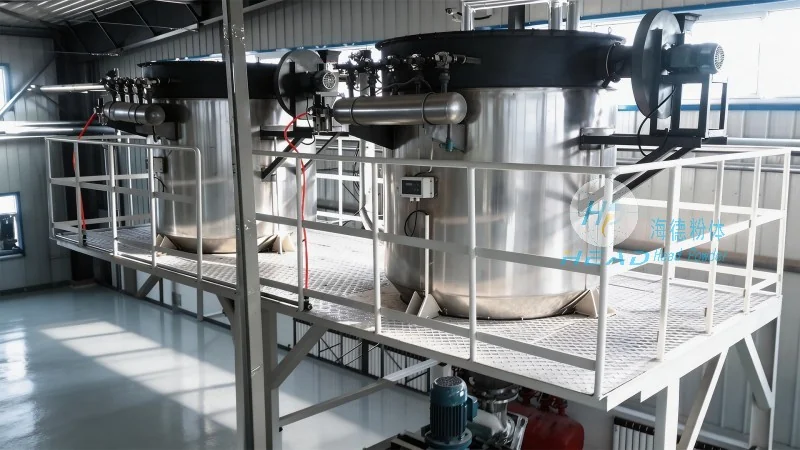
In conclusion, pneumatic conveying technology represents a significant advancement in the efficient and hygienic handling of soap granules. By leveraging the enclosed, flexible, and automated nature of these systems, manufacturers can improve operational efficiency, reduce costs, and maintain product quality. Companies like Shandong HeadPowder Engineering Co., Ltd. play a vital role in providing tailored solutions that address the specific challenges of soap granule transport, ensuring that manufacturers can meet the demands of a competitive market while upholding the highest standards of cleanliness and efficiency. As the soap industry continues to evolve, the adoption of advanced pneumatic conveying systems will remain a key strategy for enhancing production processes and maintaining a competitive edge.




