Calcium oxide, commonly known as quicklime, is a widely used industrial material in various sectors such as construction, steel production, and chemical manufacturing. The efficient and safe transportation of calcium oxide from production sites to processing units is crucial for maintaining operational efficiency and product quality. Pneumatic conveying equipment offers a reliable solution for handling this material, leveraging the principles of air flow and particle movement to achieve seamless material transfer. This article delves into the fundamental principles behind calcium oxide pneumatic conveying systems, highlighting the key components, operational mechanisms, and practical applications.
Key Components of Pneumatic Conveying Systems for Calcium Oxide
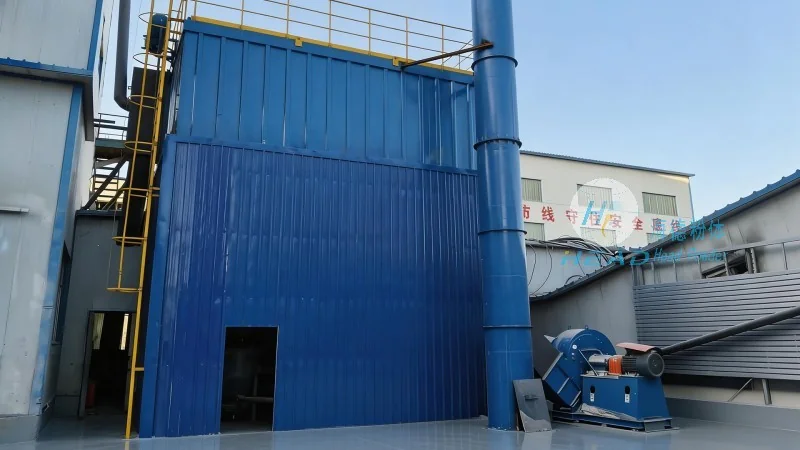
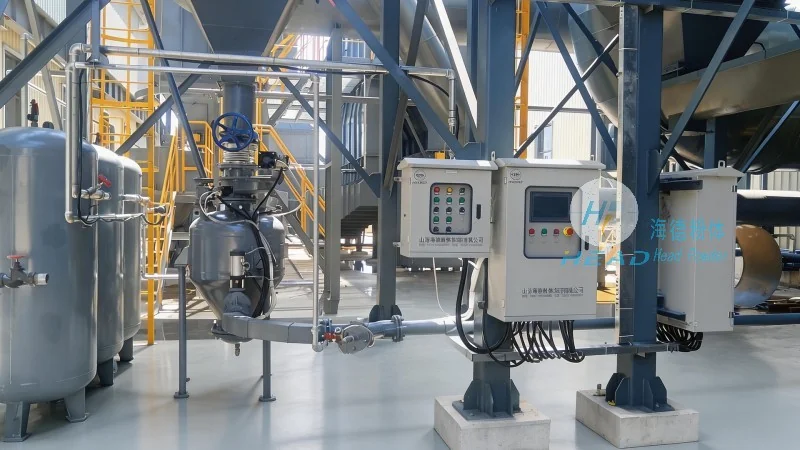
The calcium oxide pneumatic conveying system consists of several critical components that work in tandem to ensure effective material transport. The primary components include the material hopper, which stores the calcium oxide and provides a controlled feed; the air compressor or blower, which generates the necessary air pressure to move the material; the conveying line, typically made of stainless steel or other corrosion-resistant materials to accommodate the chemical properties of calcium oxide; and the receiver or discharge hopper, where the material is deposited at the destination. Additionally, control valves, filters, and dust collection systems are integrated to regulate the flow, prevent contamination, and ensure environmental compliance.
Operational Principles of Pneumatic Conveying
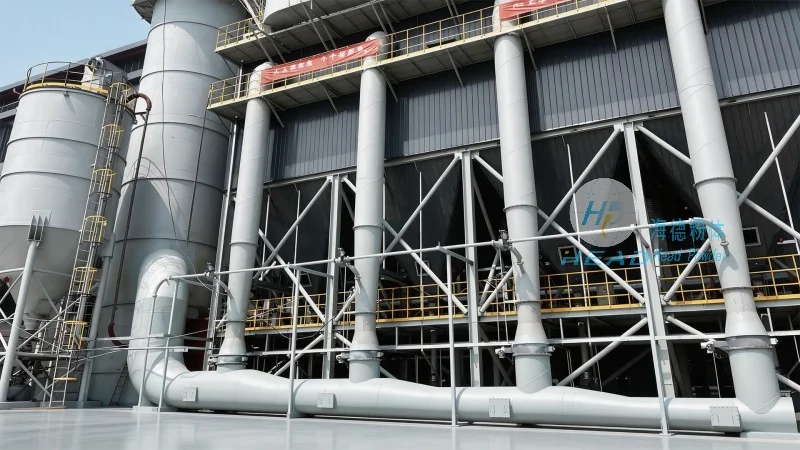
The core principle of pneumatic conveying is the use of compressed air to create a flow that transports solid particles. In the case of calcium oxide, the system operates on either pressure or vacuum. Pressure systems use positive pressure to push the material through the pipeline, while vacuum systems use negative pressure to pull the material. The choice between these systems depends on factors such as the distance of transport, the quantity of material, and the required flow rate. The air velocity within the pipeline must be sufficient to overcome the gravitational force and frictional resistance of the particles, ensuring that the calcium oxide remains suspended and moves smoothly. Proper design of the conveying line, including the diameter and length, is essential to maintain optimal air velocity and prevent particle deposition or blockages.
Advantages of Pneumatic Conveying for Calcium Oxide
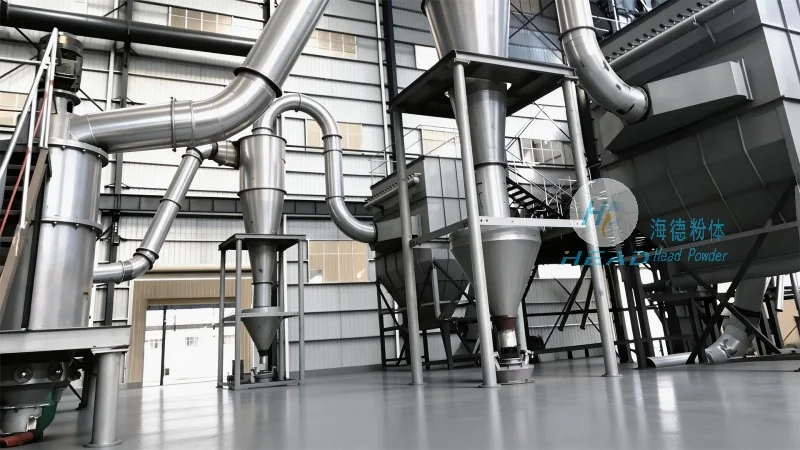
Implementing pneumatic conveying for calcium oxide offers several advantages over traditional methods like belt conveyors or bucket elevators. One of the most significant benefits is the ability to handle the material in a closed system, which minimizes dust emissions and protects the environment. This is particularly important for calcium oxide, which can be a source of airborne particles that may affect air quality and worker health. Additionally, pneumatic conveying allows for flexible and compact layouts, as the conveying lines can be installed in various configurations without the need for extensive ground infrastructure. The system also provides better control over the material flow, enabling precise dosing and reducing material waste. Furthermore, the closed system helps maintain the purity of the calcium oxide, preventing contamination from external sources and ensuring consistent product quality for downstream processes.
Applications and Considerations in Industrial Settings
Calcium oxide pneumatic conveying systems are widely used in industrial applications where the material needs to be transported over short to medium distances, typically up to several hundred meters. Common applications include transporting quicklime from storage silos to reactors in chemical plants, moving calcium oxide from grinding units to packaging facilities in manufacturing operations, and delivering the material to mixing stations in construction material production. When designing a pneumatic conveying system for calcium oxide, several considerations must be taken into account. The chemical properties of calcium oxide, such as its reactivity with moisture and acids, require the use of corrosion-resistant materials for the conveying line and components. The system must also be equipped with appropriate dust collection and filtration systems to comply with environmental regulations. Additionally, the air pressure and flow rate must be optimized to prevent particle degradation or agglomeration, which could affect the material's performance in subsequent processes. Regular maintenance and monitoring of the system are essential to ensure consistent operation and to address any potential issues before they lead to system failures.
Conclusion
In conclusion, the principle of calcium oxide pneumatic conveying systems is a sophisticated and effective method for transporting this critical industrial material. By leveraging the power of compressed air and carefully designed components, these systems offer advantages in terms of efficiency, safety, and environmental compliance. As industries continue to seek more reliable and sustainable material handling solutions, pneumatic conveying remains a viable option for calcium oxide transportation. The expertise of companies like Shandong HeadPowder Engineering Co., Ltd. plays a crucial role in designing and implementing these systems, ensuring that they meet the specific needs of industrial applications and contribute to overall operational success.




