HeadPowder, a leading manufacturer based in Shandong, China, specializes in the design and production of advanced pneumatic conveying systems for dry limestone. This article delves into the fundamental principles behind the operation of such equipment, highlighting key components, working mechanisms, and the technological advancements that enhance efficiency and reliability in material handling applications.
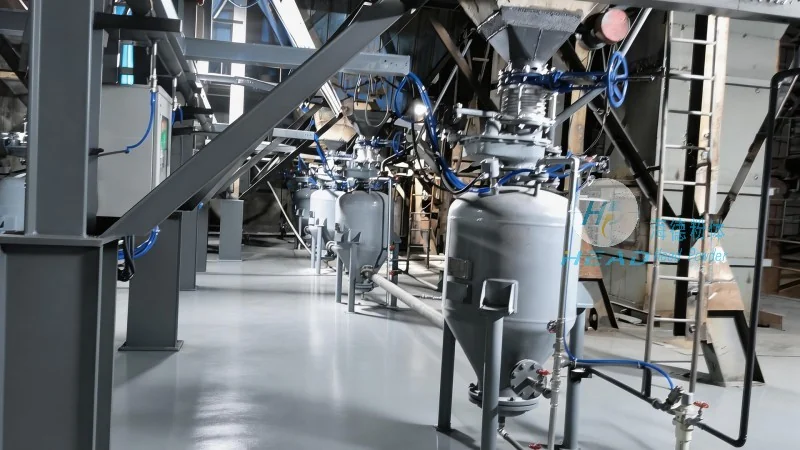
Core Components of Pneumatic Conveying Systems
The dry limestone pneumatic conveying system typically consists of several critical components that work in tandem to transport bulk materials. The primary elements include a material hopper, a rotary valve (or feeder), a conveying pipeline, a pressure vessel or receiver, and a dust collector. Each component plays a vital role in ensuring the smooth and efficient transfer of limestone from the source to the destination.
The material hopper is designed to store the dry limestone, providing a consistent feed to the system. It often features a sloped bottom to facilitate material flow and may include a level indicator to monitor the material inventory. The rotary valve, also known as a feeder, regulates the flow of limestone from the hopper into the conveying pipeline. This component is crucial for controlling the material discharge rate, preventing blockages, and maintaining a steady flow.
The conveying pipeline is the main channel through which the limestone is transported. It is usually made of durable materials like stainless steel or high-density polyethylene (HDPE) to withstand the abrasive nature of limestone and the pressure generated during operation. The pipeline is equipped with bends, elbows, and straight sections to guide the material along the desired path. The pressure vessel at the receiving end collects the material, and a discharge valve controls the release of material. A level sensor indicates the material level inside.
The dust collector is an essential component for maintaining air quality and ensuring compliance with environmental regulations. It captures any fine particles or dust generated during the conveying process, preventing them from being released into the atmosphere. This component typically includes a filter system and a fan to draw air through the filter and return clean air to the system.
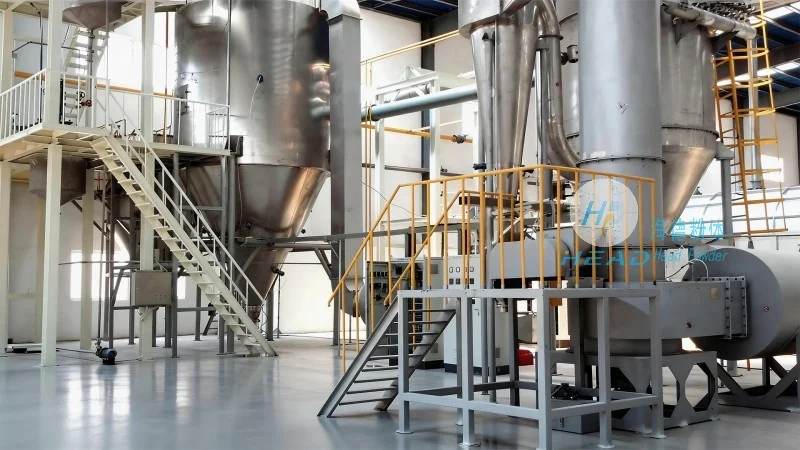
Working Principle of Pneumatic Conveying
The operation of a dry limestone pneumatic conveying system is based on the principle of air movement. The system uses a blower or compressor to generate a high-pressure air stream that propels the limestone particles through the pipeline. The limestone is introduced into the pipeline via the rotary valve, where it is mixed with the air stream. The air and material mixture travels through the pipeline, with the air providing the necessary force to move the limestone.
As the material moves through the pipeline, it may encounter bends or changes in direction. The design of the pipeline and the use of appropriate fittings ensure that the material is conveyed smoothly without excessive pressure loss or material degradation. The pressure vessel at the receiving end collects the material, and the air is either vented to the atmosphere or recycled back into the system, depending on the specific design.
The system operates in a closed loop, with the air being continuously circulated to maintain the conveying pressure. The blower or compressor maintains the required pressure, and the rotary valve controls the material feed rate. This closed-loop operation ensures that the system runs efficiently and with minimal energy consumption.
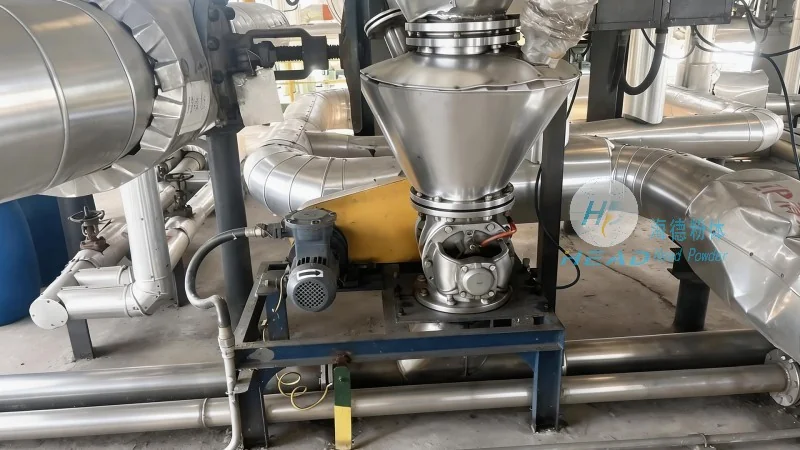
Advantages of Dry Limestone Pneumatic Conveying
Compared to traditional bulk material handling methods such as belt conveyors or bucket elevators, dry limestone pneumatic conveying offers several advantages. One of the key benefits is the ability to transport materials over long distances without the need for multiple transfer points. This reduces the overall system complexity and maintenance requirements. Additionally, the system is less prone to material degradation, as the limestone is not subjected to mechanical stress or friction during transport.
The pneumatic conveying system also provides better control over the material flow rate, allowing for precise regulation of the limestone discharge. This is particularly important in applications where the material needs to be delivered to a specific location or at a specific rate. The system is also more flexible, as it can be easily reconfigured to accommodate changes in the material handling requirements.
Another advantage is the reduced space requirement. Unlike traditional conveyor systems that require a large footprint, the pneumatic conveying system can be installed in a compact area, making it suitable for applications with limited space. The system also offers better safety features, as the material is contained within the pipeline and the dust is captured by the dust collector, reducing the risk of dust explosions or inhalation hazards.
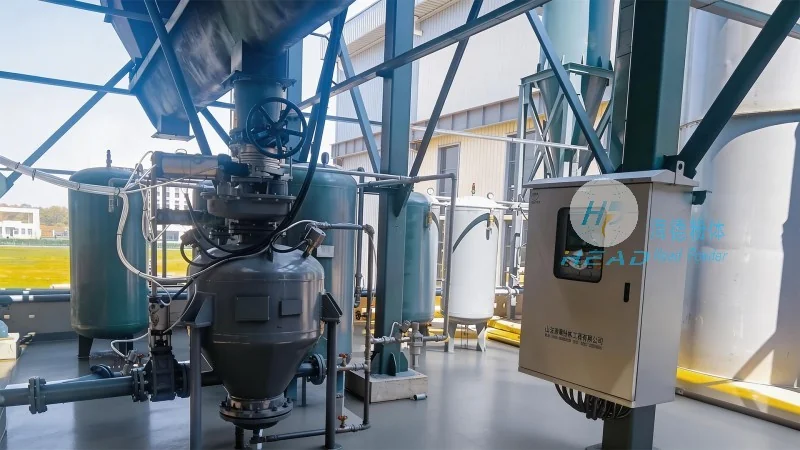
Applications of Dry Limestone Pneumatic Conveying
Dry limestone pneumatic conveying systems are widely used in various industries, including cement production, power generation, and chemical processing. In cement plants, the system is used to transport limestone from storage silos to the raw material preparation area. The limestone is then ground and mixed with other raw materials to produce cement clinker. In power plants, the system is used to transport limestone to the flue gas desulfurization (FGD) system, where it is used to neutralize sulfur dioxide emissions.
In the chemical industry, the system is used to transport limestone to various processing units, such as reactors or reactors. The limestone is used as a raw material or as a reagent in chemical reactions. The system's ability to handle abrasive materials and its flexibility make it suitable for a wide range of applications in the chemical industry.
Other applications include the transportation of limestone in mining operations, where it is used as a filler or as a raw material for other products. The system's efficiency and reliability make it an ideal choice for these applications, as it can handle large volumes of material over long distances.
Conclusion
HeadPowder's dry limestone pneumatic conveying equipment is a reliable and efficient solution for bulk material handling. The system's design, based on proven principles, ensures that the limestone is transported safely and effectively. With its advanced components and flexible operation, the system is suitable for a wide range of applications in various industries. By understanding the principles and components of the system, users can make informed decisions about the best material handling solution for their specific needs.




