Understanding the core principles of bean pneumatic conveying equipment is essential for optimizing material handling processes in agricultural and food processing industries. This equipment plays a crucial role in efficiently transporting beans from one location to another, ensuring minimal damage and maintaining product quality throughout the operation.
Introduction to Pneumatic Conveying Systems for Beans
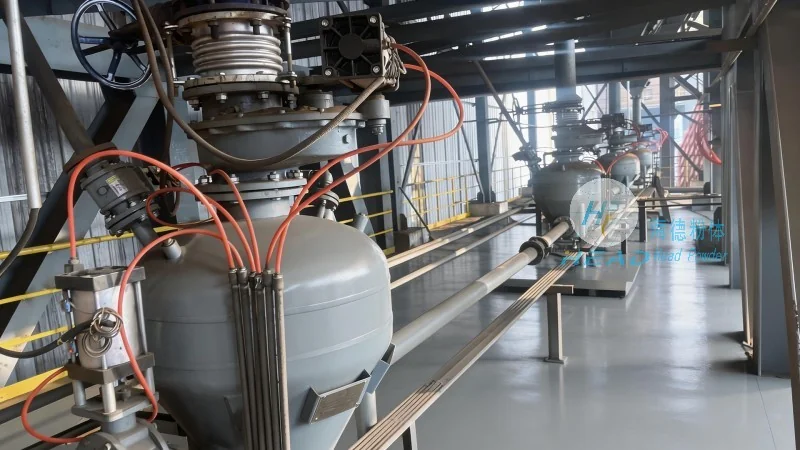
Pneumatic conveying systems utilize air or gas to move bulk materials like beans through a pipeline network. Unlike traditional mechanical conveyors, these systems offer advantages such as reduced product contamination, lower maintenance costs, and the ability to handle delicate materials without causing breakage or bruising. The technology has evolved significantly over the years, with modern designs incorporating advanced control systems and energy-efficient solutions.
Key Components of Bean Pneumatic Conveying Equipment
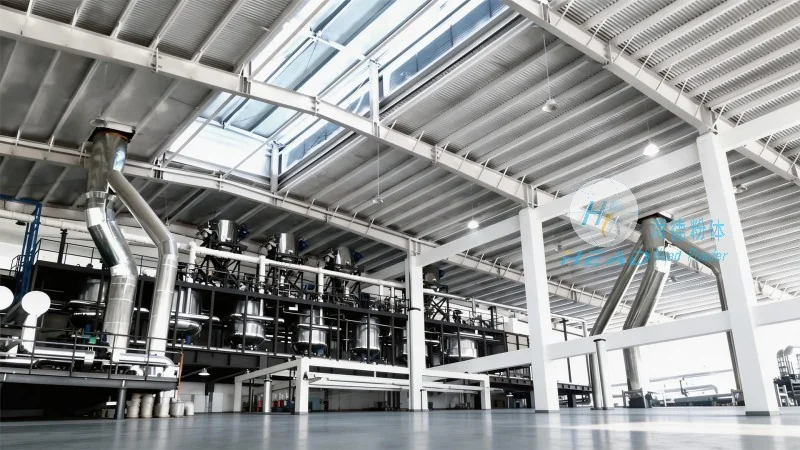
The effectiveness of a pneumatic conveying system for beans depends on several critical components that work in harmony to achieve optimal performance. These components include the hopper or feeder, which feeds the beans into the system; the air compressor or blower, which generates the necessary air pressure; the pipeline network, which transports the beans; and the receiver or discharge unit, where the material is collected. Each component must be carefully selected and maintained to ensure consistent operation and prevent system failures.
How Pneumatic Conveying Works: The Core Mechanism
The operation of bean pneumatic conveying equipment is based on the principle of creating a pressure differential between the inlet and outlet of the system. When the air compressor operates, it forces air into the pipeline, creating a high-pressure environment. As the beans are introduced into the hopper, they are drawn into the pipeline by the moving air, forming a mixture known as a "slurry" or "pneumatic stream." The air velocity within the pipeline must be sufficient to overcome the gravitational force acting on the beans, ensuring they are carried along the entire length of the conveyor. The receiver then separates the beans from the air, typically through a cyclone or filter system, and collects the material in a storage bin or processing unit.
Advantages of Using Pneumatic Conveying for Beans
Implementing pneumatic conveying equipment for bean handling offers numerous benefits that enhance operational efficiency and product quality. One of the primary advantages is the ability to handle fragile or delicate beans without causing damage, which is critical for maintaining their market value and shelf life. Additionally, these systems are highly flexible, allowing for changes in the layout or direction of the conveyor without significant modifications. Energy efficiency is another key benefit, as modern systems are designed to minimize air consumption while maximizing material throughput. The reduced need for manual handling also improves workplace safety and reduces labor costs.
Applications in the Agricultural and Food Processing Industry
Bean pneumatic conveying equipment is widely used in various applications within the agricultural and food processing sectors. In processing facilities, these systems are employed to transport beans from storage silos to processing lines, such as cleaning, sorting, and packaging operations. They are also utilized in seed handling operations, where beans are moved from storage to planting equipment or for further processing. The versatility of pneumatic conveying makes it suitable for both small-scale and large-scale operations, catering to the diverse needs of the industry.
Maintenance and Operational Considerations
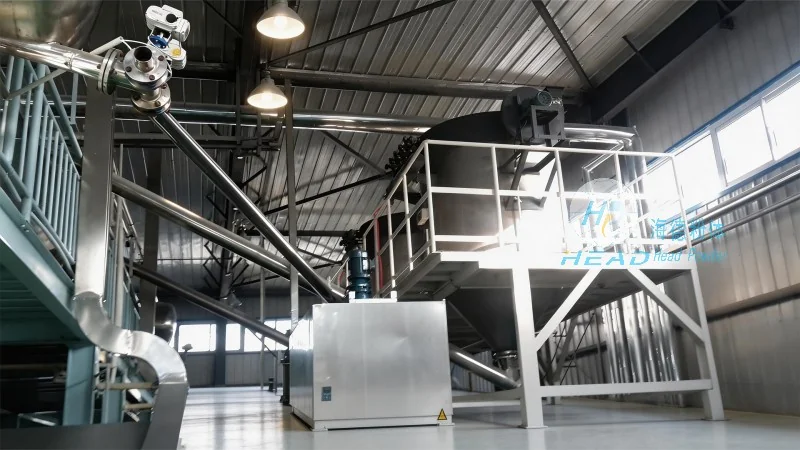
Proper maintenance is essential to ensure the longevity and reliability of bean pneumatic conveying equipment. Regular inspections of the air compressor, pipeline, and feeder are necessary to identify and address potential issues before they lead to system failures. Cleaning the system, especially the cyclone and filter components, is crucial to prevent clogging and maintain air flow efficiency. Additionally, monitoring air pressure and flow rates helps operators detect any deviations from normal operation, allowing for timely adjustments. Training personnel on the proper operation and maintenance of the equipment is also vital to maximize its performance and minimize downtime.
Conclusion: The Role of Bean Pneumatic Conveying Equipment
Bean pneumatic conveying equipment represents a sophisticated solution for efficient and gentle handling of beans in agricultural and food processing applications. By understanding the principles and components of these systems, businesses can optimize their material handling processes, improve product quality, and enhance overall operational efficiency. As technology continues to advance, these systems are likely to become even more efficient and versatile, further solidifying their role in the industry.




