Understanding the various types, key features, and practical applications of gypsum pneumatic conveying systems is crucial for industries dealing with this common mineral. Gypsum, a widely used material in construction and manufacturing, requires efficient and reliable handling methods to ensure optimal performance and safety. This article explores the different configurations of gypsum pneumatic conveying systems, highlighting their unique characteristics and the specific scenarios where they are most effective.
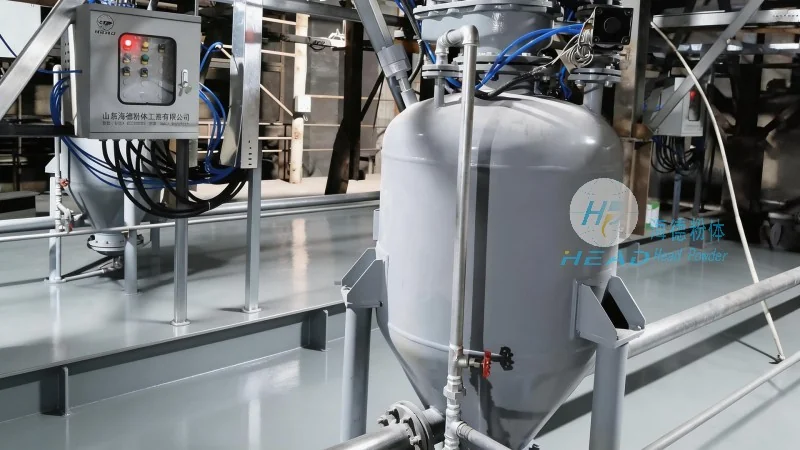
Introduction to Gypsum Pneumatic Conveying
Gypsum pneumatic conveying systems utilize air or gas to transport gypsum powder or granules from one location to another. Unlike traditional mechanical conveying methods, such as screw conveyors or belt conveyors, pneumatic systems offer advantages in terms of flexibility, reduced equipment wear, and the ability to handle fine powders without clogging. The choice of system type depends on factors like material properties, distance, and the required flow rate, making it essential to understand the available options.
Key Types of Gypsum Pneumatic Conveying Systems
There are primarily two main categories of gypsum pneumatic conveying systems: pressure and vacuum systems. Each type has distinct operational principles and is suited for different applications.
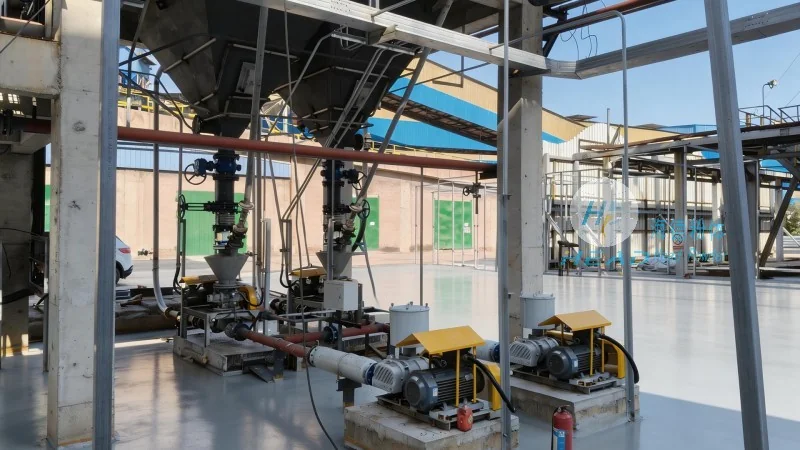
1. Pressure Pneumatic Conveying Systems
Pressure systems operate by blowing air or gas into a sealed pipeline under positive pressure. The material is introduced into the system at a high-pressure point, typically near the source, and is then transported through the pipeline to the destination. This method is ideal for long-distance conveying and for applications where the material needs to be moved against gravity or over obstacles. The positive pressure helps maintain a consistent flow rate and prevents dust leakage, making it suitable for environments where dust control is critical.
2. Vacuum Pneumatic Conveying Systems
Vacuum systems, on the other hand, create a negative pressure in the pipeline to draw the material from the source to the destination. The material is typically fed into a hopper or container, and the vacuum pump pulls the material through the system. This type of system is commonly used for short to medium distances and is particularly effective for handling materials that are difficult to move by pressure alone, such as fine powders that might be prone to settling or clogging. Vacuum systems are also advantageous in applications where the material needs to be collected from multiple points and transported to a central location.
Features and Advantages of Gypsum Pneumatic Conveying
Regardless of the system type, gypsum pneumatic conveying systems share several key features that contribute to their effectiveness and reliability. One of the most significant advantages is the ability to handle fine powders without the need for additional equipment like classifiers or screens. The enclosed pipeline design minimizes dust exposure, enhancing workplace safety and compliance with environmental regulations. Additionally, these systems are relatively compact and can be installed in tight spaces, making them suitable for facilities with limited floor space.
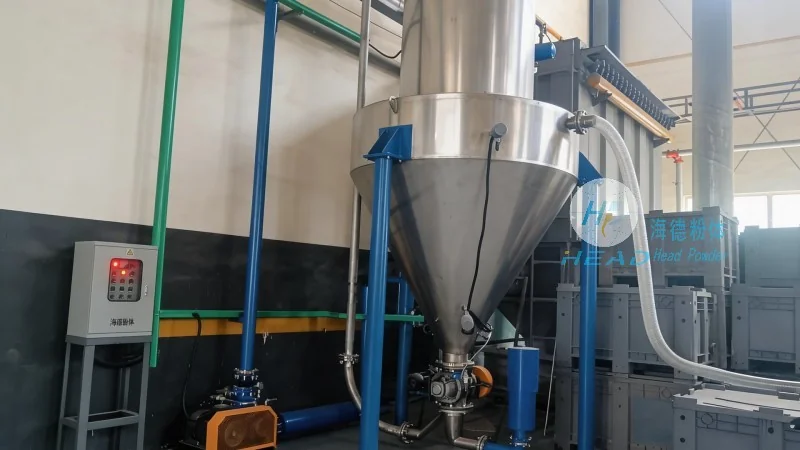
Application Ranges of Gypsum Pneumatic Conveying Systems
The versatility of gypsum pneumatic conveying systems makes them applicable across a wide range of industries and processes. In the construction industry, they are commonly used to transport gypsum powder to manufacturing plants for the production of drywall, plaster, and other building materials. The systems are also utilized in the agricultural sector, where gypsum is used as a soil amendment to improve soil structure and fertility. Furthermore, in the pharmaceutical and chemical industries, gypsum is processed into various products, and pneumatic conveying ensures a clean and efficient transfer of the material.
Customization and Integration with Other Equipment
Shandong HeadPowder Engineering Co., Ltd., a leading provider of material handling solutions, offers customized gypsum pneumatic conveying systems tailored to specific customer needs. The company specializes in designing and manufacturing systems that integrate seamlessly with existing production lines, ensuring smooth operations and minimal downtime. With a focus on quality and innovation, HeadPowder Engineering provides solutions that enhance productivity while maintaining safety standards. The company’s headquarters is located in Shandong, China, and they serve clients globally with expertise in material handling technology.




