Phosphate sodium, a crucial chemical compound widely used in various industries, often requires efficient and reliable material handling solutions. Pneumatic conveying systems offer an excellent method for transporting phosphate sodium, providing advantages such as reduced dust, improved safety, and enhanced process control. This article explores the different types of phosphate sodium pneumatic conveying systems, their key characteristics, and the diverse applications where they are employed.
Introduction to Phosphate Sodium Pneumatic Conveying
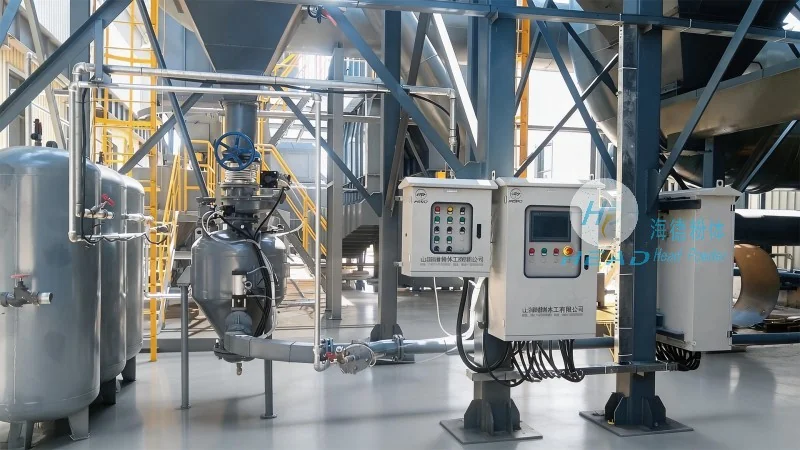
Phosphate sodium, also known as sodium phosphate, is a chemical compound with the formula Na₃PO₄. It is commonly used in industries like food processing, pharmaceuticals, and chemical manufacturing. Traditional methods of transporting phosphate sodium, such as manual handling or mechanical conveyors, often present challenges like dust generation, material degradation, and operational inefficiencies. Pneumatic conveying systems address these issues by using air to transport the material, making it a preferred choice for many applications.
Types of Phosphate Sodium Pneumatic Conveying Systems
There are primarily two main types of pneumatic conveying systems used for phosphate sodium: positive pressure and negative pressure systems. Each type has distinct characteristics and is suitable for different operational requirements.
Positive Pressure Pneumatic Conveying
Positive pressure systems operate by blowing air or a mixture of air and gas into the conveying line, creating a pressure higher than the ambient air. This method is ideal for transporting phosphate sodium over long distances or through complex piping networks. The system typically includes a blower, a material feed hopper, and a discharge point. The high-pressure air forces the phosphate sodium particles through the pipeline, ensuring consistent flow and minimal blockages. Positive pressure systems are particularly effective for applications requiring high throughput and the ability to handle abrasive or sticky materials.
Negative Pressure Pneumatic Conveying
Negative pressure systems, also known as vacuum conveying, work by creating a vacuum in the conveying line, drawing the phosphate sodium material from the source into the system. This method is commonly used for short to medium distance transport and is well-suited for handling fine powders or materials that are sensitive to pressure changes. The vacuum is generated by a vacuum pump, and the material is drawn through the pipeline under the pressure differential. Negative pressure systems are advantageous for applications where dust containment is critical and where the material needs to be transported from a lower elevation to a higher one.
Key Features and Advantages of Phosphate Sodium Pneumatic Conveying
Phosphate sodium pneumatic conveying systems offer several key features and advantages that make them a preferred choice for material handling in various industries.
Efficiency and Throughput
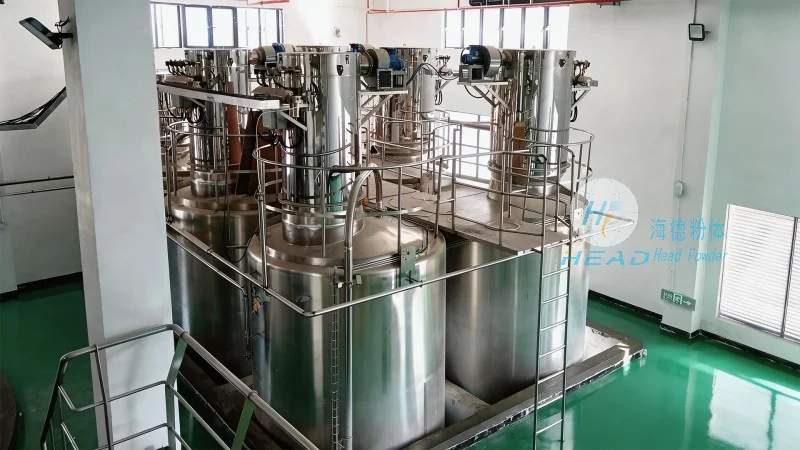
One of the primary advantages of pneumatic conveying is its ability to achieve high material throughput with minimal downtime. The system can transport large quantities of phosphate sodium quickly and efficiently, reducing the overall processing time. This is particularly beneficial in high-volume production environments where speed and productivity are critical.
Dust Control and Environmental Benefits
Unlike traditional mechanical conveyors, pneumatic systems effectively control dust generation during the conveying process. The enclosed pipeline system prevents dust from escaping into the environment, reducing the risk of respiratory issues for workers and minimizing the need for additional dust suppression measures. This makes pneumatic conveying an environmentally friendly option, aligning with modern industrial standards for sustainability.
Process Flexibility and Integration
Pneumatic conveying systems are highly flexible and can be easily integrated into existing production lines. They can handle a wide range of particle sizes and shapes, from fine powders to larger granules. The system can be configured to transport phosphate sodium from multiple sources to different destinations, allowing for complex material flow management. This flexibility makes it suitable for various production scenarios, including batch processing and continuous operation.
Reduced Maintenance and Operational Costs
Compared to mechanical conveyors, pneumatic systems often require less maintenance due to the absence of moving parts in the conveying line. The blower and vacuum pump are the main components that may need regular maintenance, but the overall maintenance cost is generally lower. Additionally, the energy consumption of pneumatic systems is optimized, leading to reduced operational costs over time.
Application Scope of Phosphate Sodium Pneumatic Conveying
Phosphate sodium pneumatic conveying systems are widely used across multiple industries due to their versatility and efficiency. The following are some of the key applications where these systems are employed.
Food and Beverage Industry
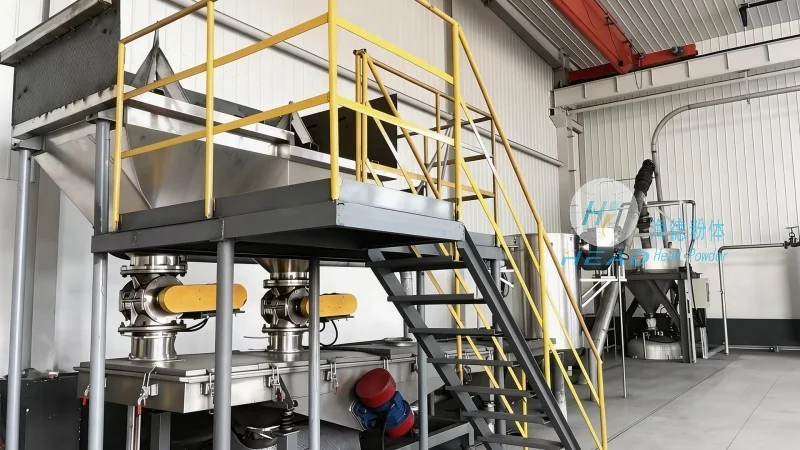
In the food and beverage sector, phosphate sodium is used as a food additive, particularly in the production of dairy products, beverages, and baked goods. Pneumatic conveying systems are used to transport phosphate sodium from storage silos to processing equipment, ensuring a clean and hygienic transfer process. The enclosed system prevents contamination and maintains the quality of the product, which is essential in food processing.
Pharmaceutical Industry
Phosphate sodium is also utilized in the pharmaceutical industry as an excipient or in the formulation of certain medications. Pneumatic conveying is employed to transport the material from raw material storage to manufacturing lines, ensuring a sterile and controlled environment. The system's ability to handle fine powders without generating dust is crucial for maintaining product purity and meeting regulatory standards.
Chemical Manufacturing
Chemical manufacturers use phosphate sodium in various processes, such as the production of detergents, fertilizers, and other chemical products. Pneumatic conveying systems are used to transport the material between different stages of the production process, including mixing, blending, and packaging. The system's efficiency and ability to handle abrasive materials make it suitable for high-stress chemical environments.
Industrial and Agricultural Applications
Beyond the above industries, phosphate sodium pneumatic conveying is also used in industrial and agricultural settings. For example, it can be used to transport phosphate sodium for agricultural purposes, such as in fertilizer production, where the material needs to be moved from storage to application equipment. In industrial settings, it may be used in the manufacturing of cleaning agents or other chemical products.
Conclusion
Phosphate sodium pneumatic conveying systems offer a reliable and efficient solution for handling this important chemical compound. By understanding the different types of systems, their key features, and the diverse applications they serve, industries can make informed decisions about implementing the most suitable material handling technology. The advantages of pneumatic conveying, including high efficiency, dust control, and process flexibility, make it an attractive option for many operations. As a leading provider in this field, Shandong HeadPowder Engineering Co., Ltd. (headpowder) specializes in designing and manufacturing customized pneumatic conveying solutions tailored to the specific needs of clients, ensuring optimal performance and operational success.




