HeadPowder, a leading engineering company based in Shandong, China, specializes in the design and implementation of pneumatic conveying systems tailored for the transport of glass fiber powders. This article explores the various types of pneumatic conveying systems and their practical applications in handling glass fiber powders, offering insights into efficient material handling solutions for industrial processes.
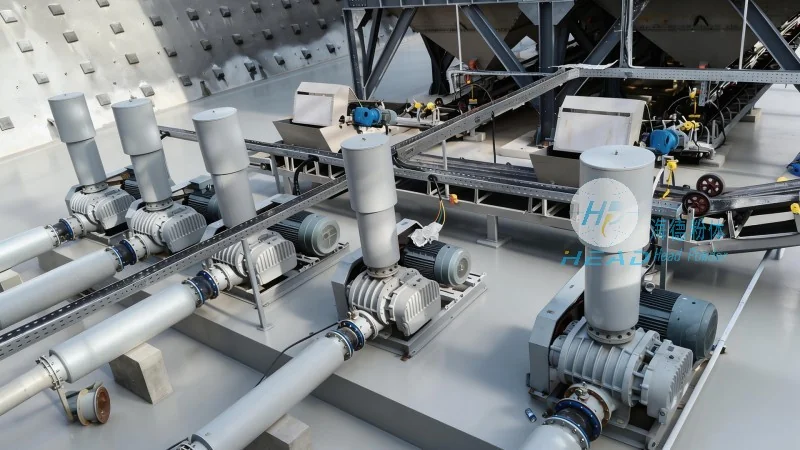
Overview of Pneumatic Conveying Systems for Glass Fiber Powders
Pneumatic conveying systems are essential for the efficient and safe transport of glass fiber powders, which are known for their fine particle size and potential for dust generation. These systems use air or other gases to move powders through a pipeline, eliminating the need for mechanical components like belts or buckets that might cause contamination or damage to the material. The primary goal of such systems is to ensure reliable, low-cost, and low-maintenance material transport while maintaining the quality and integrity of the glass fiber powder.
Types of Pneumatic Conveying Systems
There are several types of pneumatic conveying systems, each suited to different operational requirements and material characteristics. The selection of a system depends on factors such as the distance of transport, the volume of material, the particle size distribution, and the required flow rate. The main types include:
1. Dilute Phase Pneumatic Conveying This system operates at high velocity, typically 20-30 meters per second, and uses a low concentration of powder in the air stream. It is suitable for short to medium distances and is commonly used for bulk material transport. The dilute phase system ensures that the powder particles are well dispersed, reducing the risk of blockages and ensuring smooth flow.
2. Dense Phase Pneumatic Conveying Also known as low velocity conveying, this system operates at lower velocities (5-10 meters per second) and higher powder concentrations. It is ideal for longer distances and for materials that are prone to abrasion or degradation. The dense phase system provides a more controlled and gentle transport, minimizing particle breakage and preserving the material's properties.
3. Pressure Conveying In this system, the conveying line is pressurized, and the material is pushed through the pipeline using compressed air or gas. It is suitable for high-volume, long-distance transport and is often used in industrial settings where large quantities of glass fiber powder need to be moved efficiently. Pressure conveying systems can handle a wide range of particle sizes and are known for their reliability and low maintenance.
4. Vacuum Conveying This system uses a vacuum to draw the material into the conveying line. It is suitable for short to medium distances and is commonly used for material transfer from a hopper or silo to a processing unit. Vacuum conveying is gentle on the material and is ideal for handling fine powders that are sensitive to mechanical stress.
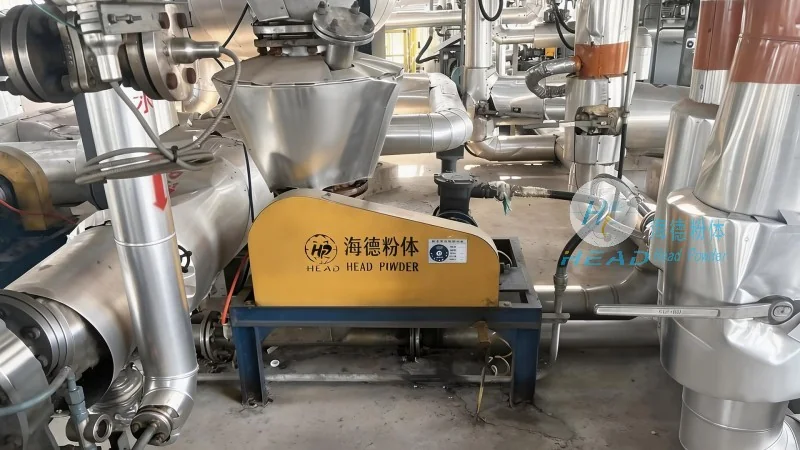
Practical Applications of Pneumatic Conveying Systems
Pneumatic conveying systems for glass fiber powders find wide applications in various industrial sectors. Some of the key practical applications include:
1. Manufacturing of Composite Materials Glass fiber powders are a critical component in the production of composite materials, such as fiberglass-reinforced plastics (FRPs). Pneumatic conveying systems ensure that the glass fiber powder is delivered to the mixing and molding equipment in a controlled manner, maintaining the uniformity and quality of the final product. This is crucial for applications in automotive, aerospace, and construction industries where the strength and durability of the composite materials are paramount.
2. Filtration and Purification Processes In the production of glass fiber filters and purification systems, the efficient transport of glass fiber powders is essential. Pneumatic conveying systems help in moving the powder from storage silos to the filtration equipment, ensuring consistent and reliable operation. This is vital for applications in water treatment, air filtration, and industrial purification processes where the quality of the filter media is critical.
3. Coating and Surface Treatment Glass fiber powders are used in coating and surface treatment processes to enhance the properties of various materials. Pneumatic conveying systems enable the precise delivery of the powder to the coating equipment, ensuring uniform coverage and consistent quality. This is important in industries such as electronics, automotive, and construction where surface properties significantly impact the performance of the final product.
4. Packaging and Filling Operations In the packaging of glass fiber powders into containers or bags, pneumatic conveying systems are used to transfer the material from storage to the filling equipment. This ensures that the powder is handled gently and efficiently, minimizing dust generation and ensuring accurate filling. This is crucial for applications in the chemical, pharmaceutical, and food industries where the purity and consistency of the powder are essential.
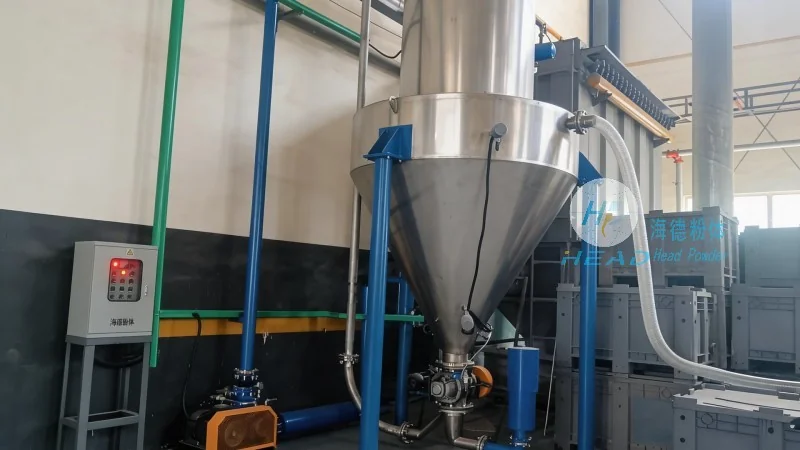
Benefits of Using Pneumatic Conveying Systems for Glass Fiber Powders
Implementing pneumatic conveying systems for glass fiber powders offers several benefits that enhance operational efficiency and product quality. Some of the key advantages include:
1. Improved Material Handling Efficiency Pneumatic conveying systems provide a continuous and automated method of transporting glass fiber powders, reducing the need for manual handling and labor. This leads to increased productivity and reduced operational costs. The systems can handle large volumes of material at high speeds, making them ideal for high-throughput industrial processes.
2. Enhanced Product Quality and Integrity Unlike mechanical conveying systems, pneumatic conveying minimizes the risk of particle breakage and contamination. The gentle transport ensures that the glass fiber powder retains its original properties, such as particle size distribution and surface characteristics. This is crucial for applications where the quality of the powder directly impacts the performance of the final product.
3. Reduced Maintenance and Operational Costs Pneumatic conveying systems have fewer moving parts compared to mechanical systems, resulting in lower maintenance requirements and longer service life. The systems are also energy-efficient, as they use compressed air or vacuum, which can be generated from existing plant infrastructure. This leads to significant cost savings over the system's operational life.
4. Improved Safety and Environmental Control Pneumatic conveying systems help in controlling dust generation and ensuring safe handling of glass fiber powders. The enclosed pipeline system prevents dust from escaping into the environment, reducing the risk of respiratory hazards and environmental contamination. This is particularly important in industries where occupational safety and environmental regulations are stringent.
Conclusion
HeadPowder, with its expertise in engineering and design, offers comprehensive solutions for pneumatic conveying systems tailored to the specific needs of glass fiber powder transport. By understanding the different types of systems and their practical applications, industrial manufacturers can select the most suitable solution to enhance their material handling processes. The benefits of using pneumatic conveying systems, including improved efficiency, product quality, and safety, make them an essential component in modern industrial operations. HeadPowder's commitment to quality and innovation ensures that clients receive reliable and efficient systems that meet their operational requirements and contribute to their overall success.




