Hydrogen chloride (HCl) is a highly corrosive and toxic gas widely utilized in the chemical industry for processes such as chlorination reactions, pharmaceutical synthesis, and production of specialty chemicals. The safe and efficient transportation of HCl gas is paramount to ensure operational safety, mitigate environmental risks, and maintain production efficiency. Traditional handling methods often involve complex and hazardous systems, making the development of advanced negative pressure pneumatic conveying technology essential for modern industrial applications.
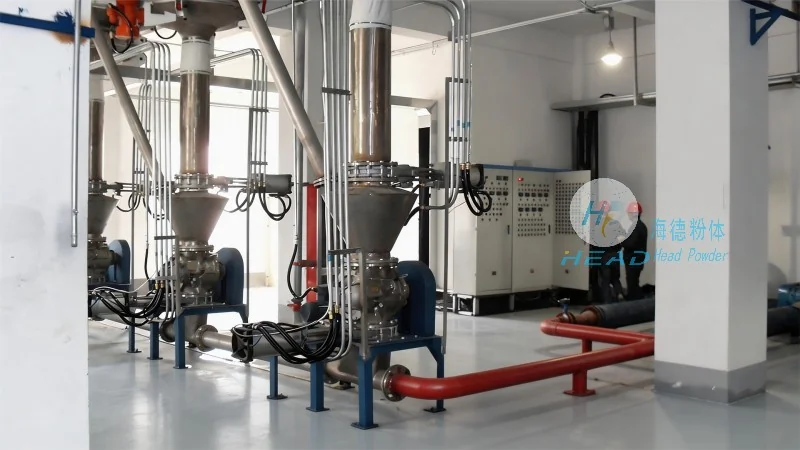
Introduction to Negative Pressure Pneumatic Conveying Systems
Negative pressure pneumatic conveying systems operate by creating a vacuum or reduced pressure environment to draw HCl gas from the source and transport it to the destination. This approach offers distinct advantages over positive pressure systems, including minimized gas leakage risks, lower operating pressures, and enhanced safety for personnel and equipment. The system typically comprises a vacuum pump, conveying line, gas filter, and collection vessel, all engineered to handle the corrosive nature of HCl gas while maintaining high efficiency.
Key Design Features of the System
The negative pressure pneumatic conveying system developed by Shandong HeadPowder Engineering Co., Ltd. incorporates several critical design elements to ensure optimal performance and safety. The system is constructed using corrosion-resistant materials like stainless steel and specialized alloys to withstand the aggressive properties of HCl gas. The vacuum pump is selected to provide sufficient suction capacity for the required gas flow rates, with options for variable speed control to adapt to changing production demands. The conveying line includes insulated sections to prevent heat loss and maintain gas temperature within safe operating limits. Additionally, the system features advanced gas filtration and purification components to remove impurities and ensure the quality of the HCl gas being transported.
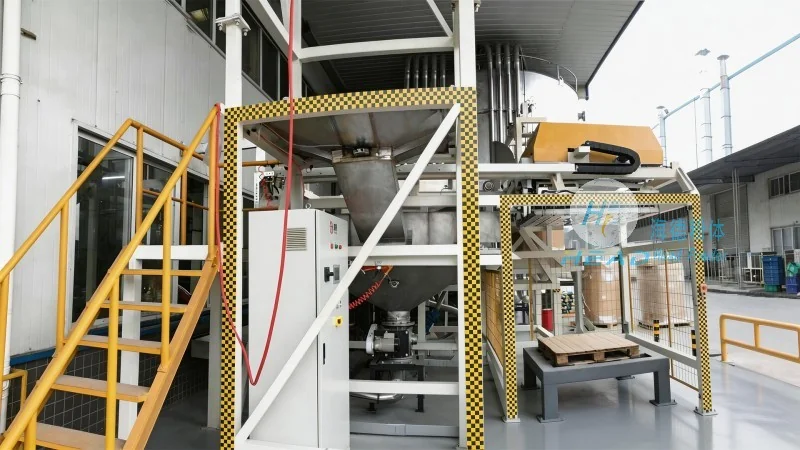
Operational Workflow and Efficiency
The operational workflow of the negative pressure pneumatic conveying system begins with HCl gas being drawn from the source vessel or production line into the vacuum pump. The pump generates a negative pressure in the conveying line, which pulls the gas through the insulated pipeline to the destination point, such as a storage tank or processing unit. The system is designed for continuous operation, with automatic controls monitoring pressure, flow rate, and temperature to maintain stable performance. The use of negative pressure technology reduces energy consumption compared to positive pressure systems, as the pump only needs to overcome the resistance of the conveying line rather than pushing the gas against atmospheric pressure. This results in lower operational costs and increased energy efficiency.
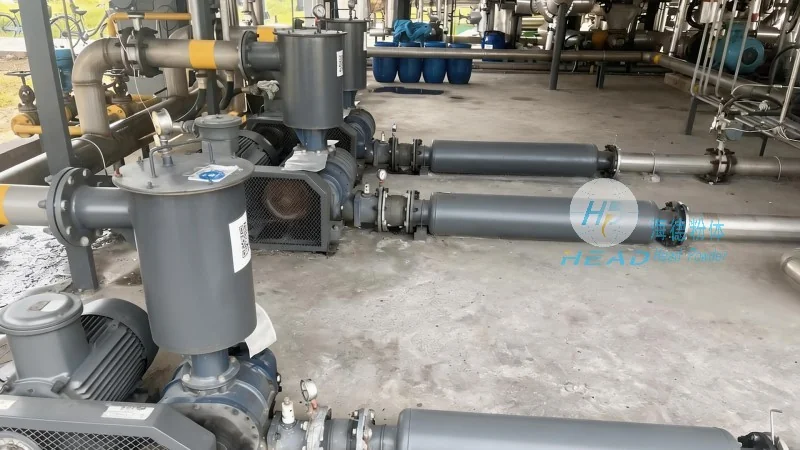
Safety and Reliability Measures
Ensuring safety and reliability is a top priority in the system's design. The system incorporates multiple safety features, including explosion-proof vacuum pumps and motors, pressure relief valves, and gas detection sensors. The entire system is enclosed in a robust housing to prevent accidental exposure to HCl gas, with all connections sealed using corrosion-resistant gaskets to eliminate leak risks. Regular maintenance and inspection procedures are integrated into the design to ensure the system remains in optimal condition and to identify potential issues before they become critical. Redundant components and automatic backup systems enhance reliability, ensuring continuous operation even during component failures.
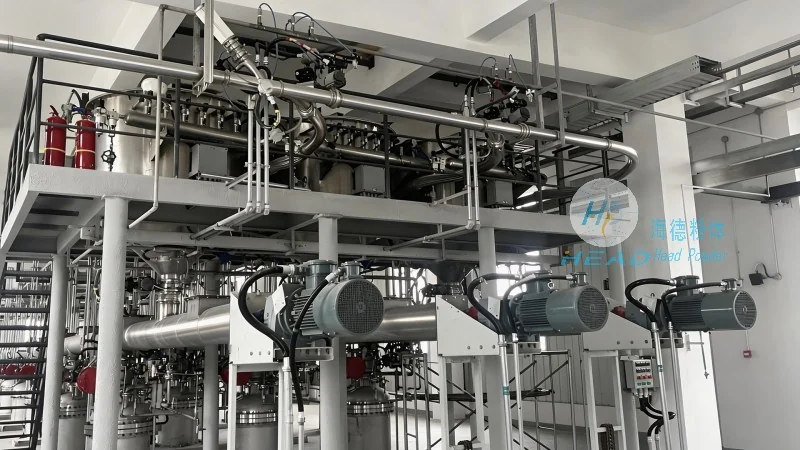
Application in Industrial Settings
The negative pressure pneumatic conveying system is particularly well-suited for applications in the chemical industry where HCl gas needs to be transported over long distances or through complex process layouts. It is commonly used in the production of chlorinated solvents, pharmaceutical intermediates, and other specialty chemicals, where safe and efficient handling of HCl gas is essential. The system can be integrated with existing production lines with minimal modifications, and its compact design and low maintenance requirements make it an attractive solution for both new and existing industrial plants.
Conclusion
The negative pressure pneumatic conveying system designed by Shandong HeadPowder Engineering Co., Ltd. represents a significant advancement in the safe and efficient handling of hydrogen chloride gas. By leveraging advanced materials, robust engineering, and comprehensive safety features, the system provides a reliable solution for industrial applications while minimizing operational risks and costs. As the demand for HCl gas in the chemical industry continues to grow, such advanced conveying systems will play an increasingly vital role in ensuring the safe and sustainable operation of chemical production processes.




