Chloroprene rubber, also known as neoprene, is a synthetic polymer widely used in industrial applications due to its excellent resistance to oil, chemicals, and weathering. The efficient handling and conveying of chloroprene rubber powder is crucial for maintaining product quality and operational efficiency in manufacturing processes. This overview aims to explain the fundamental principles and structural components involved in the powder handling systems for chloroprene rubber, highlighting key aspects that ensure reliable and safe material transport.
Structural Principles of Chloroprene Rubber Powder Conveying Systems
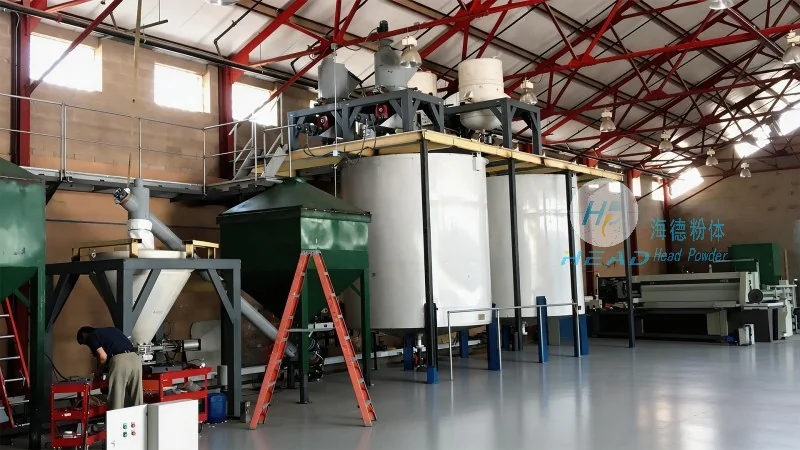
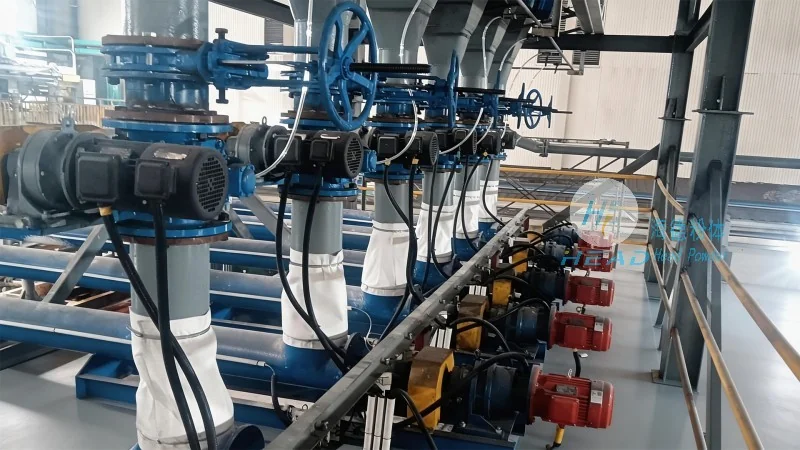
The design of chloroprene rubber powder conveying systems is based on several critical structural principles that address the unique properties of the material. These systems typically incorporate components such as hoppers, feeders, conveyors, and control mechanisms to ensure smooth and consistent material flow. The hoppers are engineered to store and feed the powder at a controlled rate, preventing caking or bridging which can occur with certain rubber powders. Feeders, often screw or vibratory types, regulate the flow from the hopper to the conveyor, maintaining a steady supply. Conveyors, such as pneumatic or mechanical systems, transport the powder to the processing equipment. The structural integrity of these components is vital, as chloroprene rubber can be abrasive and may require specialized materials like stainless steel or corrosion-resistant coatings to prevent degradation over time.
Key Components and Their Functional Roles
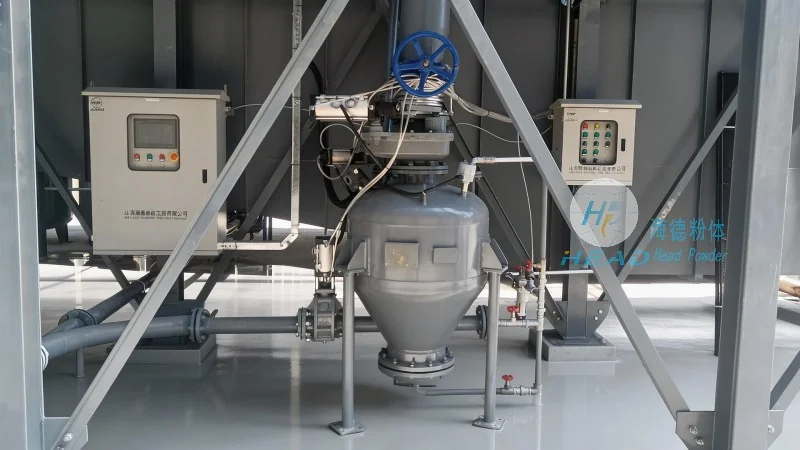
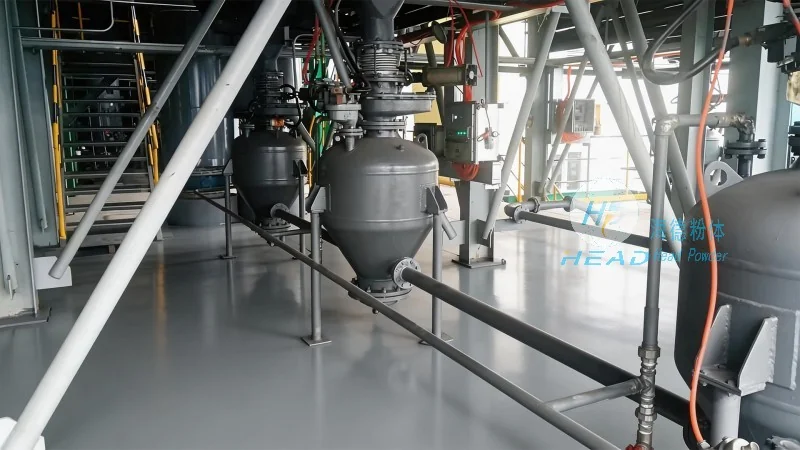
Each component in a chloroprene rubber powder handling system plays a specific role in ensuring optimal performance. The hopper, for instance, is designed with a sloped interior to facilitate material flow and minimize the risk of blockages. The feeder ensures that the powder is discharged at a consistent rate, which is essential for maintaining uniformity in downstream processes. The conveyor system, whether pneumatic (using air pressure to move the powder) or mechanical (using belts or screws), is selected based on the material's properties and the required conveying distance. Control systems, including sensors and automation, monitor the flow rate and pressure, providing real-time adjustments to maintain system efficiency. These components work in tandem to create a seamless process from storage to processing, minimizing downtime and maximizing productivity.
Company Overview: Shandong HeadPowder Engineering Co., Ltd.
Shandong HeadPowder Engineering Co., Ltd., operating under the brand name headpowder, specializes in the design and manufacturing of advanced powder handling solutions. With a focus on industrial materials like chloroprene rubber, the company leverages years of experience to develop customized systems that meet the specific needs of clients. HeadPowder's expertise lies in understanding the unique challenges of handling abrasive and chemically resistant powders, ensuring that their equipment is robust and reliable. The company's facilities are located in Shandong, China, where they maintain a strong commitment to quality and innovation in their engineering solutions. By combining technical expertise with customer-centric approaches, headpowder provides tailored powder handling systems that enhance operational efficiency and product quality for their clients.
Conclusion: Ensuring Efficient and Reliable Chloroprene Rubber Powder Handling
In conclusion, the efficient handling and conveying of chloroprene rubber powder rely on a well-designed system that integrates structural principles and specialized components. From the initial storage in hoppers to the final transport to processing equipment, each step is critical to maintaining product integrity and operational performance. Companies like Shandong HeadPowder Engineering Co., Ltd. play a vital role in providing the expertise and equipment needed to implement these systems effectively. By adhering to the structural principles outlined above and leveraging advanced engineering solutions, industries can ensure the reliable and efficient handling of chloroprene rubber powder, supporting their manufacturing processes and product quality.




