HeadPowder, a leading manufacturer based in Shandong, China, specializes in the design, production, and supply of advanced pneumatic conveying systems tailored for various industrial applications. This article provides a comprehensive overview of stone chippings pneumatic conveying equipment, focusing on its structural design and operational principles to help clients understand its functionality and benefits.
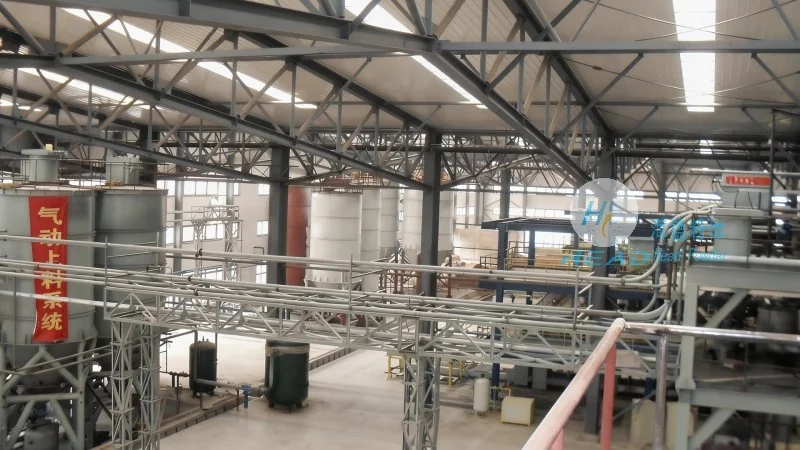
Overview of Stone Chippings Pneumatic Conveying Equipment
Stone chippings, also known as crushed stone or gravel, are widely used in construction, road building, and landscaping projects. Traditional methods of transporting these materials, such as trucks or conveyor belts, often face challenges like material spillage, high labor costs, and limited flexibility. Pneumatic conveying equipment offers a more efficient and reliable solution by utilizing air pressure to transport bulk materials through a sealed system. This technology is particularly advantageous for handling abrasive materials like stone chippings, which can cause wear on conventional equipment components.
Key Components and Structural Design
The pneumatic conveying system for stone chippings typically consists of several core components that work in harmony to ensure smooth material transport. The main parts include the hopper, feed mechanism, air compressor, conveying line, and receiver. Each component is designed with durability and efficiency in mind, especially considering the abrasive nature of stone chippings.
The hopper serves as the initial storage unit, where stone chippings are loaded before being fed into the system. It is usually equipped with a feeding device, such as a rotary valve or a screw feeder, which controls the flow rate of the material into the conveying line. The feed mechanism is crucial for maintaining a consistent material flow, preventing blockages and ensuring stable operation.
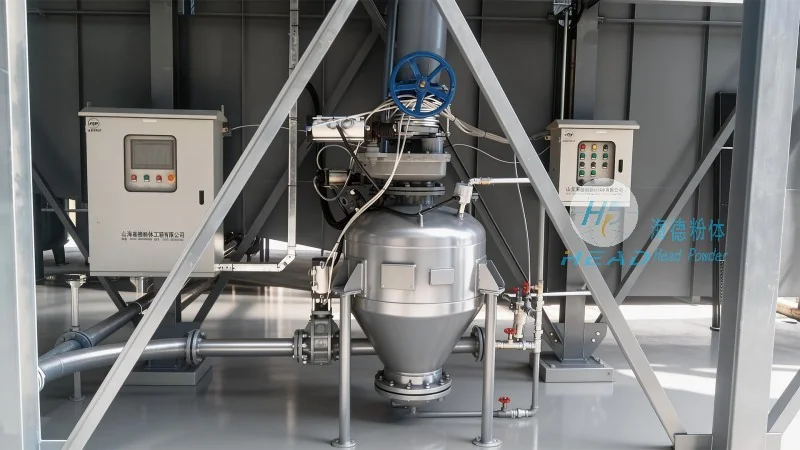
The air compressor generates the necessary air pressure to move the material through the system. It is typically a positive displacement type, capable of delivering high-pressure air to overcome the resistance of the conveying line and the material's density. The compressor is often paired with a filter and regulator to ensure clean, dry air, which is essential for preventing clogging and maintaining system efficiency.
The conveying line is the central part of the system, where the material is transported. It is usually made of stainless steel or other corrosion-resistant materials to withstand the abrasive effects of stone chippings. The line may include bends, elbows, and other fittings that are designed to minimize pressure loss and ensure smooth material flow. The receiver, located at the end of the line, collects the conveyed stone chippings and discharges them into a storage or processing area.
Working Principle of the Pneumatic Conveying System
The operation of the stone chippings pneumatic conveying system follows a simple yet effective principle: air is used to create a flow that carries the material through the system. When the air compressor starts, it forces air into the conveying line, creating a pressure differential between the hopper and the receiver. The material is then drawn into the line by the air flow, and the combination of air and material moves through the system at a controlled velocity.
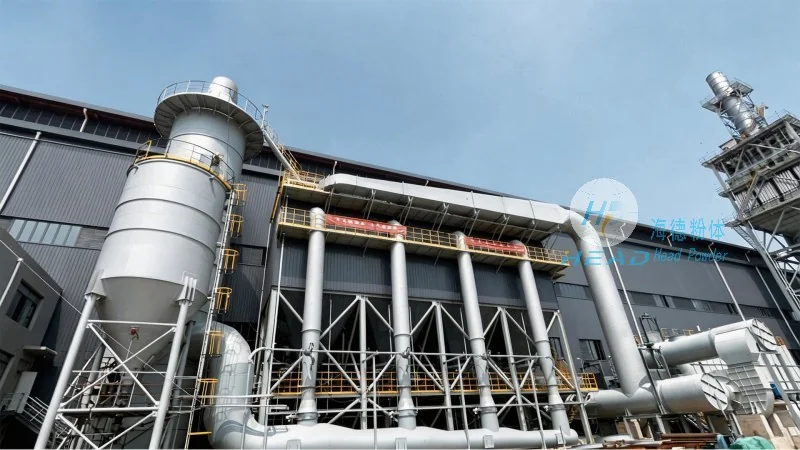
There are two main types of pneumatic conveying systems used for stone chippings: dilute phase and dense phase. Dilute phase systems operate at higher air velocities, typically 20-30 meters per second, and are suitable for short to medium distances. Dense phase systems, on the other hand, operate at lower velocities and higher material concentrations, making them ideal for longer distances and more challenging applications. The choice between these systems depends on factors such as the distance to be covered, the material's properties, and the required flow rate.
During operation, the system maintains a consistent air pressure and flow rate to ensure that the material is conveyed without clogging or excessive wear. The feed mechanism adjusts the material input based on the system's demand, while the air compressor provides the necessary power. The receiver collects the material and may include a discharge valve or a hopper to control the outflow. The entire process is automated, reducing the need for manual intervention and improving operational efficiency.
Advantages of Using Pneumatic Conveying for Stone Chippings
Implementing pneumatic conveying equipment for stone chippings offers several significant advantages over traditional methods. First, it eliminates the need for open transport, reducing material spillage and environmental contamination. This is particularly important for construction sites where dust and debris can affect air quality and worker safety. Second, the sealed system prevents dust from being released into the environment, contributing to better air quality and compliance with environmental regulations.
Third, pneumatic conveying systems are highly flexible and can be easily integrated into existing production lines. They can transport materials over long distances without the need for multiple transfer points, reducing the overall footprint of the facility. Additionally, the system can handle a wide range of material sizes and shapes, making it suitable for various applications, from small chippings to larger gravel pieces.
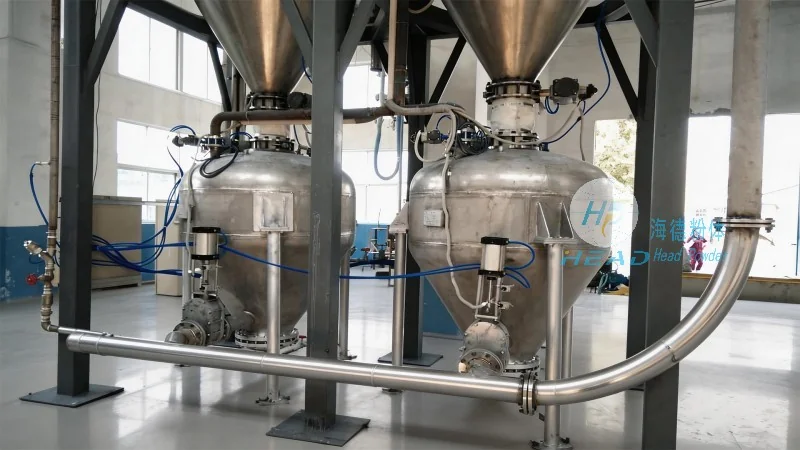
Fourth, the automated operation of the system reduces labor costs and increases productivity. With minimal manual intervention required, the system can operate continuously, maximizing material throughput. The durability of the components, especially those made of stainless steel, ensures a long service life, reducing maintenance and replacement costs over time.
Applications and Industries
Stone chippings pneumatic conveying equipment is widely used in various industries where bulk material handling is essential. In the construction industry, it is used to transport stone chippings from quarries to construction sites, ensuring a steady supply of materials for road building, concrete production, and landscaping projects. In the mining industry, it is used to transport crushed stone from processing plants to storage or shipping areas. Additionally, it is utilized in the agricultural sector for handling gravel and other materials used in soil improvement and irrigation systems.
Conclusion
HeadPowder's stone chippings pneumatic conveying equipment represents a reliable and efficient solution for handling bulk materials in various industrial applications. With its robust structural design and advanced operational principles, the system offers significant advantages over traditional transport methods, including reduced spillage, improved air quality, and increased productivity. Based in Shandong, China, HeadPowder continues to innovate and provide high-quality pneumatic conveying systems tailored to meet the specific needs of its clients. By understanding the structure and working principle of this equipment, businesses can make informed decisions about implementing pneumatic conveying in their operations, ultimately enhancing their overall efficiency and sustainability.




