HeadPowder, a leading manufacturer based in Shandong, China, specializes in the design and production of high-efficiency pneumatic conveying systems tailored for various bulk materials, including sesame. This article delves into the operation process and working principle of their sesame material pneumatic conveying machines, highlighting how these systems enhance efficiency and reliability in material handling operations.
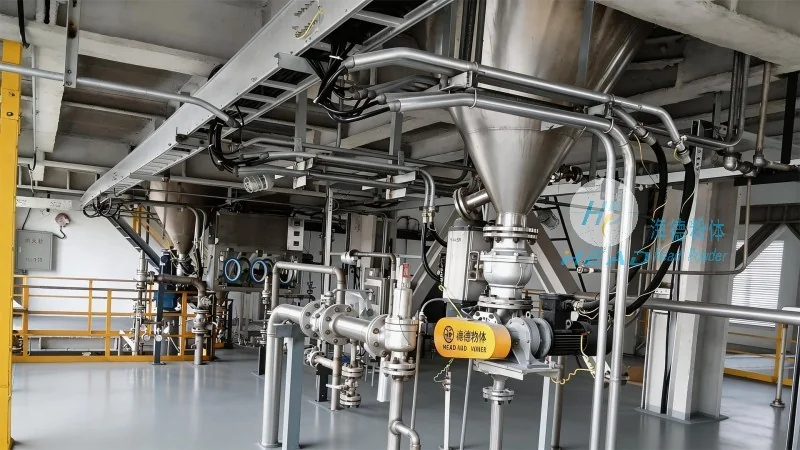
Introduction to Sesame Material Pneumatic Conveying Systems
HeadPowder Engineering Co., Ltd., headquartered in Shandong, China, is dedicated to providing advanced pneumatic conveying solutions for industries dealing with sesame and other similar bulk materials. The company’s expertise lies in developing customized systems that ensure smooth, dust-free, and energy-efficient material transport. Pneumatic conveying systems for sesame processing are crucial for maintaining product quality, reducing labor costs, and optimizing production lines. These systems utilize air as the primary medium to transport sesame grains or powders from one location to another, eliminating the need for traditional mechanical conveyors that may cause contamination or damage to the product.
Working Principle of Pneumatic Conveying for Sesame
The core principle of pneumatic conveying involves using compressed air to create a flow that moves the material through a pipeline. In the case of sesame material handling, the system typically operates under positive pressure, where air is forced through the conveying line, carrying the sesame particles along. The process begins with the material being fed into a hopper or feeder, which regulates the flow rate. From there, the material is drawn into the conveying line by the air flow, moving through the pipeline to the discharge point. The air velocity is carefully controlled to ensure the material is transported without segregation or degradation. The system may include components such as a rotary valve, a filter, and a silencer to manage the air flow and maintain system efficiency.
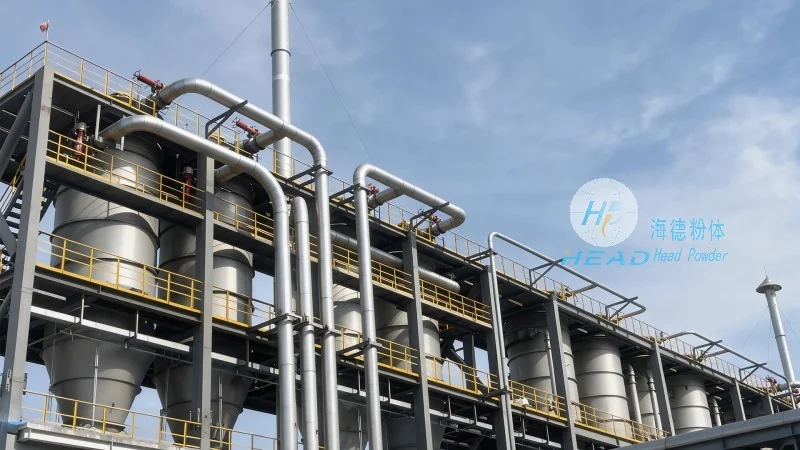
Step-by-Step Operation Process of the Sesame Pneumatic Conveying Machine
The operation of a sesame material pneumatic conveying machine involves several key steps, each designed to ensure optimal performance and material handling. First, the system is started by activating the air compressor, which generates the necessary pressure for conveying. The air compressor is connected to the conveying line, and the pressure is adjusted to the required level based on the material characteristics and pipeline length. Next, the sesame material is fed into the hopper using a feeder, which may be a screw feeder or a rotary valve, depending on the system design. The feeder controls the flow rate, ensuring a consistent supply of material to the conveying line. As the material enters the pipeline, it is carried by the high-velocity air stream, moving through the entire system. The conveying line may include bends, expansions, or reductions, which are designed to minimize pressure loss and maintain the air flow velocity. At the discharge end, the material is collected in a receiving hopper or storage bin. The system also includes a filter to remove any dust or particles from the air, ensuring that the air is clean and can be recycled or vented safely. The entire process is automated, with sensors and controls monitoring the pressure, flow rate, and material level to maintain optimal operation.
Key Components and Their Functions in the Sesame Pneumatic Conveying System
Several critical components work together to ensure the efficient operation of the sesame pneumatic conveying system. The air compressor is the heart of the system, providing the necessary pressure to move the material. It is typically a rotary screw or reciprocating compressor, chosen based on the required pressure and flow rate. The conveying line is made of durable materials such as stainless steel or plastic, designed to withstand the pressure and prevent leakage. The hopper and feeder are essential for controlling the material flow, with the hopper storing the sesame and the feeder regulating the discharge rate. The filter and silencer are important for maintaining air quality and reducing noise. The filter removes any dust or particles from the air, preventing contamination of the material and ensuring the air can be recycled. The silencer reduces the noise generated by the compressor and air flow, making the system more user-friendly. Additionally, the system may include a pressure regulator to maintain consistent pressure and a flow meter to monitor the air flow rate.
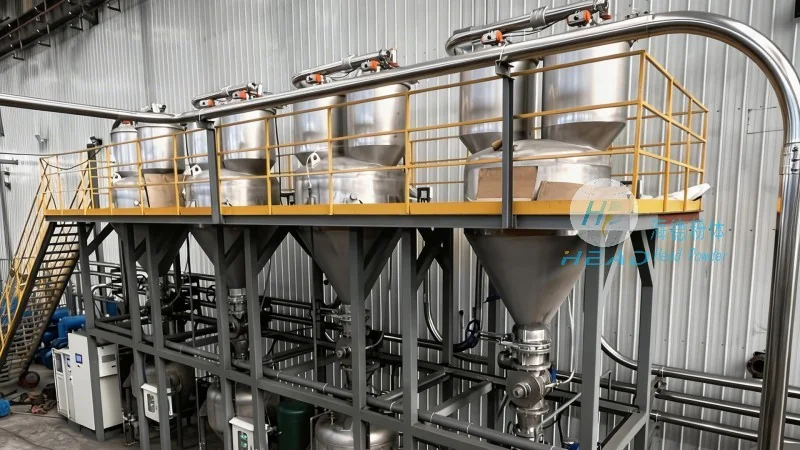
Advantages of Using Pneumatic Conveying for Sesame Processing
Implementing a pneumatic conveying system for sesame processing offers numerous advantages over traditional mechanical conveyors. First, it provides a dust-free environment, which is crucial for maintaining the quality and hygiene of sesame products. The enclosed system prevents dust from spreading, reducing the risk of contamination and improving overall product safety. Second, pneumatic conveying is more energy-efficient compared to mechanical systems, as it uses less power to transport the material over long distances. The system also reduces labor costs, as it requires less manual handling and maintenance. Additionally, the system is more flexible, allowing for easy integration into existing production lines and modifications to accommodate changing production needs. The enclosed design also minimizes product damage, as the material is not subjected to mechanical stress or friction. Finally, the system is more hygienic, as it prevents cross-contamination and makes cleaning easier, which is essential for food processing applications.
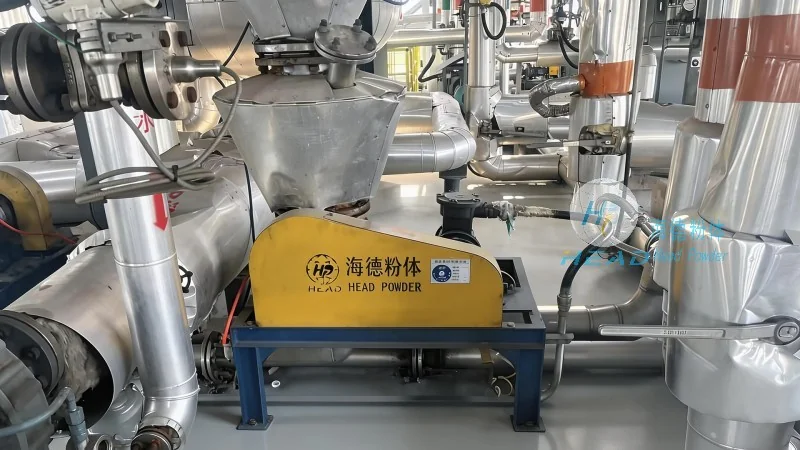
Application Scenarios and Customization Options
HeadPowder’s sesame material pneumatic conveying systems are suitable for a wide range of applications in the food processing industry. These systems are commonly used in sesame processing plants for transporting raw sesame seeds from storage to processing equipment, such as hullers or roasters. They are also used in the production of sesame oil, where the system transports the crushed sesame seeds to the extraction equipment. Additionally, the systems can be used in the packaging process, where the processed sesame is conveyed to the packaging line. The company offers customization options to meet the specific needs of each client, including different conveying capacities, pipeline lengths, and material types. The systems can be designed for both positive and negative pressure operation, depending on the application requirements. HeadPowder also provides maintenance and support services to ensure the long-term performance and reliability of the systems.
Conclusion: Enhancing Efficiency with Pneumatic Conveying Technology
HeadPowder Engineering Co., Ltd. provides advanced pneumatic conveying solutions for sesame material handling, combining efficiency, reliability, and hygiene. The operation process and working principle of these systems ensure smooth and consistent material transport, while the key components work together to maintain optimal performance. The advantages of using pneumatic conveying, such as dust-free operation and energy efficiency, make it an ideal choice for sesame processing plants. With customization options and comprehensive support services, HeadPowder helps clients enhance their production efficiency and product quality. By investing in a pneumatic conveying system, sesame processing facilities can improve their operational performance and stay competitive in the market.




