HeadPowder, a leading manufacturer based in Shandong, China, specializes in the design and production of advanced pneumatic conveying systems tailored for fertilizer handling. This article delves into the operation process and working principle of fertilizer material pneumatic conveying machines, highlighting their efficiency, reliability, and the technical aspects that make them indispensable in modern agricultural and industrial applications.
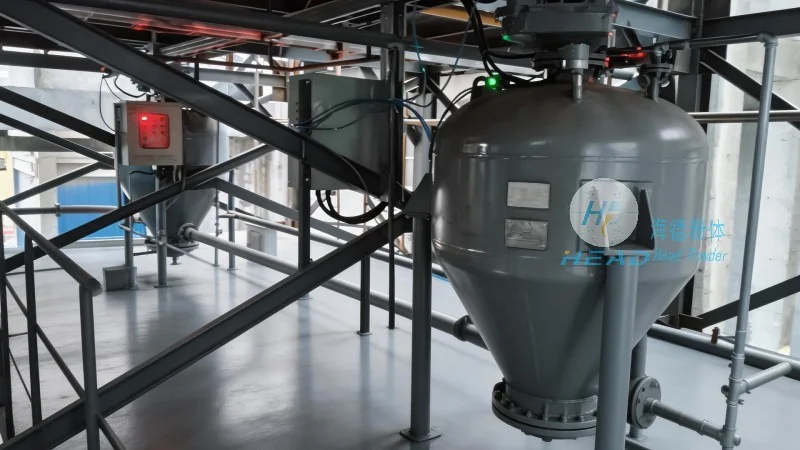
Key Components of Pneumatic Conveying Systems
A typical fertilizer material pneumatic conveying machine consists of several critical components that work in tandem to ensure smooth material transport. These include the hopper, which serves as the storage and feeding unit; the air compressor or blower, responsible for generating the necessary air pressure; the pipeline system, which transports the material; and the control system that regulates the entire process. Each component plays a vital role in maintaining the system's performance and safety.
The Working Principle of Pneumatic Conveying
The core working principle of fertilizer material pneumatic conveying machines is based on the use of compressed air to move bulk materials through a pipeline. When the air compressor operates, it generates high-pressure air that is introduced into the hopper. As the air flows, it lifts and transports the fertilizer particles along the pipeline. The velocity and pressure of the air are carefully controlled to ensure that the material is conveyed without causing blockages or excessive wear on the system components. This method eliminates the need for mechanical components like belts or screws, reducing maintenance requirements and enhancing operational efficiency.
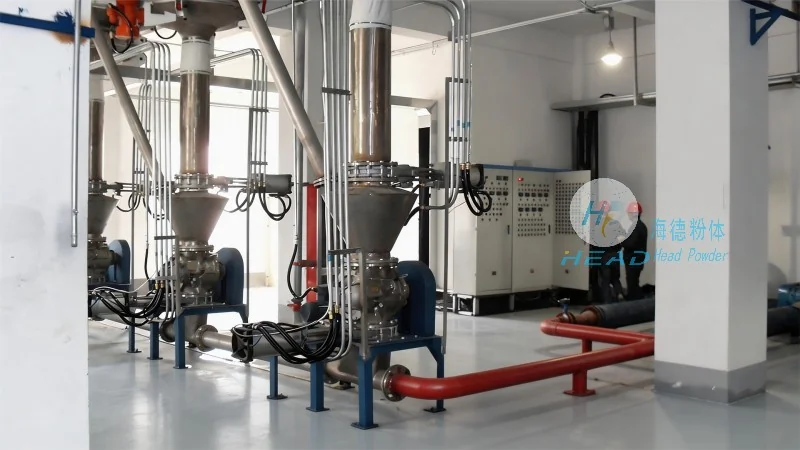
Operation Process: Step-by-Step Overview
The operation process of a fertilizer material pneumatic conveying machine involves several sequential steps. First, the fertilizer is loaded into the hopper from a storage silo or truck. The control system then activates the air compressor, which starts to generate compressed air. Simultaneously, the feeder mechanism in the hopper begins to release the material into the pipeline. The compressed air then propels the fertilizer particles through the pipeline to the discharge point, where they are collected in a receiving tank or storage facility. The system continuously monitors air pressure, flow rate, and material level to maintain optimal performance and prevent any operational issues.
Advantages of Pneumatic Conveying for Fertilizer Handling
Utilizing pneumatic conveying systems for fertilizer handling offers numerous advantages over traditional methods. These include reduced labor costs due to automated operation, minimized material degradation as the system avoids direct contact with mechanical parts, and enhanced safety by eliminating the need for manual handling of bulk materials. Additionally, the systems are highly flexible, allowing for easy integration with existing production lines and the ability to transport materials over long distances without significant loss of quality or efficiency.
Applications in Agricultural and Industrial Sectors
Fertilizer material pneumatic conveying machines are widely used in both agricultural and industrial settings. In agriculture, they are employed in fertilizer manufacturing plants to transport raw materials and finished products from storage to packaging or distribution centers. In industrial applications, they are used in chemical processing facilities and other industries that handle bulk solids, where the need for efficient and reliable material transport is critical. The versatility of these systems makes them suitable for various fertilizer types, including granular, powdered, and liquid-based formulations.
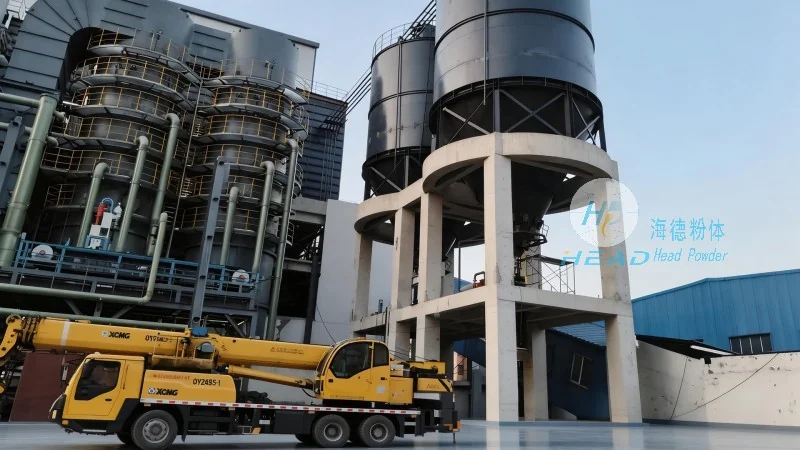
Maintenance and Operational Considerations
To ensure the longevity and optimal performance of fertilizer material pneumatic conveying machines, regular maintenance is essential. This includes checking air compressor performance, inspecting pipeline for blockages or leaks, and cleaning the hopper and feeder mechanisms to prevent material buildup. Additionally, the control system should be regularly calibrated to maintain precise control over air pressure and material flow. Proper maintenance not only extends the lifespan of the equipment but also minimizes downtime and ensures consistent product quality.
Conclusion
HeadPowder's fertilizer material pneumatic conveying machines represent a sophisticated solution for efficient and reliable fertilizer handling. By understanding the operation process and working principle of these systems, users can appreciate the technological advancements that contribute to improved productivity and safety in agricultural and industrial operations. With its headquarters in Shandong, China, HeadPowder continues to innovate and provide high-quality pneumatic conveying solutions tailored to the specific needs of the fertilizer industry.




