Efficient and reliable transport of tailings is a critical aspect of modern mining operations. The selection of an appropriate conveying system directly impacts operational efficiency, cost-effectiveness, and environmental compliance. Among the various technologies available, air-driven (pneumatic) conveying stands out as a versatile and effective solution for handling tailings. This article explores several key approaches to air-driven tailings transport, highlighting the advantages and practical considerations for each method.
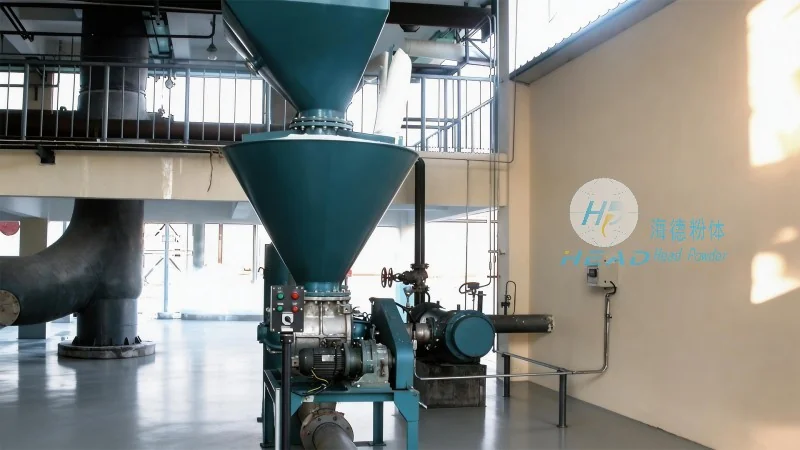
Overview of Air-Driven Tailings Transport
Before delving into specific solutions, it is essential to understand the fundamental principles of air-driven conveying. This technology utilizes a stream of air to transport particulate materials through a pipeline system. The process involves creating a pressure differential that propels the tailings material along the pipeline, often with the aid of airlocks or feeders at the inlet and discharge points. The choice of system depends on factors such as the particle size distribution, moisture content, and the distance and elevation changes required for transport.
Option 1: Positive Pressure Conveying Systems
Positive pressure conveying systems are among the most common solutions for tailings transport. In this method, air is supplied under pressure at the inlet of the pipeline, creating a positive pressure zone that pushes the tailings material forward. The system typically consists of a blower or compressor, a feed hopper, and a pipeline network. The positive pressure ensures that the material is continuously moved through the system, minimizing the risk of blockages and ensuring consistent flow rates. This approach is particularly effective for shorter distances and moderate elevation changes, making it suitable for on-site or nearby tailings disposal facilities.
Option 2: Negative Pressure (Vacuum) Conveying Systems
Negative pressure or vacuum conveying systems operate by creating a vacuum at the discharge end of the pipeline. This vacuum draws the tailings material from the source and pulls it through the pipeline to the collection point. The system includes a vacuum pump, a suction hopper, and a pipeline network. Negative pressure systems are advantageous for applications requiring the transport of materials over longer distances or with significant elevation drops, as the vacuum can overcome gravity and maintain flow. They are also well-suited for handling materials with higher moisture content or larger particle sizes, as the vacuum helps to maintain the integrity of the material stream.
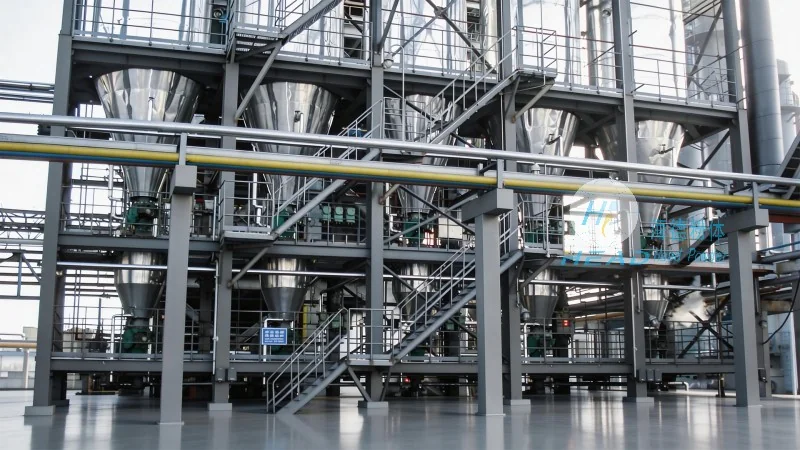
Option 3: Hybrid Conveying Systems
Hybrid systems combine elements of both positive and negative pressure technologies to address specific operational challenges. These systems may use a positive pressure blower at the inlet to assist with initial material movement and a vacuum pump at the discharge end to ensure efficient collection. The hybrid approach allows for greater flexibility in handling varying particle sizes and moisture levels, as well as accommodating different distances and elevation profiles. For example, a hybrid system might use positive pressure to move tailings from the mine site to a central collection point and then switch to vacuum to transport the material to the final disposal site. This flexibility makes hybrid systems a popular choice for complex tailings management scenarios.
Key Considerations for Tailings Transport Solutions
When selecting an air-driven tailings transport solution, several critical factors must be considered to ensure optimal performance and cost-effectiveness. The first is the material characteristics, including particle size, density, and moisture content. These properties directly influence the required air flow rate and pressure, as well as the potential for blockages or abrasion of the pipeline. For instance, fine-grained tailings may require higher air velocities to maintain flow, while coarser materials may need larger diameter pipelines to prevent clogging.
Another important consideration is the distance and elevation changes between the source and disposal site. Positive pressure systems are generally more suitable for shorter distances and moderate elevations, while vacuum systems excel at longer distances or when significant elevation drops are present. The choice of system must also account for the environmental impact, as air-driven conveying can reduce the need for heavy machinery and minimize ground disturbance compared to traditional trucking methods.
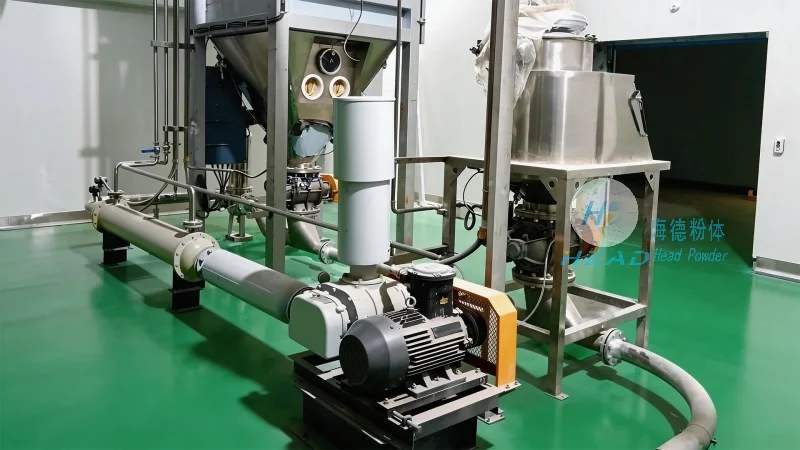
Case Study: Implementation by Shandong HeadPowder Engineering Co., Ltd.
Shandong HeadPowder Engineering Co., Ltd., a leading provider of tailings management solutions, has successfully implemented various air-driven conveying systems for clients across China. The company specializes in designing and manufacturing customized conveying equipment tailored to the specific needs of mining operations. For example, one project involved the installation of a positive pressure system to transport tailings from a gold mine in Shandong to a nearby disposal pond. The system, equipped with a high-efficiency blower and a robust pipeline network, achieved a consistent flow rate of 200 tons per hour while maintaining low operational costs. The success of this project highlights the effectiveness of positive pressure conveying for on-site tailings management.
In another application, HeadPowder Engineering deployed a hybrid vacuum system for a copper mine in the region. The system combined a positive pressure blower at the mine site with a vacuum pump at the disposal facility, allowing for the transport of tailings over a distance of 5 kilometers with a 200-meter elevation drop. The hybrid approach enabled the mine to meet its environmental discharge targets while reducing trucking costs by 60%. This case study demonstrates the versatility and adaptability of hybrid conveying systems in complex mining environments.
Conclusion and Future Directions
As mining operations continue to evolve, the demand for efficient and sustainable tailings transport solutions will remain high. Air-driven conveying technologies, including positive pressure, negative pressure, and hybrid systems, offer effective alternatives to traditional methods, providing benefits such as reduced environmental impact, lower operational costs, and improved safety. Companies like Shandong HeadPowder Engineering Co., Ltd. play a crucial role in advancing these technologies by providing tailored solutions that address the unique challenges of each mining project. By carefully evaluating material characteristics, distance, and operational requirements, mining companies can select the most appropriate air-driven tailings transport system to enhance their overall efficiency and sustainability.




