HeadPowder, a leading engineering firm based in Shandong, China, specializes in the design, manufacturing, and installation of advanced pneumatic conveying systems for cement dry ash materials. This article provides a detailed overview of the operation process and working principle of such systems, highlighting their efficiency, reliability, and industrial applications.
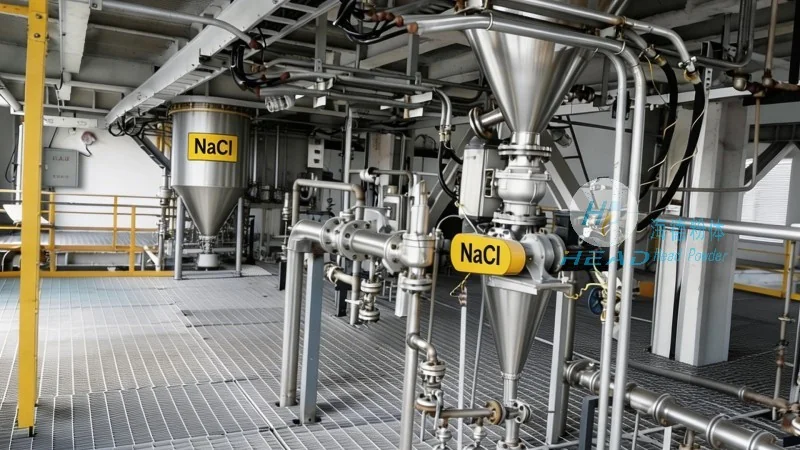
Understanding Pneumatic Conveying Systems for Cement Dry Ash
Pneumatic conveying systems are essential in the cement industry for transporting dry ash materials over long distances with minimal dust and environmental impact. These systems utilize air pressure to move bulk materials through a network of pipes, ensuring a continuous and controlled flow. The technology is particularly advantageous for handling fine, dusty materials like cement ash, as it reduces the risk of contamination and operational hazards compared to traditional mechanical conveying methods.
Key Components and Their Functions
The core components of a cement dry ash pneumatic conveying line include the material hopper, air compressor, conveyor pipes, control valves, and dust collection systems. Each component plays a critical role in the overall operation:
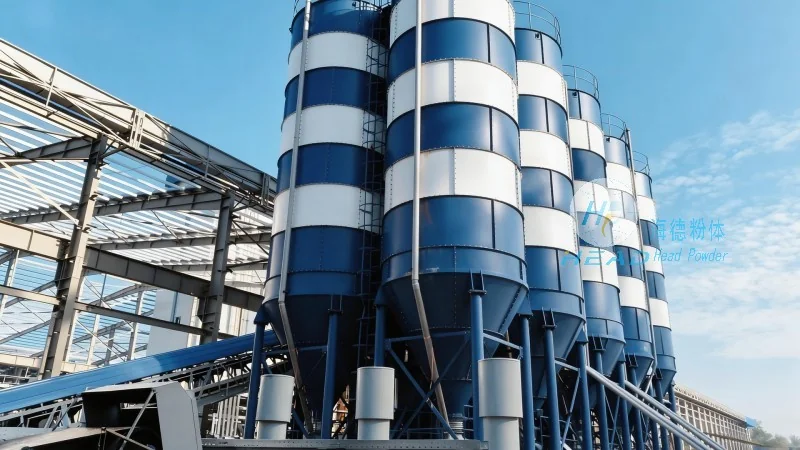
- Material Hopper: Stores the dry ash material and feeds it into the system at a controlled rate. It is designed to prevent material bridging and ensure consistent supply.
- Air Compressor: Generates the necessary air pressure to move the material through the pipes. The compressor’s capacity is matched to the system’s requirements to maintain optimal flow rates.
- Conveyor Pipes: The main pathway for transporting the material. These pipes are typically made of durable materials like stainless steel or plastic to withstand the abrasive nature of cement ash and prevent corrosion.
- Control Valves: Regulate the air flow and material discharge, allowing for precise control over the conveying process. This ensures that the system operates efficiently and safely under varying conditions.
- Dust Collection System: Captures and filters any airborne particles, ensuring compliance with environmental regulations and maintaining a clean working environment.
The Operation Process: Step-by-Step
The operation of a cement dry ash pneumatic conveying line follows a systematic sequence to ensure smooth material transport:
- Material Loading: Dry ash is loaded into the material hopper from a storage silo or truck. The hopper’s design allows for uniform material distribution, preventing blockages.
- Air Compression: The air compressor starts and increases the air pressure within the system. This pressurized air is then introduced into the conveyor pipes.
- Material Suspension: As the air flows through the pipes, it lifts and suspends the dry ash particles, creating a slurry-like mixture. The air velocity is carefully controlled to maintain the material in suspension without causing excessive wear on the pipes.
- Transportation: The suspended material is carried through the conveyor pipes to the destination point, such as a storage silo or processing plant. The system’s design ensures that the material reaches the end point without significant loss or degradation.
- Discharge and Collection: At the end of the conveyor line, the material is discharged into the receiving hopper. The air is then filtered and released, while the collected dust is processed or disposed of according to environmental standards.
Working Principle: How It Works
The working principle of a pneumatic conveying system for cement dry ash is based on the interaction between air flow and material particles. The system operates on the principle of fluidization, where the air flow creates a turbulent environment that keeps the material suspended. This process is achieved through the following mechanisms:
- Positive Pressure Conveying: In this mode, the air compressor supplies pressurized air to the entire system, pushing the material forward. This method is suitable for short to medium distances and is commonly used in industrial settings.
- Negative Pressure Conveying: Here, the system operates under a vacuum, drawing the material into the pipes using the air compressor. This approach is ideal for long-distance transport and is often used in applications where the material needs to be transported from multiple sources to a single destination.
Advantages of Pneumatic Conveying for Cement Dry Ash
Compared to traditional conveying methods, pneumatic systems offer several advantages for handling cement dry ash:
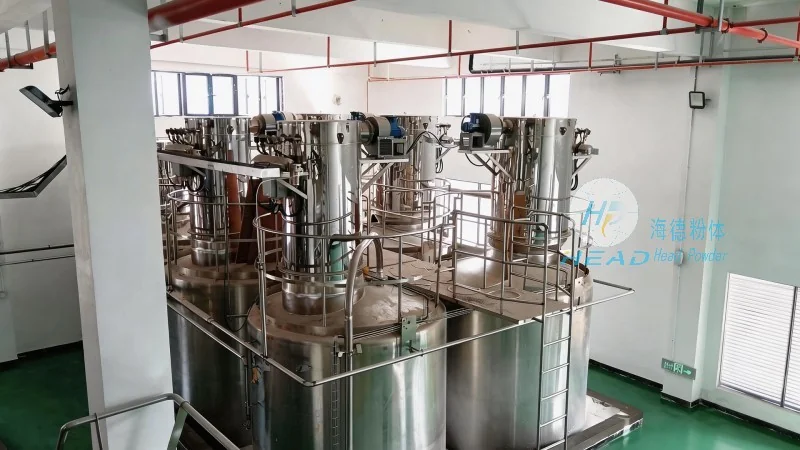
- Reduced Dust and Environmental Impact: The enclosed system minimizes dust emissions, making it environmentally friendly and compliant with regulations.
- Efficient and Continuous Operation: The system can operate continuously without the need for frequent stops, improving productivity and reducing labor costs.
- Low Maintenance: With fewer moving parts compared to mechanical conveyors, pneumatic systems require less maintenance, resulting in lower operational costs over time.
- Flexibility in Layout: The use of pipes allows for flexible installation, enabling the system to be adapted to various plant layouts and spatial constraints.
Applications in the Cement Industry
Cement dry ash pneumatic conveying lines are widely used in various applications within the cement industry, including:
- Raw Material Transport: Moving raw materials like limestone, clay, and ash from storage to the production plant.
- Waste Material Handling: Conveying ash and other byproducts from kilns to disposal or recycling facilities.
- Product Distribution: Transporting finished cement products to storage silos or shipping points.
Conclusion
HeadPowder’s expertise in designing and implementing cement dry ash pneumatic conveying systems ensures that industrial facilities can achieve efficient, reliable, and environmentally friendly material transport. By understanding the operation process and working principles, businesses can optimize their operations and improve overall productivity. With a focus on quality and innovation, HeadPowder continues to provide cutting-edge solutions for the cement industry’s material handling needs.




