For agricultural and food processing industries, the efficient handling of bulk materials like potatoes is crucial for maintaining productivity and product quality. Pneumatic conveying systems offer a reliable solution for transporting potato materials from storage to processing units. This article provides an in-depth look at the operation process and working principles of potato material pneumatic conveying lines, highlighting the key components and the step-by-step workflow involved.
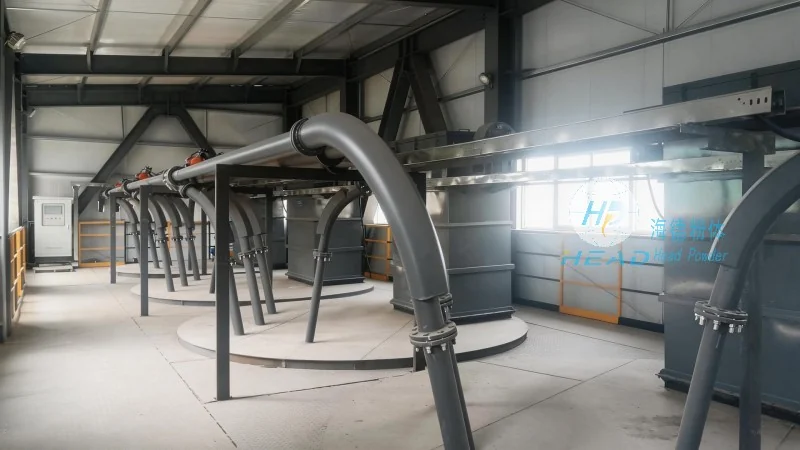
Key Components of the Pneumatic Conveying System
The pneumatic conveying line for potato materials typically consists of several essential components that work in tandem to ensure smooth material transport. These components include a hopper for material storage, a feeder to control the flow rate, a conveyor pipe system, a blower or compressor to generate the air flow, and a receiver for the discharged material. Each component plays a critical role in the overall system performance, and their proper integration is vital for efficient operation.
Working Principle of the Pneumatic Conveying Process
The working principle of a potato material pneumatic conveying line is based on the use of air to move the solid particles through a pipeline. The process begins with the material being fed into the hopper. The feeder then regulates the flow of potatoes into the conveyor pipe. Simultaneously, the blower generates a high-pressure air stream that propels the material forward. As the air and material mixture travels through the pipe, the potatoes are carried by the air flow, overcoming gravitational forces and any resistance in the system. The receiver at the end of the line collects the discharged potatoes, completing the transport cycle.
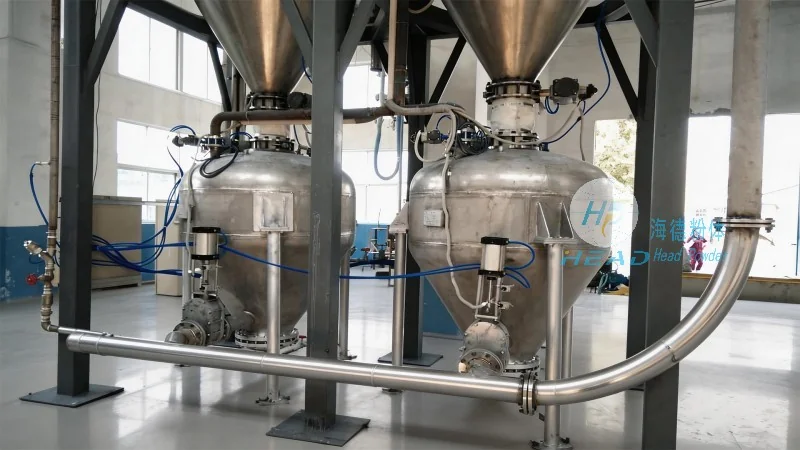
Step-by-Step Operation Process
The operation of a potato material pneumatic conveying line follows a systematic sequence of steps to ensure consistent and reliable material transport. The process starts with the loading of potatoes into the hopper. The feeder then adjusts the discharge rate to match the required throughput. The blower is activated, creating the necessary air pressure to initiate the conveying process. As the air flow increases, the potatoes are drawn into the conveyor pipe and transported to the receiver. The receiver is designed to separate the material from the air, allowing the potatoes to be collected in a clean and efficient manner. The system then returns to the initial state, ready for the next batch of material.
Advantages of Using Pneumatic Conveying for Potato Handling
Employing a pneumatic conveying system for potato material handling offers several advantages over traditional methods such as belt conveyors or manual handling. The primary benefit is the ability to transport materials in a closed system, which helps maintain hygiene and prevents contamination. Additionally, pneumatic conveyors can handle a wide range of particle sizes and shapes, making them suitable for various potato processing applications. The system also reduces labor costs and operational downtime, as it requires minimal maintenance and can operate continuously without interruption.
Application in Potato Processing Facilities
Potato material pneumatic conveying lines are widely used in potato processing facilities for tasks such as transferring raw potatoes from storage silos to washing and peeling machines, moving processed potatoes to packaging lines, and transporting waste materials to disposal units. The flexibility of the system allows it to be integrated into existing processing lines, enhancing overall operational efficiency. By automating the material handling process, these systems contribute to higher productivity and better quality control in potato processing operations.
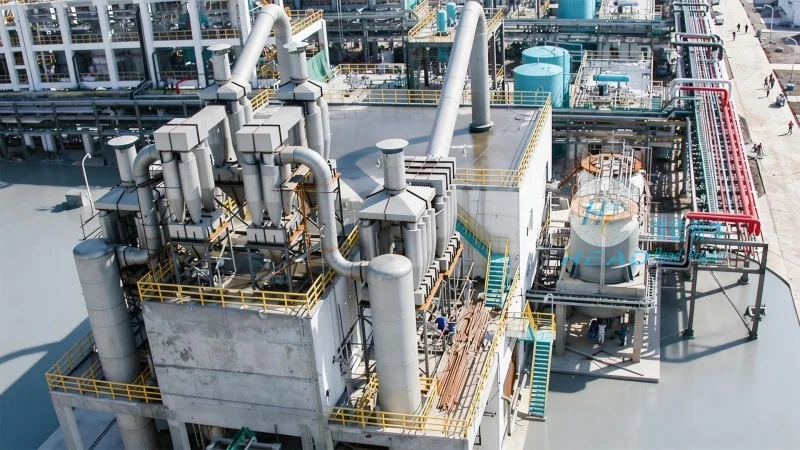
Maintenance and Operational Considerations
To ensure the long-term reliability and efficiency of a potato material pneumatic conveying line, regular maintenance is essential. This includes checking the blower performance, inspecting the conveyor pipes for blockages or wear, and maintaining the feeder and hopper components. Proper maintenance schedules help prevent system failures and reduce downtime. Additionally, operators should monitor the air pressure and flow rates to ensure optimal performance. By adhering to these operational considerations, the system can operate at its peak efficiency, delivering consistent results for potato material transport.
Conclusion
In conclusion, the operation process and working principles of potato material pneumatic conveying lines are designed to provide an efficient and reliable method for handling bulk potato materials. By understanding the key components and the step-by-step workflow, users can appreciate how these systems enhance productivity and maintain product quality in agricultural and food processing industries. The integration of such systems by companies like Shandong HeadPowder Engineering Co., Ltd. reflects the industry's commitment to advanced material handling solutions that meet the demands of modern potato processing operations.




