Operation Process and Working Principle of Rice Bran Material Pneumatic Conveying Line
Release time:2026-09-21 13:01:47
name of the company:Shandong Headpowder Engineering Co., Ltd.
telephone:156-6277-7102
contacts:Zhang manager
HeadPowder, a leading engineering company based in Shandong, China, specializes in the design, manufacturing, and installation of advanced pneumatic conveying systems. This article provides a detailed overview of the operation process and working principle of a rice bran material pneumatic conveying line, highlighting the key components, operational procedures, and technical aspects that ensure efficient and reliable material handling.
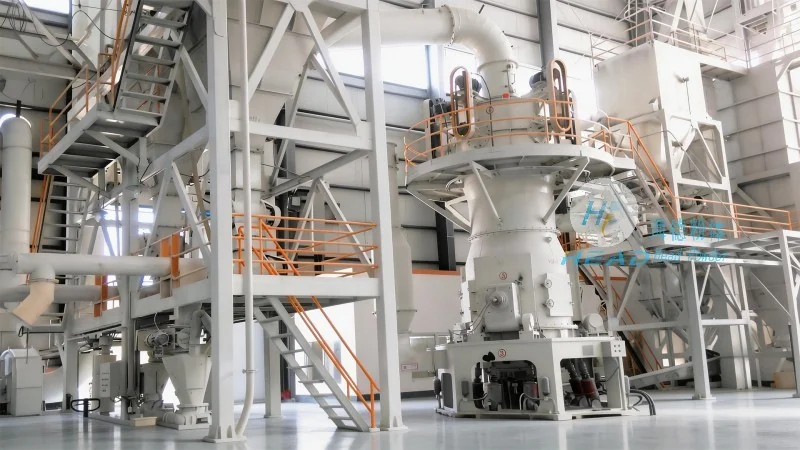
Introduction to Rice Bran Material Pneumatic Conveying
Rice bran is a byproduct of rice milling, rich in nutrients and widely used in food, feed, and industrial applications. Handling rice bran efficiently is crucial for maintaining product quality and optimizing production processes. Pneumatic conveying systems offer a dust-free, hygienic, and flexible solution for transporting rice bran from storage silos to processing units or packaging areas. The system designed by HeadPowder Engineering Co., Ltd. is tailored to meet the specific demands of rice bran handling, ensuring minimal product degradation and maximum operational efficiency.
Key Components of the Pneumatic Conveying Line
The rice bran pneumatic conveying line consists of several critical components that work in tandem to facilitate material transport. These components include:
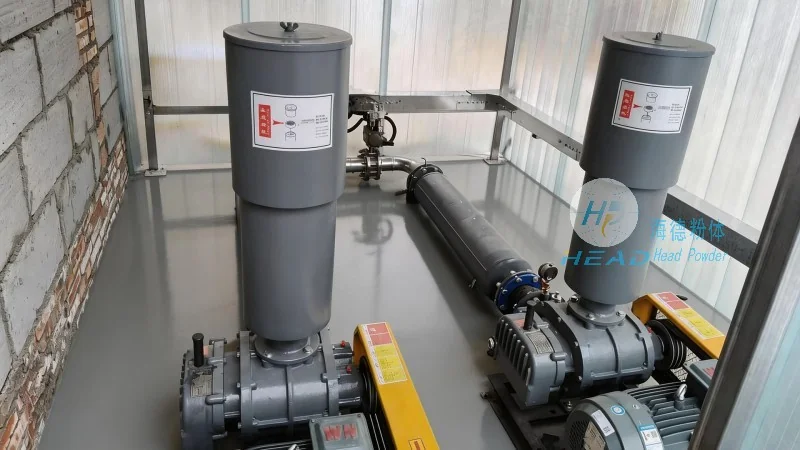
- Source Hopper: A large storage hopper where rice bran is initially collected and stored before being fed into the conveying system. The hopper is equipped with a rotary valve or a feeder to control the flow rate of the material.
- Feeder: A device that regulates the flow of rice bran from the source hopper into the conveying line. The feeder ensures a consistent and controlled feed rate, preventing overloading or underfeeding of the system.
- Pneumatic Conveying Pipe: The main pipeline through which compressed air and rice bran travel. The pipe is typically made of stainless steel or other corrosion-resistant materials to withstand the abrasive nature of rice bran and maintain hygiene standards.
- Compressor and Air Treatment Unit: A high-pressure air compressor that generates the necessary airflow to move the rice bran through the pipeline. The air treatment unit includes filters and dryers to ensure the air is clean and dry, preventing moisture buildup and material caking.
- Control System: An automated control system that monitors and regulates the operation of the entire conveying line. The system uses sensors and controllers to adjust air pressure, flow rate, and material feed, ensuring optimal performance and preventing system failures.
- Receiving Hopper or Processing Unit: The final destination where rice bran is deposited after being conveyed. This component may be integrated with processing equipment such as mills, extruders, or packaging machines.
Working Principle of the Pneumatic Conveying System
The operation of the rice bran pneumatic conveying line is based on the principle of pneumatic transport, where material is suspended and transported by a stream of compressed air. The process can be divided into several stages:
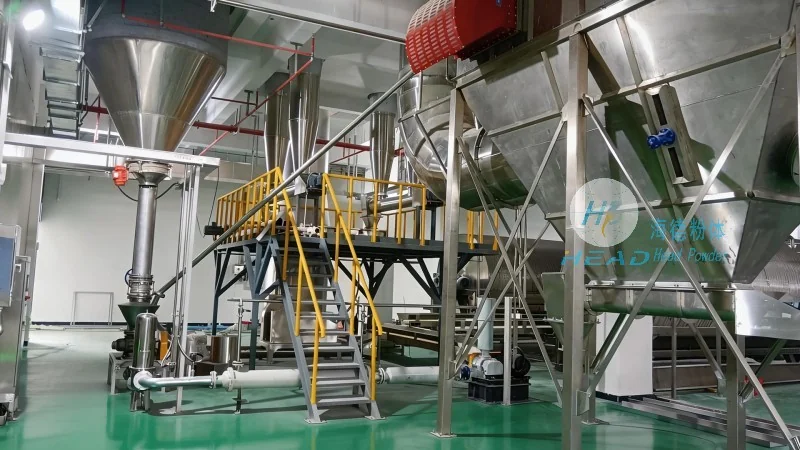
- Material Feeding: Rice bran is fed from the source hopper into the feeder at a controlled rate. The feeder ensures a steady flow of material, preventing blockages or uneven distribution.
- Air Injection: Compressed air from the compressor is introduced into the conveying pipe at a specific pressure and flow rate. The air creates a low-pressure zone in the pipe, which draws the rice bran particles into the air stream.
- Suspension and Transport: The rice bran particles are suspended in the air stream and carried along the pipeline. The air velocity is maintained at a level sufficient to keep the particles airborne, preventing deposition or clogging.
- Deceleration and Deposition: As the conveying line approaches the receiving hopper or processing unit, the air velocity is reduced. The rice bran particles are then deposited into the receiving container due to gravity and the reduced air flow.
- Air Exhaust and Filtration: The exhaust air, now containing fine particles of rice bran, passes through a filtration system. The filter captures the particles, preventing dust emissions and maintaining air quality.
Operation Process of the Rice Bran Pneumatic Conveying Line
The operation process of the rice bran pneumatic conveying line involves a series of steps that ensure smooth and continuous material transport. The process begins with the preparation of the system and proceeds as follows:
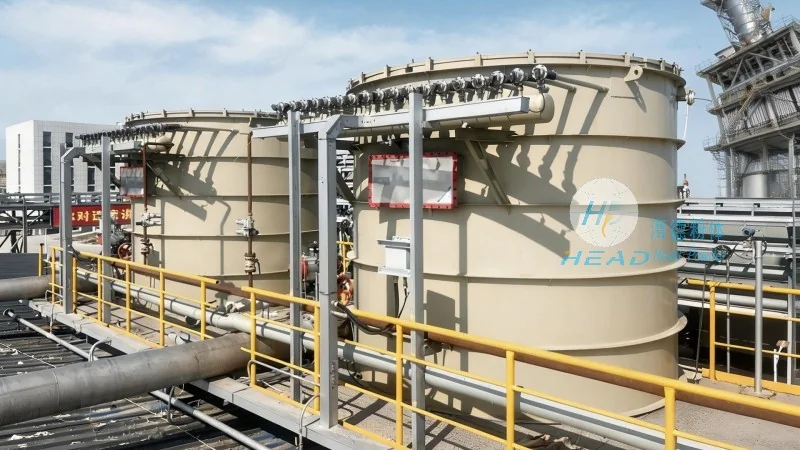
- System Preparation: Before starting the operation, the pneumatic conveying system is prepared by checking the air compressor, air treatment unit, and all components for proper functioning. The source hopper is filled with rice bran, and the feeder is adjusted to the desired flow rate.
- Start-up Procedure: The air compressor is turned on, and the air pressure is gradually increased to the operating level. The control system is activated, and the feeder is started to begin material feeding. The air treatment unit ensures that the air is clean and dry before it enters the conveying pipe.
- Continuous Operation: Once the system is running, the feeder maintains a consistent flow of rice bran into the conveying line. The compressed air transports the material to the receiving hopper or processing unit. The control system continuously monitors the system parameters, such as air pressure, flow rate, and material level, and adjusts them as needed to maintain optimal performance.
- Shutdown Procedure: When the operation is complete, the feeder is stopped first to prevent material from being fed into the system. The air compressor is then turned off, and the air pressure is gradually reduced. The system is checked for any residual material or air leaks before being shut down completely.
Advantages of the Rice Bran Pneumatic Conveying Line
The pneumatic conveying system for rice bran offers several advantages over traditional mechanical conveying methods. These advantages include:
- Dust-Free and Hygienic: The system operates in a closed pipeline, preventing dust emissions and maintaining a clean working environment. This is particularly important for food-grade applications where hygiene is critical.
- Flexible and Scalable: The system can be easily adjusted to handle varying flow rates and material types. It can be expanded or modified to accommodate increased production demands or changes in processing requirements.
- Reduced Product Degradation: The closed system minimizes exposure of rice bran to air and moisture, reducing the risk of oxidation, caking, or microbial growth. This helps maintain the nutritional quality and shelf life of the product.
- Energy Efficiency: Modern pneumatic conveying systems are designed to be energy-efficient, with optimized air flow and pressure control. This reduces operational costs and environmental impact.
- Low Maintenance: The system has fewer moving parts compared to mechanical conveyors, resulting in lower maintenance requirements and longer service life.
Conclusion
The rice bran material pneumatic conveying line designed by HeadPowder Engineering Co., Ltd. is a reliable and efficient solution for handling rice bran in various industrial applications. By understanding the operation process and working principle of the system, users can optimize its performance, ensure product quality, and achieve cost-effective material transport. With its advanced components and automated control system, this pneumatic conveying line represents a superior choice for rice bran handling, meeting the demands of modern food and industrial processing industries.




