Steel grit material handling systems are critical components in various industrial applications, particularly in manufacturing and processing sectors where efficient material transport is essential for productivity and operational efficiency. These systems are designed to handle abrasive steel grit particles, which are commonly used in surface treatment, polishing, and other industrial processes. The proper operation and understanding of these systems are crucial for maintaining optimal performance and ensuring the longevity of equipment. This article provides a detailed overview of the operation process and working principle of steel grit material handling systems, with a focus on the technical aspects and practical applications.
Introduction to Steel Grit Material Handling Systems
Steel grit, also known as steel shot or steel beads, is a type of abrasive material used in various industrial applications, including metal surface treatment, deburring, and polishing. The material handling systems designed for steel grit are engineered to efficiently transport these abrasive particles from storage to processing equipment. These systems typically consist of a combination of components, including hoppers, conveyors, and control mechanisms, all working in tandem to ensure smooth and continuous material flow. The primary goal of these systems is to minimize downtime, reduce labor costs, and enhance overall production efficiency by automating the material transport process.
Key Components of the Steel Grit Conveying System
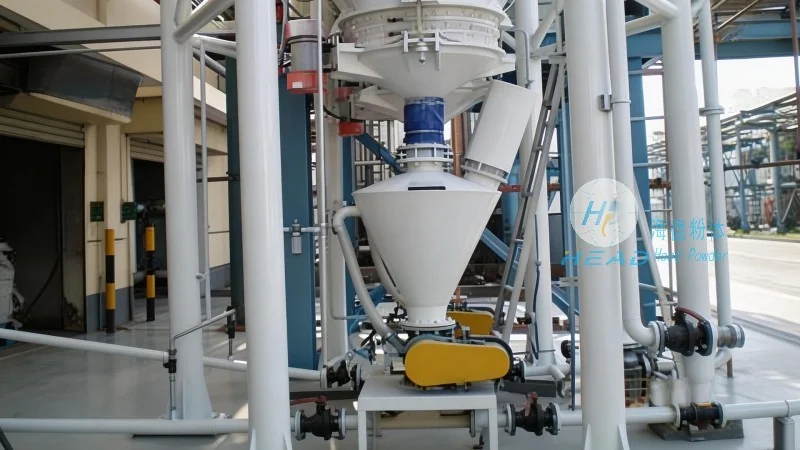
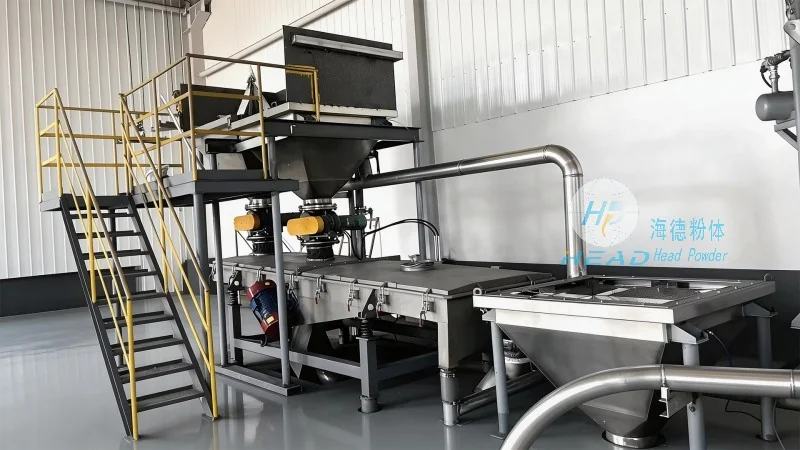
The steel grit conveying system comprises several key components that work together to facilitate the movement of steel grit particles. The main components include a storage hopper, a feeding mechanism, a conveyor system (such as a belt conveyor or screw conveyor), a drive unit, and a control panel. The storage hopper is designed to hold a large quantity of steel grit, ensuring a consistent supply to the system. The feeding mechanism, often a rotary valve or a screw feeder, regulates the flow of steel grit from the hopper into the conveyor. The conveyor system is responsible for transporting the steel grit from the feeding point to the discharge point, while the drive unit provides the necessary power to move the conveyor. The control panel allows operators to monitor and adjust the system's operation, ensuring optimal performance.
Operation Process of the Steel Grit Conveying System
The operation process of a steel grit material handling system involves several sequential steps, each designed to ensure the smooth and efficient transport of steel grit. The process typically begins with the loading of steel grit into the storage hopper. Once the hopper is filled, the feeding mechanism starts to regulate the flow of steel grit into the conveyor. The conveyor then transports the steel grit from the hopper to the discharge point, where it is collected and directed to the processing equipment. The system operates continuously as long as the hopper contains steel grit and the control panel is set to the appropriate operational mode. The operation process is designed to be automated, reducing the need for manual intervention and minimizing the risk of material loss or contamination.
Working Principle of the Steel Grit Conveying System
The working principle of the steel grit conveying system is based on mechanical energy transfer and material flow dynamics. The system utilizes a combination of gravity and mechanical force to move the steel grit particles. The feeding mechanism, such as a screw or rotary valve, applies a controlled force to push the steel grit from the hopper into the conveyor. The conveyor, powered by the drive unit, moves the steel grit along its path, utilizing either a belt or a screw mechanism to transport the material. The control panel monitors the system's performance, adjusting the speed and flow rate as needed to maintain consistent material transport. The entire system operates on the principle of continuous material flow, ensuring that steel grit is delivered to the processing equipment in a steady and controlled manner.
Technical Specifications and Performance Features
The steel grit material handling systems offered by Shandong HeadPowder Engineering Co., Ltd. are engineered with advanced technical specifications to meet the demands of various industrial applications. These systems are designed to handle steel grit particles of different sizes and shapes, with typical particle sizes ranging from 0.5 mm to 3 mm. The systems are capable of handling high volumes of steel grit, with some models capable of transporting up to 10 tons per hour. The conveyor systems are constructed from durable materials, such as stainless steel or high-grade alloys, to withstand the abrasive nature of steel grit and ensure long-term durability. The drive units are equipped with efficient motors and variable speed drives, allowing for precise control over the conveyor speed and flow rate. The control panels are equipped with user-friendly interfaces, enabling operators to easily monitor and adjust the system's operation.
Application Scenarios and Industry Use Cases
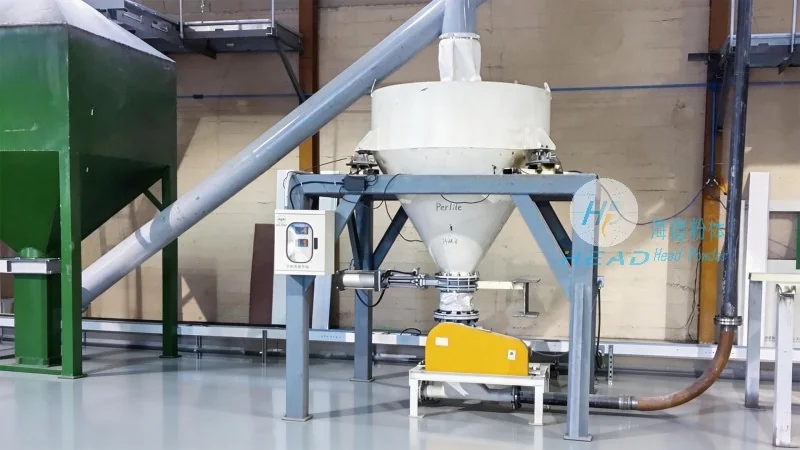
Steel grit material handling systems are widely used in various industrial sectors, including automotive manufacturing, aerospace, and metalworking. In the automotive industry, these systems are used to transport steel grit for surface treatment and polishing of car parts, such as engine components and body panels. In the aerospace industry, the systems are used to handle steel grit for deburring and finishing of aircraft parts, ensuring precision and quality. In metalworking, the systems are used to transport steel grit for shot blasting and surface preparation of metal components. The versatility of these systems makes them suitable for a wide range of applications, from small-scale workshops to large-scale industrial plants.
Maintenance and Operational Tips for Optimal Performance
To ensure the optimal performance and longevity of steel grit material handling systems, regular maintenance and proper operational practices are essential. The system should be inspected regularly for any signs of wear and tear, such as worn conveyor belts or damaged components. The conveyor system should be cleaned periodically to remove any accumulated steel grit or debris, which can affect the system's efficiency. The drive unit and control panel should be checked for proper operation, ensuring that the motor and control systems are functioning correctly. Operators should follow the manufacturer's guidelines for operating the system, including proper loading and unloading procedures. By following these maintenance and operational tips, the steel grit material handling system can operate at peak efficiency, minimizing downtime and maximizing productivity.




