Resin powder conveying machines are essential equipment in industrial settings, particularly in the manufacturing and processing of resin materials. These machines are designed to efficiently transport resin powders from storage to processing units, ensuring a smooth and consistent flow of material. The operation of such machines involves several key components and processes that work in tandem to achieve optimal performance. Understanding the operation process and working principle is crucial for operators and engineers to maintain efficiency and safety in resin handling operations. HeadPowder, a leading manufacturer of resin powder conveying equipment, specializes in providing high-quality machines that meet the diverse needs of industrial clients. With a focus on innovation and reliability, HeadPowder's machines are designed to enhance productivity and ensure the safety of resin handling operations.
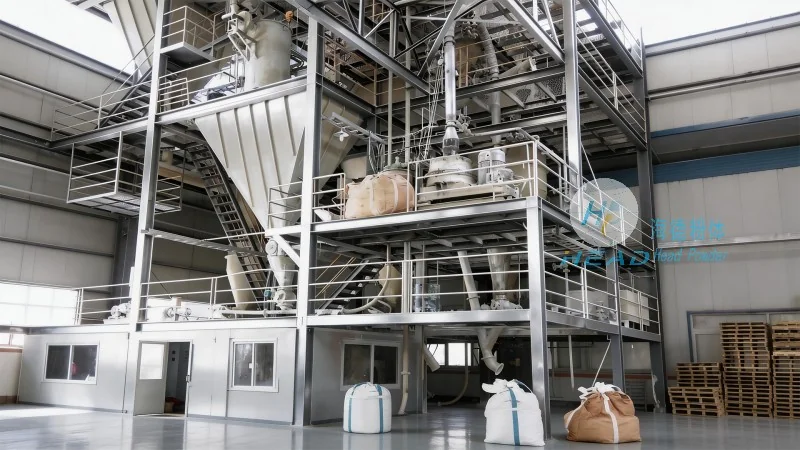
Key Components of Resin Powder Conveying Systems
Resin powder conveying machines typically consist of several core components that enable the transport of powders. These include a hopper for material storage, a conveyor system (such as a screw or pneumatic conveyor), a control panel for operation, and a discharge mechanism. The hopper is designed to hold the resin powder and provide a consistent feed to the conveyor. The conveyor system is the heart of the machine, responsible for moving the powder through the system. The control panel allows operators to adjust parameters like speed and pressure, ensuring the system operates within safe and efficient limits. The discharge mechanism then delivers the resin powder to the next stage of processing. Each component is carefully engineered to work together, ensuring the smooth and reliable operation of the entire system.
The Operation Process of Resin Powder Conveying Machines
The operation process of a resin powder conveying machine begins with the loading of resin powder into the hopper. The hopper is filled to an appropriate level, ensuring that the material is not overfilled to avoid blockages or spills. Once the hopper is loaded, the conveyor system is activated. The conveyor starts moving, and the resin powder is drawn from the hopper and transported through the system. The speed of the conveyor is adjusted based on the type and size of the resin powder, as well as the desired flow rate. As the powder moves through the conveyor, it may encounter various components such as filters or separators to remove any impurities. The discharge mechanism then collects the processed resin powder and delivers it to the processing unit. The entire process is monitored by the control panel, which provides real-time feedback on the system's performance. Operators can adjust settings as needed to maintain optimal operation. The operation process is designed to be continuous, ensuring a steady supply of resin powder to the production line. This continuous operation minimizes downtime and maximizes productivity in resin processing facilities.
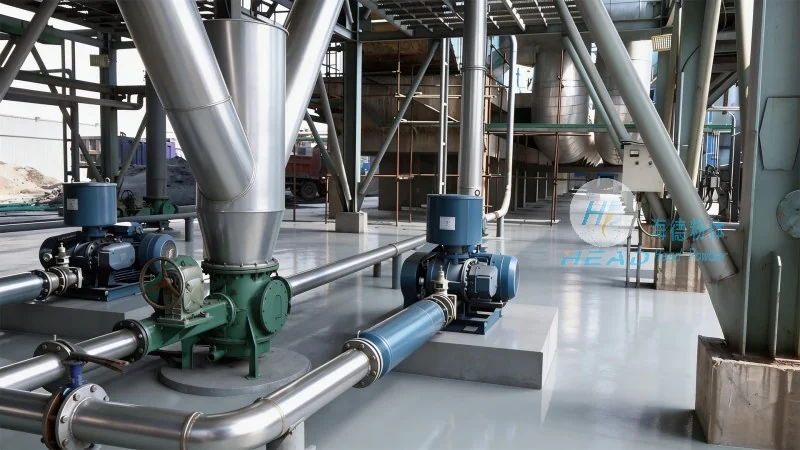
Working Principle of Resin Powder Conveying Machines
The working principle of resin powder conveying machines is based on the principles of fluid dynamics and mechanical movement. The machine uses a combination of gravity, air pressure, or mechanical force to move the resin powder. In pneumatic conveying systems, compressed air is used to create a flow of air that carries the powder particles. The air and powder mixture is then directed through the system, with the powder being separated from the air at the discharge point. In mechanical conveying systems, such as screw conveyors, the powder is moved by rotating screws that push the material forward. The screw design and speed are critical factors in determining the efficiency of the conveyor. The working principle also involves the use of filters and separators to ensure that the resin powder is clean and free from contaminants. These components help maintain the quality of the resin powder and prevent clogging in the system. The control panel plays a vital role in regulating the pressure, speed, and flow rate, ensuring that the machine operates within its design specifications. By understanding the working principle, operators can troubleshoot issues and maintain the machine's performance. This understanding is essential for maximizing the lifespan and efficiency of the equipment.
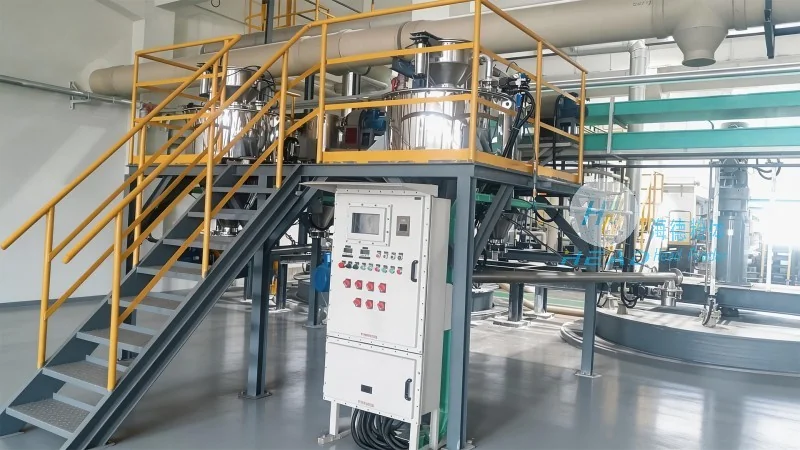
Benefits of Using Resin Powder Conveying Machines
Resin powder conveying machines offer several benefits in industrial applications. These include improved efficiency in material handling, reduced labor costs, and enhanced safety in resin handling operations. The machines are designed to handle large volumes of resin powder, reducing the time and effort required to transport the material. The automated operation of the machine minimizes the risk of human error and ensures consistent quality in the resin powder. Additionally, the machines are equipped with safety features such as overload protection and emergency stop buttons, which help prevent accidents and injuries. The use of resin powder conveying machines also contributes to a cleaner and more organized work environment, as the material is transported in a controlled manner without spills or dust dispersion. Overall, these machines are a critical component in modern resin processing facilities, providing reliable and efficient material transport. They help streamline production processes and improve overall operational efficiency.
Applications of Resin Powder Conveying Machines
Resin powder conveying machines are used in a variety of industrial applications, particularly in the manufacturing of plastics, composites, and coatings. These machines are essential in the production of resin-based products, where consistent and efficient material transport is crucial. In the plastics industry, the machines are used to transport resin powders from storage to extrusion or molding machines. In composite manufacturing, the machines help transport resin powders to mixing and molding equipment. In the coatings industry, the machines are used to transport resin powders to spray or dip coating processes. The versatility of resin powder conveying machines makes them suitable for a wide range of applications, from small-scale production to large-scale industrial operations. The machines can be customized to meet the specific needs of different industries, ensuring optimal performance in each application. For example, in the automotive industry, these machines are used to transport resin powders for the production of car parts, while in the construction industry, they are used for manufacturing resin-based building materials. The adaptability of the machines makes them a valuable asset in various sectors.




