HeadPowder, a leading manufacturer in the field of material handling solutions, specializes in providing advanced pneumatic conveying systems for various industrial applications. This article delves into the operation process and working principle of the magnesium oxide powder pneumatic conveying system equipment, highlighting the key components, operational steps, and technical aspects that ensure efficient and reliable material transport.
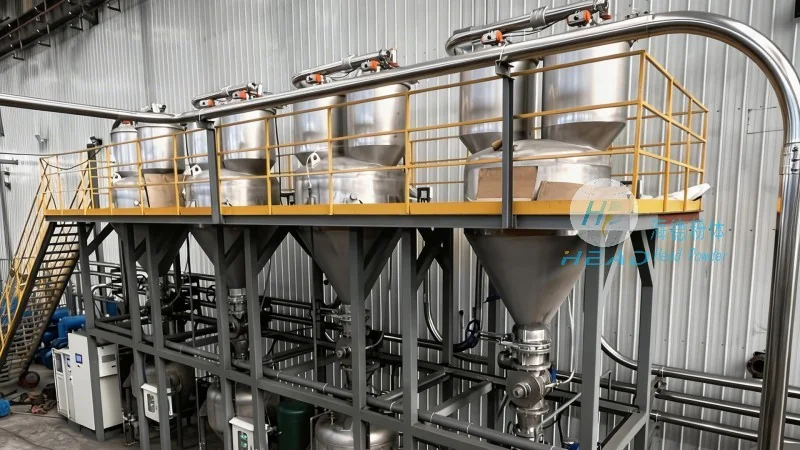
Company Overview and Expertise
Shandong HeadPowder Engineering Co., Ltd., commonly known as HeadPowder, is headquartered in Shandong, China. With years of experience in engineering and manufacturing, the company has established itself as a trusted provider of customized material handling systems tailored to the specific needs of industries such as chemicals, food processing, and pharmaceuticals. HeadPowder's commitment to quality, innovation, and customer satisfaction has enabled it to deliver robust solutions that enhance productivity and operational efficiency.
Introduction to Pneumatic Conveying Systems
Pneumatic conveying systems are mechanical systems that use air or other gases to transport bulk materials from one location to another. These systems are widely used in industries where traditional methods like belt conveyors or bucket elevators may not be suitable due to material characteristics like dustiness, abrasiveness, or the need for enclosed transport to prevent contamination. The magnesium oxide powder pneumatic conveying system is a specialized variant designed to handle the unique properties of magnesium oxide, a fine powder commonly used in construction, refractory materials, and chemical applications.
Key Components of the Magnesium Oxide Powder Pneumatic Conveying System
The magnesium oxide powder pneumatic conveying system consists of several critical components that work in tandem to ensure smooth operation. These include:
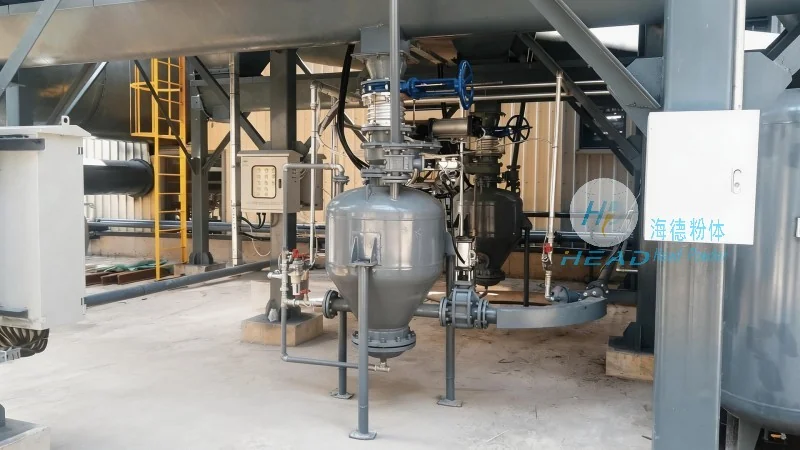
- Material Hopper: A storage vessel that holds the magnesium oxide powder, providing a consistent feed to the system. The hopper is equipped with a discharge valve to regulate the flow of material into the conveyor line.
- Air Supply Unit: This component generates the necessary air pressure or vacuum to move the powder. It typically includes a blower or vacuum pump, along with a filter and regulator to ensure clean and controlled air flow.
- Pneumatic Conveyor Line: The main transport channel, usually made of stainless steel or other corrosion-resistant materials, that carries the powder through the system. The line may include bends, elbows, and straight sections to navigate the path from the hopper to the discharge point.
- Control System: An automated or semi-automated system that monitors and regulates the operation of the conveyor. This includes sensors for material level, air pressure, and flow rate, as well as control panels to adjust settings and troubleshoot issues.
- Discharge Unit: The component where the magnesium oxide powder is deposited at the destination. This may be a storage silo, a processing machine, or another hopper, depending on the application.
Operation Process of the Magnesium Oxide Powder Pneumatic Conveying System
The operation of the magnesium oxide powder pneumatic conveying system follows a systematic process that ensures efficient material transport. The steps are as follows:
- Material Loading: The magnesium oxide powder is loaded into the material hopper from a bulk storage container or a production line. The hopper is designed to prevent material bridging and ensure a steady flow.
- Air Activation: The air supply unit is activated, either by starting a blower for positive pressure conveying or a vacuum pump for negative pressure conveying. The system is primed to ensure the air flow is established before material is introduced.
- Material Intake: The discharge valve in the hopper opens, allowing the magnesium oxide powder to be drawn into the pneumatic conveyor line by the moving air. The air velocity is maintained at a level sufficient to suspend the powder particles and carry them through the system.
- Transport and Routing: The powder particles are carried along the conveyor line, navigating bends and elbows as required. The control system continuously monitors the flow rate and adjusts the air pressure or volume to maintain consistent transport.
- Discharge and Deposition: At the destination point, the powder is discharged from the conveyor line into the target container or processing equipment. The control system ensures that the discharge is smooth and that the receiving vessel is not overfilled.
- System Shutdown: Once the material has been fully transferred, the air supply unit is turned off, and the system is allowed to return to a standby state. The control system may perform a final check to ensure all components are in a safe and ready condition for the next operation.
Working Principle of the Magnesium Oxide Powder Pneumatic Conveying System
The working principle of the magnesium oxide powder pneumatic conveying system is based on the fundamental physics of fluid dynamics and particle transport. The system operates by creating a flow of air that is capable of suspending the fine powder particles and transporting them through the conveyor line. There are two primary modes of operation:
Positive Pressure Conveying
In positive pressure conveying, a blower or compressor generates a high-pressure air stream that is introduced into the conveyor line at the hopper end. The air flows through the line, carrying the magnesium oxide powder particles along with it. The pressure is maintained throughout the system, ensuring that the powder is continuously suspended and transported to the discharge point. This method is suitable for long-distance or high-capacity transport and is commonly used when the material is to be discharged into a storage silo or a processing machine.
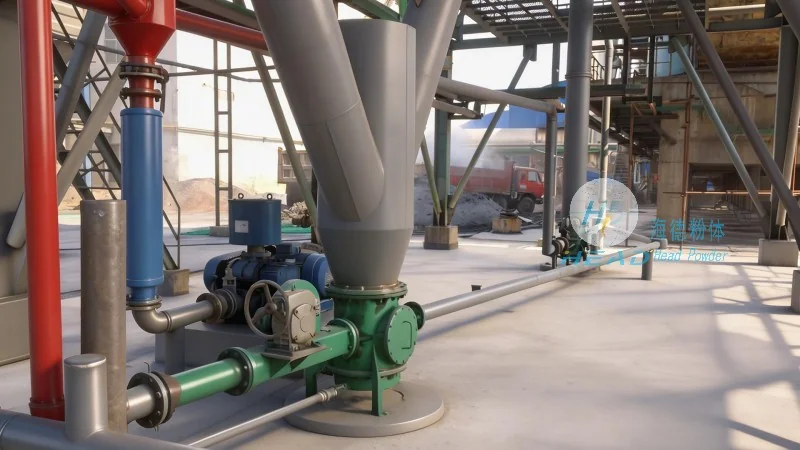
Negative Pressure Conveying
In negative pressure conveying, a vacuum pump creates a low-pressure environment at the discharge end of the conveyor line. The air is drawn from the discharge point, creating a suction force that pulls the magnesium oxide powder particles into the line. The air then flows back to the air supply unit, carrying the powder with it. This method is often used for short-distance transport or when the material needs to be transferred from a processing machine back to a storage hopper. The negative pressure system helps to prevent dust emissions and maintain a clean working environment.
Advantages of the Magnesium Oxide Powder Pneumatic Conveying System
The magnesium oxide powder pneumatic conveying system offers several advantages over traditional material handling methods. These include:
- Enclosed Transport: The system operates in a closed environment, preventing dust contamination and ensuring a clean working area. This is particularly important for magnesium oxide powder, which can be hazardous if inhaled.
- High Efficiency: The system can transport large quantities of material over long distances with minimal energy consumption compared to other methods.
- Customization: HeadPowder can design and manufacture customized systems to meet specific application requirements, such as varying material flow rates or handling different particle sizes.
- Reduced Maintenance: The use of corrosion-resistant materials and automated control systems reduces the need for frequent maintenance and increases the system's lifespan.
- Improved Safety: The enclosed design and controlled air flow minimize the risk of dust explosions and other safety hazards associated with handling fine powders.
Conclusion
The magnesium oxide powder pneumatic conveying system equipment, manufactured by Shandong HeadPowder Engineering Co., Ltd., represents a sophisticated solution for the efficient and safe transport of fine materials. By understanding the operation process and working principles, users can appreciate the complexity and effectiveness of these systems in enhancing industrial productivity. HeadPowder's expertise in engineering and manufacturing ensures that clients receive reliable, high-performance systems tailored to their specific needs.




