For industrial applications that require the efficient and reliable transport of micronized sand powder, pneumatic conveying systems have emerged as a preferred solution. These systems utilize air or gas to move bulk materials through a pipeline network, offering advantages such as reduced equipment wear, minimal product contamination, and the ability to handle fine powders that are difficult to transport via traditional methods. In this article, we will explore the operation process and working principle of a typical micronized sand powder pneumatic conveying system, highlighting key components, operational steps, and the underlying physics that enable effective material transport.
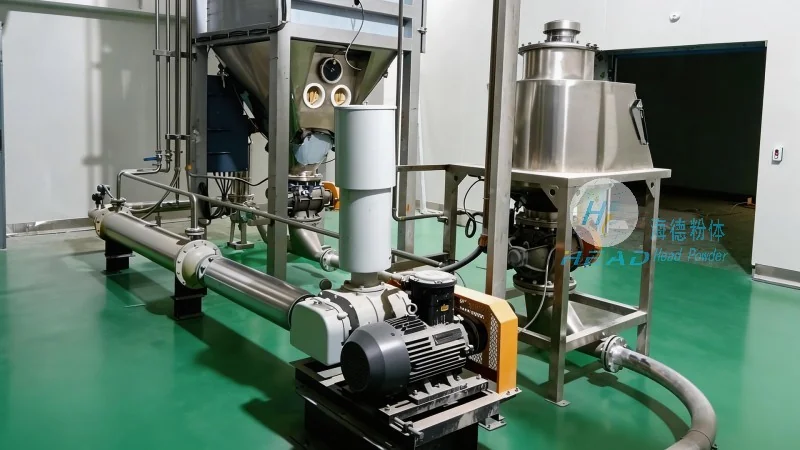
Key Components of the Micronized Sand Powder Pneumatic Conveying System
The micronized sand powder pneumatic conveying system consists of several critical components that work in tandem to ensure smooth material transfer. The primary components include a material hopper, a rotary airlock feeder, a conveying pipeline, a dust separator (or cyclone), and a receiver or discharge hopper. Each component plays a specific role in the overall system operation.
The material hopper is the initial storage vessel where the micronized sand powder is loaded. It is designed to maintain a consistent material level and prevent caking or bridging, which can impede flow. The rotary airlock feeder, positioned at the bottom of the hopper, acts as a controlled discharge valve. It regulates the flow of powder into the conveying pipeline by rotating, allowing air to enter while preventing backflow. The conveying pipeline is typically made of stainless steel or other corrosion-resistant materials to handle the abrasive nature of the sand powder and to maintain hygiene standards. The pipeline is equipped with bends, elbows, and sometimes expansion joints to accommodate changes in direction and to minimize pressure losses. The dust separator, often a cyclone or a bag filter, is installed at the end of the pipeline to separate the powder from the air stream. It captures the sand powder and returns it to the system, while the cleaned air is discharged to the atmosphere or recirculated. Finally, the receiver or discharge hopper collects the conveyed powder and prepares it for further processing or storage.
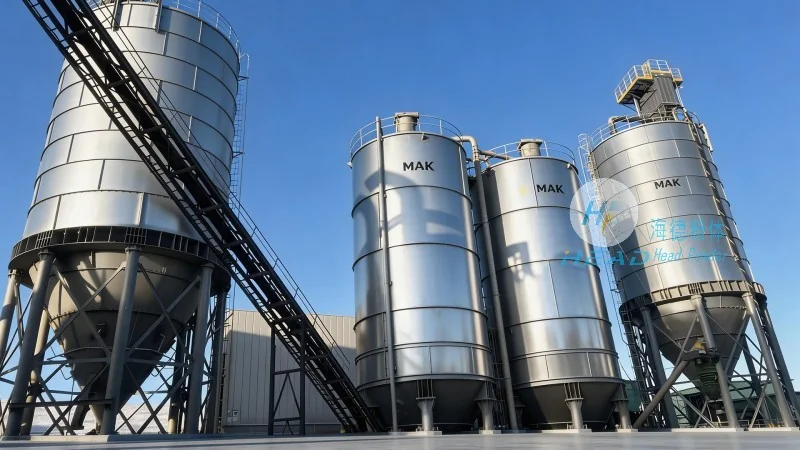
Working Principle of the Micronized Sand Powder Pneumatic Conveying System
The operation of the micronized sand powder pneumatic conveying system is based on the principle of fluidization and the momentum of the air stream. The process begins when the rotary airlock feeder opens, allowing the sand powder to fall into the conveying pipeline. Simultaneously, a fan or blower generates a high-velocity air flow within the pipeline. As the powder enters the pipeline, it is entrained by the air stream, forming a slurry or a dense phase flow. The air velocity is maintained above the minimum fluidization velocity of the sand powder, ensuring that the particles remain suspended and move along with the air. The pressure drop along the pipeline is managed by the system's design, with the fan providing sufficient pressure to overcome friction losses and any elevation changes in the pipeline.
In the case of a dense phase conveying system, the air velocity is lower, and the powder forms a plug-like flow, which reduces particle attrition and improves system efficiency. The dust separator then separates the powder from the air by utilizing centrifugal force. The sand powder is collected in the separator's collection chamber and returned to the system via a return line, while the air passes through a filter to remove any residual dust before being discharged. The receiver hopper collects the powder that has been separated from the air, completing the cycle.
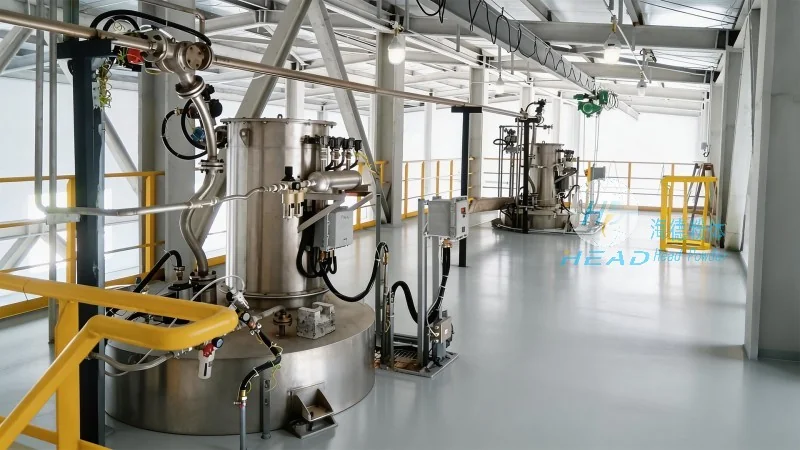
Operation Process of the Micronized Sand Powder Pneumatic Conveying System
The operation process of the micronized sand powder pneumatic conveying system involves several sequential steps that ensure continuous and efficient material transport. The process starts with the loading of the material hopper with the micronized sand powder. The system is then started by activating the fan or blower, which generates the necessary air flow. The rotary airlock feeder is adjusted to control the feed rate of the powder, ensuring that the air flow rate matches the material feed rate to maintain a stable conveying condition. As the powder is fed into the pipeline, it is entrained by the air and transported to the discharge point. The dust separator continuously operates to separate the powder from the air, maintaining a clean air stream and preventing dust accumulation in downstream equipment.
During operation, the system's pressure and flow rates are monitored to ensure optimal performance. If the system experiences a blockage or a change in material feed rate, the air flow or feed rate can be adjusted to restore normal operation. The receiver hopper is periodically emptied to prevent overfilling and to maintain system efficiency. The entire process is automated in most modern systems, with sensors and control panels monitoring key parameters such as pressure, flow, and material level. This automation ensures consistent performance and reduces the need for manual intervention.




