Pharmaceutical pneumatic conveying systems are critical components in modern pharmaceutical manufacturing, designed to safely and efficiently transport powders and granules within production facilities. These systems are engineered to meet stringent regulatory standards, ensuring product integrity, contamination control, and operational reliability. The equipment, manufactured by Shandong HeadPowder Engineering Co., Ltd., based in China, plays a pivotal role in streamlining material handling processes in the pharmaceutical industry.
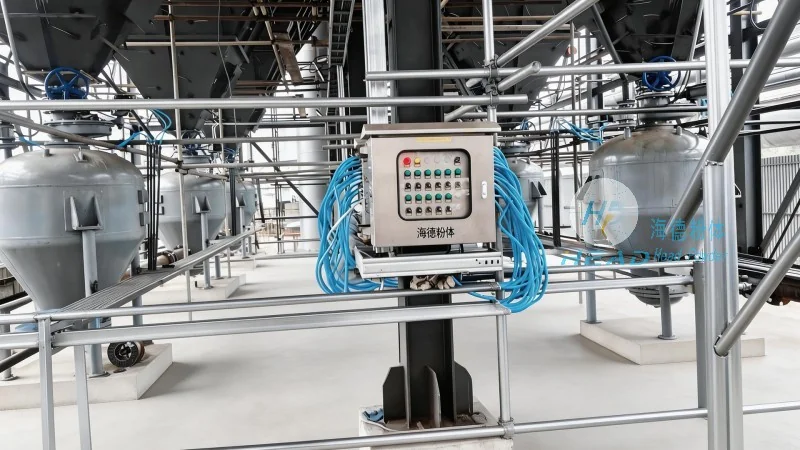
Overview of Pharmaceutical Pneumatic Conveying Systems
Pharmaceutical pneumatic conveying systems utilize air or gas to transport bulk materials, such as active pharmaceutical ingredients (APIs), excipients, and finished powders, from one location to another. Unlike traditional mechanical conveying methods, pneumatic systems offer advantages like minimal product contamination, reduced risk of cross-contamination, and the ability to handle sensitive materials without physical contact. The systems are typically composed of several key components, including a material feed hopper, a conveying line, a dust collector, and a discharge hopper. Each component works in tandem to ensure smooth and controlled material flow.
Key Components and Their Functions
The core components of a pharmaceutical pneumatic conveying system include the material hopper, which stores the bulk powder; a rotary valve or feeder that controls the material discharge rate; the conveying line, which may be made of stainless steel or other inert materials to prevent material degradation; a blower or air compressor that generates the air flow; and a dust collector that captures any airborne particles. The dust collector is crucial for maintaining a clean environment and complying with regulatory requirements. Additionally, the system may include a filter system to ensure the air used for conveying is clean and free of contaminants.
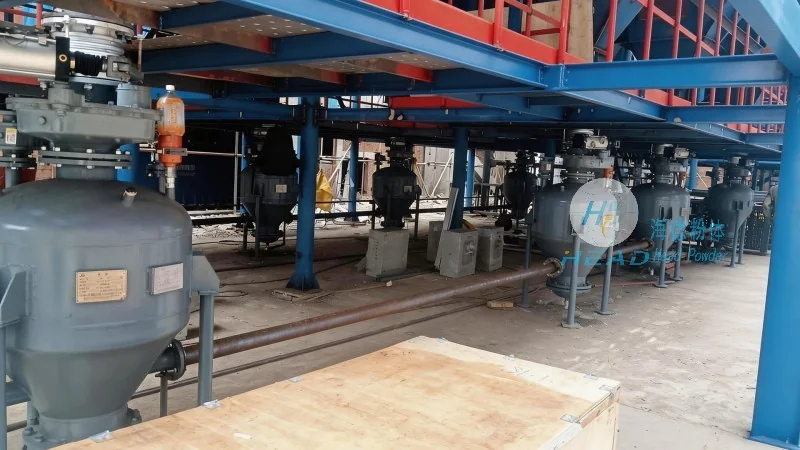
Working Principle of the Conveying Process
The operation of a pharmaceutical pneumatic conveying system begins with the material being fed from the hopper into the conveying line. The rotary valve or feeder regulates the flow rate, ensuring a consistent and controlled discharge of the powder. Simultaneously, the blower generates a high-pressure air stream that travels through the conveying line. As the air flows, it picks up the powder particles and transports them to the discharge point. The air and powder mixture then enters the dust collector, where the air is filtered and the powder is separated and collected in the discharge hopper. The filtered air is then released back into the environment or recirculated, depending on the system design.
Operation Process Flow
The entire operation process of a pharmaceutical pneumatic conveying system follows a systematic sequence. First, the material is loaded into the hopper. The system then activates the blower to generate the necessary air pressure. The rotary valve opens to allow the material to enter the conveying line. The air flow carries the powder through the line to the discharge point. At the discharge end, the powder is collected in the hopper, while the air is filtered and either vented or recirculated. This cycle repeats continuously, enabling the system to handle large volumes of material with minimal human intervention. The process is designed to be efficient, with low energy consumption and minimal downtime, making it ideal for high-throughput pharmaceutical manufacturing.
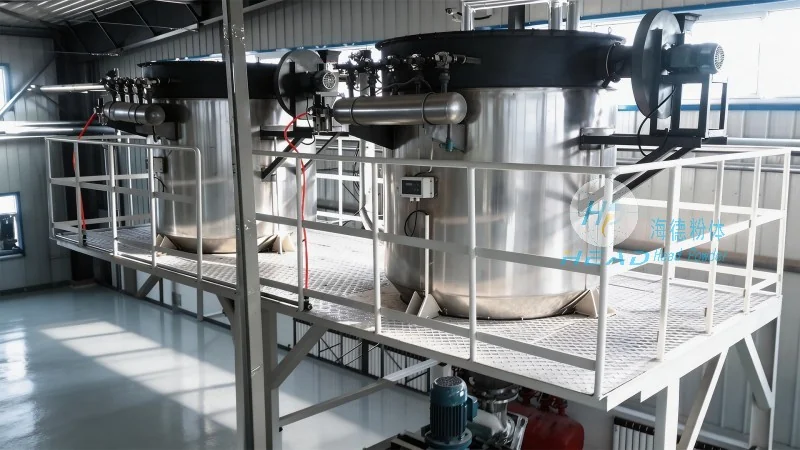
Advantages of Pharmaceutical Pneumatic Conveying Systems
Pharmaceutical pneumatic conveying systems offer several advantages over traditional mechanical conveying methods. These include improved product quality due to reduced contamination and handling stress, enhanced safety as the system operates without physical contact with the material, and increased flexibility in material handling. The systems can be easily integrated into existing production lines and can handle a wide range of powder properties, from fine powders to bulk granules. Additionally, the stainless steel construction of the equipment ensures compliance with GMP (Good Manufacturing Practice) standards, which are essential for pharmaceutical manufacturing.
Applications in Pharmaceutical Manufacturing
Pharmaceutical pneumatic conveying systems are widely used in various stages of pharmaceutical production. They are commonly employed in the transfer of raw materials, such as APIs and excipients, from storage to processing areas. The systems are also used in the transfer of intermediate products, such as granules and powders, between different manufacturing steps. Furthermore, they are utilized in the final packaging stages, where powders are transferred to packaging containers. The versatility of these systems makes them indispensable in modern pharmaceutical manufacturing, enabling efficient and compliant material handling across the entire production process.
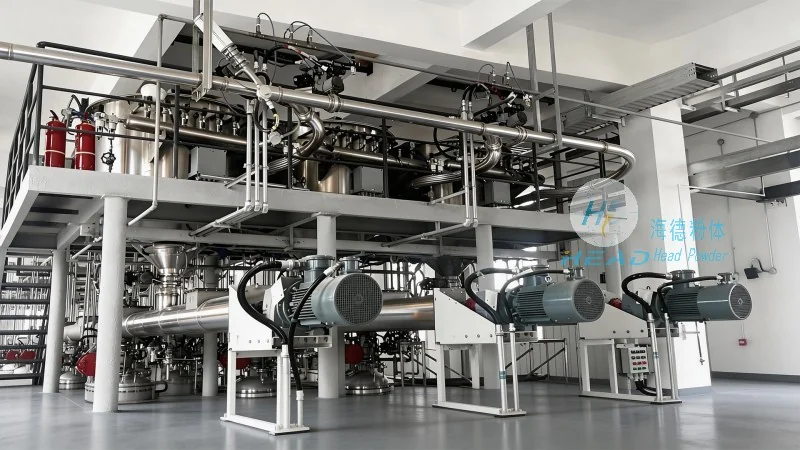
Maintenance and Operational Considerations
Proper maintenance is crucial for ensuring the optimal performance and longevity of pharmaceutical pneumatic conveying systems. Regular cleaning and inspection of the components, such as the hopper, conveying line, and dust collector, are essential to prevent material buildup and contamination. The blower and air compressor should be checked regularly for proper operation and efficiency. Additionally, the system should be monitored for air pressure and flow rates to ensure consistent performance. Proper training of operators is also important to ensure the system is operated correctly and safely. By following these maintenance and operational guidelines, the system can maintain its efficiency and compliance with regulatory standards.
Conclusion
Pharmaceutical pneumatic conveying systems, manufactured by Shandong HeadPowder Engineering Co., Ltd., are vital in modern pharmaceutical manufacturing. These systems offer efficient, safe, and compliant material handling solutions, enabling pharmaceutical companies to meet the demands of high-quality production. The operation process and working principles of these systems are designed to ensure product integrity and operational reliability, making them an essential component of any pharmaceutical production facility.




