Fly ash, a byproduct of coal combustion in thermal power plants, requires efficient handling and transportation for industrial applications. The pneumatic conveying system, a key technology in modern material handling, offers a reliable solution for transporting fly ash over long distances with minimal environmental impact. This article delves into the operation process and working principle of the fly ash pneumatic conveying system equipment, highlighting its components, operational steps, and the technical advantages that make it a preferred choice in the industry.
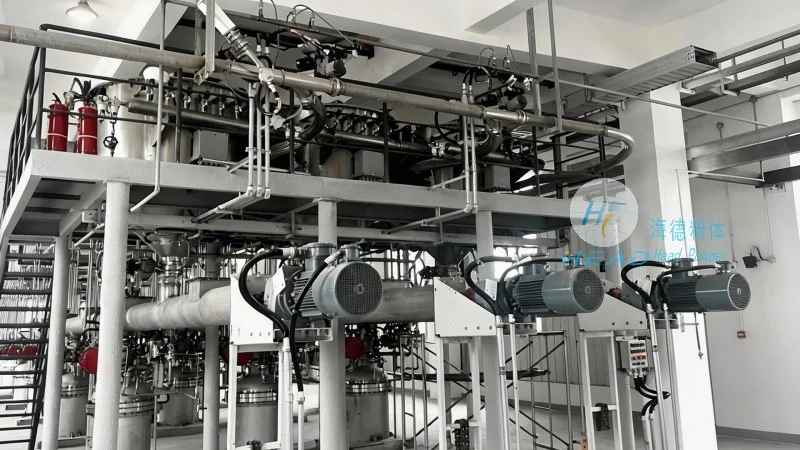
Key Components of the Fly Ash Pneumatic Conveying System
The fly ash pneumatic conveying system consists of several critical components that work in tandem to ensure smooth material transport. These include the hopper, which serves as the storage and feeding unit; the air compressor or blower, responsible for generating the necessary air pressure; the conveying pipeline, which transports the ash; and the receiver or discharge unit where the material is deposited. Each component plays a vital role in maintaining the system's efficiency and reliability. The hopper is typically equipped with a feeder mechanism, such as a rotary valve or screw feeder, to control the flow of fly ash into the system. The air compressor provides the motive force, either through positive or negative pressure, depending on the system design. The pipeline network connects the hopper to the receiver, with appropriate fittings and valves to regulate air flow and material movement. The receiver is designed to handle the incoming ash, often with a dust collection system to prevent environmental contamination.
Operation Process of the Fly Ash Pneumatic Conveying System
The operation of the fly ash pneumatic conveying system follows a systematic sequence of steps to ensure consistent and efficient transport. The process begins with the loading of fly ash into the hopper. The feeder mechanism then regulates the ash flow into the conveying pipeline, controlled by the system's control panel. Simultaneously, the air compressor starts, generating the required air pressure. As the ash enters the pipeline, it is entrained by the high-velocity air stream, forming a slurry-like mixture that moves through the pipeline. The air and ash mixture travels to the receiver, where the air is separated from the ash. The air is either recirculated back to the compressor or released to the atmosphere, depending on the system's design. The separated ash is collected in the receiver and can be further processed or used in construction materials. The entire process is monitored by sensors and control systems that adjust parameters like air pressure, flow rate, and feeding speed to maintain optimal performance. This automated operation ensures minimal human intervention and consistent material handling, reducing operational costs and improving safety.
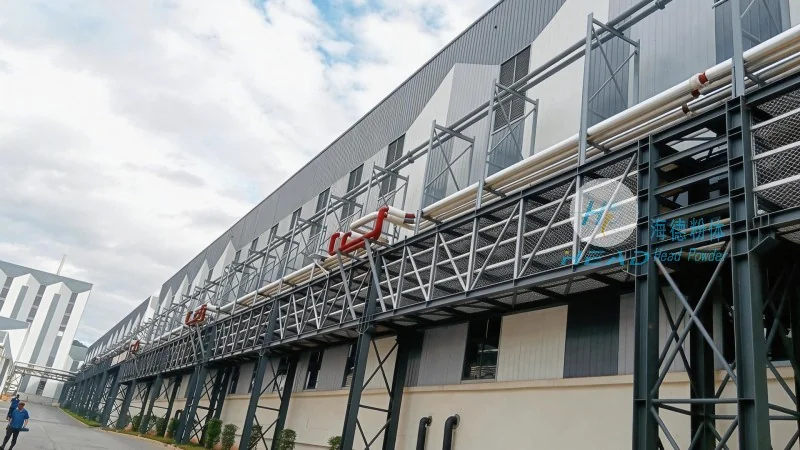
Working Principle of the Pneumatic Conveying System
The working principle of the fly ash pneumatic conveying system is based on the physical properties of the material and the dynamics of air flow. The system operates on the principle of fluidization, where the air stream lifts and transports the fly ash particles through the pipeline. The key to effective conveying is maintaining a sufficient air velocity to overcome the gravitational force acting on the ash particles. The air velocity must be high enough to keep the particles suspended in the air stream but not so high as to cause excessive wear on the pipeline or components. The system can operate under either positive pressure or negative pressure, with positive pressure systems being more common for transporting fly ash from the source to the destination. In positive pressure systems, the air compressor pressurizes the entire pipeline, pushing the ash forward. Negative pressure systems, on the other hand, create a vacuum at the receiver end, drawing the ash through the pipeline. The choice between positive and negative pressure depends on factors such as the distance to be covered, the material characteristics, and the system layout. The system's efficiency is also influenced by the particle size and density of the fly ash, as well as the pipeline diameter and length. Proper design and maintenance of the components are crucial to ensure the system operates within the optimal range, maximizing conveying capacity and minimizing energy consumption.
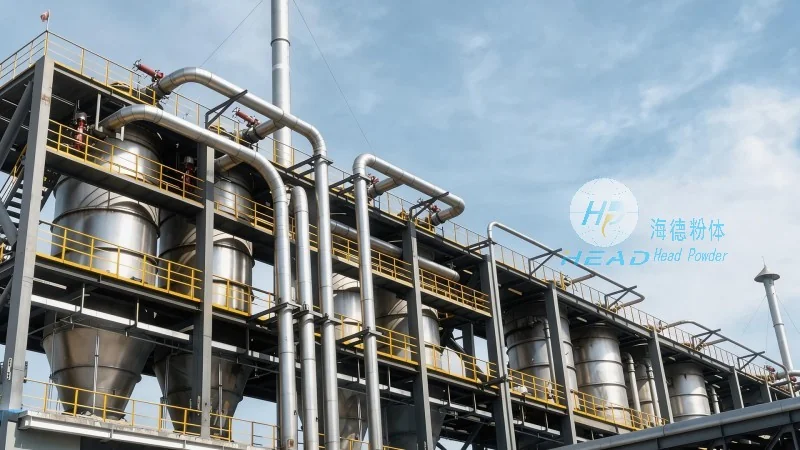
Technical Advantages and Applications
The fly ash pneumatic conveying system offers several technical advantages that make it suitable for various industrial applications. One of the primary advantages is its ability to transport fly ash over long distances without the need for intermediate storage or handling. This reduces the risk of material degradation and contamination, ensuring the quality of the ash for downstream processes. The system is also highly flexible, allowing for changes in the conveying route or capacity without major modifications. Additionally, the enclosed pipeline design minimizes dust emissions, contributing to better environmental compliance and workplace safety. The system's compact design and automated operation reduce the need for manual labor, lowering operational costs and improving productivity. These advantages make the fly ash pneumatic conveying system an ideal solution for power plants, cement factories, and other industrial facilities that require efficient and reliable transport of fly ash. The system's adaptability to different material characteristics and operational conditions further enhances its applicability in diverse industrial settings.
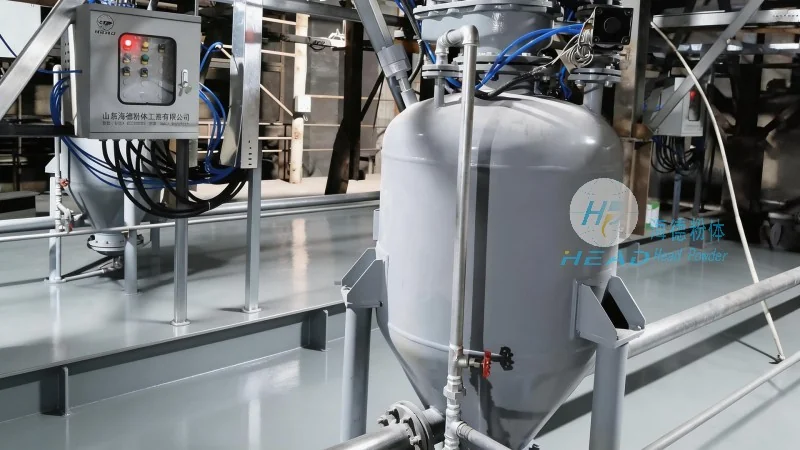
Maintenance and Operational Considerations
Proper maintenance is essential to ensure the long-term performance and reliability of the fly ash pneumatic conveying system. Regular inspection and maintenance of the air compressor, feeder mechanisms, and pipeline components are crucial to prevent breakdowns and ensure optimal operation. The air compressor should be checked for air leaks, pressure fluctuations, and wear on moving parts. The feeder mechanism should be inspected for blockages or wear, as these can affect the flow rate and cause system inefficiencies. The pipeline and fittings should be checked for signs of wear, corrosion, or blockages, which can reduce conveying capacity and increase energy consumption. The receiver and dust collection system should be regularly cleaned to prevent ash buildup and maintain air quality. Operational considerations also include monitoring system parameters such as air pressure, flow rate, and ash flow rate. Any deviations from the normal operating range should be investigated and corrected promptly to avoid system failures. Proper training of operators and maintenance personnel is also important to ensure the system is operated and maintained correctly. By following these maintenance and operational guidelines, the fly ash pneumatic conveying system can provide reliable and efficient service for many years, maximizing its return on investment.
Conclusion
The fly ash pneumatic conveying system is a sophisticated and efficient technology for transporting fly ash in industrial applications. Its operation process and working principle are based on the integration of several key components and the dynamics of air flow, ensuring consistent and reliable material transport. The system offers numerous technical advantages, including long-distance transport, minimal environmental impact, and automated operation, making it a preferred choice in the industry. Proper maintenance and operational considerations are essential to ensure the system's optimal performance and longevity. As the demand for efficient fly ash handling increases, the pneumatic conveying system will continue to play a vital role in supporting industrial operations while contributing to environmental sustainability. The expertise of companies like Shandong HeadPowder Engineering Co., Ltd. in designing and implementing such systems ensures that clients receive reliable and effective solutions tailored to their specific needs.




