Working Principle and Features of Refractory Powder Pneumatic Conveying Equipment
Release time:2026-09-18 04:01:23
name of the company:Shandong Headpowder Engineering Co., Ltd.
telephone:156-6277-7102
contacts:Zhang manager
Refractory powder pneumatic conveying equipment is a specialized system designed to transport refractory powders efficiently and safely. This equipment plays a crucial role in various industrial applications, particularly in the manufacturing of refractory products, where the handling of fine powders requires precision and reliability. The core of this system lies in its ability to use air as the conveying medium, enabling the movement of refractory materials from one location to another without the need for mechanical components that might cause contamination or degradation of the powder.
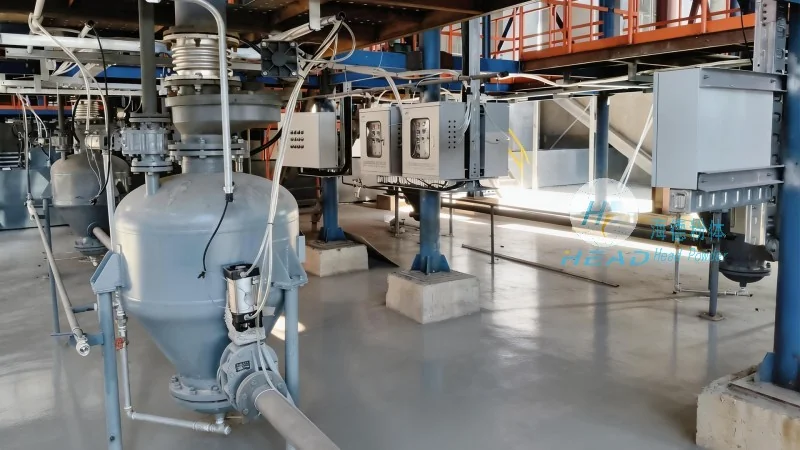
Working Principle of Pneumatic Conveying Systems
The working principle of refractory powder pneumatic conveying equipment is based on the fundamental physics of fluid dynamics and particle transport. The system typically consists of a hopper, a conveyor line, and a receiver. The process begins with the refractory powder being fed into the hopper. From there, the powder is drawn into the conveyor line by a vacuum or pressure source, depending on the type of system (vacuum or pressure). The air, which acts as the carrier, is introduced into the system, creating a flow that carries the powder particles along the pipeline. The velocity of the air is carefully controlled to ensure that the powder particles are suspended and transported without settling or clogging the system. The receiver at the end of the line collects the conveyed powder, completing the process. This method eliminates the need for traditional bulk handling methods such as trucks or conveyor belts, which can be inefficient and prone to material loss or contamination.
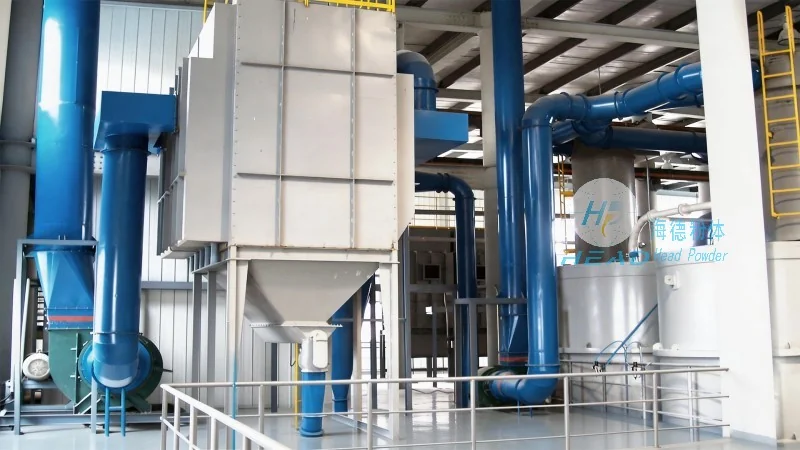
Key Features and Advantages of Refractory Powder Pneumatic Conveying Equipment
Refractory powder pneumatic conveying equipment offers several key features and advantages that make it an ideal choice for industrial applications. One of the primary advantages is its ability to handle fine and abrasive powders without causing wear and tear on the system components. The use of air as the conveying medium prevents the direct contact of the powder with mechanical parts, reducing the risk of contamination and ensuring the purity of the refractory material. Another significant feature is the system's flexibility in terms of layout and installation. It can be easily integrated into existing production lines or customized to fit specific space constraints. The equipment also provides high efficiency in terms of material transfer, with minimal material loss and low maintenance requirements. Additionally, pneumatic conveying systems are capable of handling large volumes of powder over long distances, making them suitable for both small-scale and large-scale industrial operations. The control systems used in these equipment are advanced, allowing for precise regulation of the conveying rate and pressure, ensuring consistent performance and product quality.
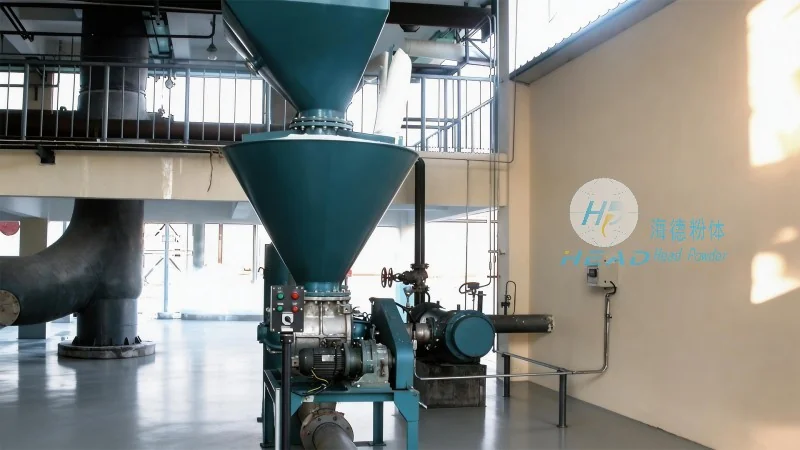
Applications and Industries Served by Refractory Powder Pneumatic Conveying Equipment
Refractory powder pneumatic conveying equipment is widely used in various industries that rely on the processing of refractory materials. These include the production of refractory bricks, ceramics, and other high-temperature applications. The equipment is particularly valuable in industries such as steel manufacturing, where refractory materials are used in furnaces and kilns. It is also used in the production of insulation materials, where fine powders need to be transported to mixing and molding processes. The system's ability to handle abrasive and fine powders makes it suitable for applications where traditional conveying methods would be impractical or inefficient. Furthermore, the equipment is used in research and development laboratories where precise control over powder handling is essential for experimental work.




