Winery slurry, a byproduct of winemaking, presents unique challenges for efficient handling and transportation. The development of specialized powder conveying systems has become essential for optimizing processing workflows in wineries. This article explores the fundamental principles underlying such systems and highlights key working scene characteristics that define their effectiveness in real-world applications.
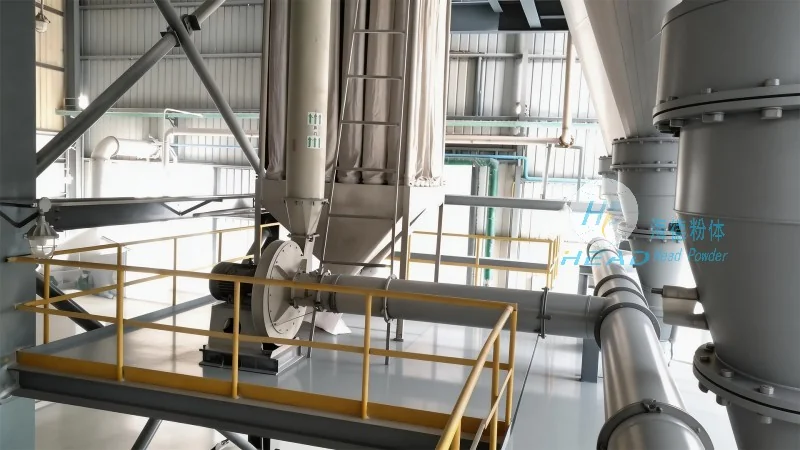
Introduction to Winery Slurry Powder Conveying Systems
Winery slurry, also known as grape pomace or grape waste, consists of solid residues from crushing and fermentation processes. These materials typically have high moisture content and a granular or powdery texture, making traditional conveying methods inefficient and prone to blockages or equipment wear. Specialized powder conveying systems have been engineered to handle the specific physical properties of winery slurry, ensuring reliable and continuous material transport.
Core Principles of the Conveying System
The operation of a winery slurry powder conveying system is based on several key principles. First, the system utilizes a combination of mechanical and pneumatic components to move slurry through pipelines or ducts. This approach leverages fluid dynamics and particle transport principles to maintain consistent flow rates and prevent material degradation. Second, the design incorporates features to minimize friction and abrasion, critical given the abrasive nature of grape pomace. Materials like stainless steel or specialized coatings are used for conveying components to extend lifespan and maintain hygiene standards.
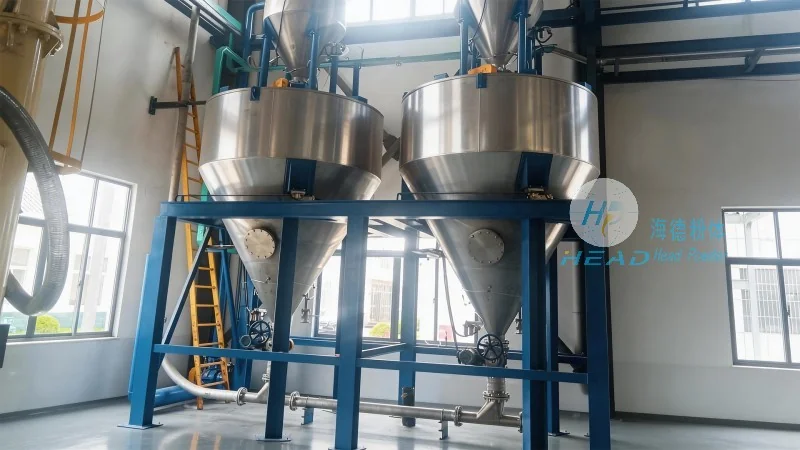
Working Scene Characteristics and Application Scenarios
The effectiveness of winery slurry powder conveying systems is influenced by specific working scene characteristics, varying by winery scale, production volume, and processing needs. Large-scale wineries with high throughput may use high-capacity blowers and larger pipelines, while smaller wineries employ compact, low-energy systems. Environmental factors like temperature and humidity also impact performance; proper temperature control and moisture management prevent caking or clumping that could disrupt the process.
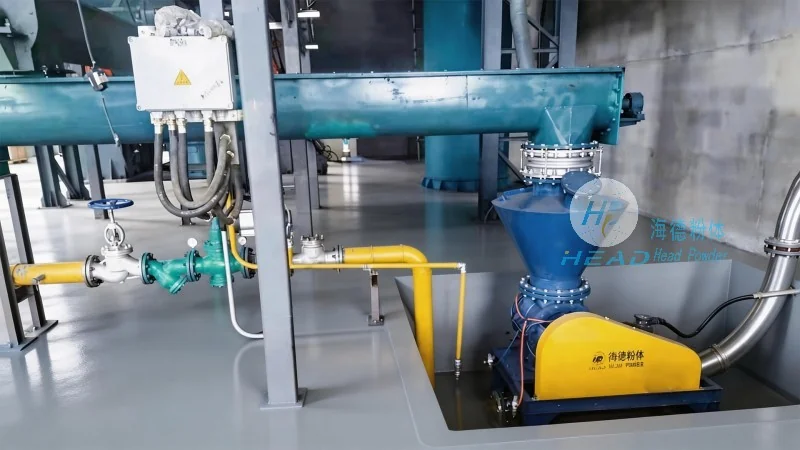
Key Features and Technical Advantages
Modern systems from Shandong HeadPowder Engineering Co., Ltd. (headpowder) feature advanced capabilities. These include adjustable flow control for real-time rate modulation and intelligent monitoring for proactive maintenance. The company’s expertise ensures systems are tailored to unique slurry characteristics, whether involving different grape varieties or varying moisture levels.
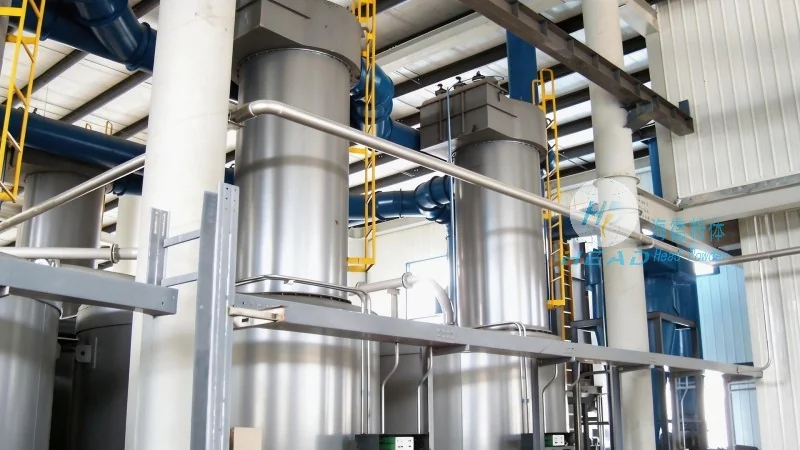
Practical Applications and Operational Benefits
Winery slurry powder conveying systems apply across winemaking stages—from pomace collection to drying or composting. They streamline workflow, reduce manual handling, and lower operational costs. Additionally, they support sustainable practices by facilitating slurry reuse as animal feed or organic fertilizer, aligning with industry environmental goals.
Conclusion
In summary, the principles and working scene characteristics of winery slurry powder conveying systems are vital to efficient winery operations. By addressing unique slurry challenges with advanced engineering, these systems enable reliable material transport while maintaining hygiene and operational efficiency. Companies like Shandong HeadPowder Engineering Co., Ltd. ensure tailored solutions optimize processing capabilities and meet modern wine production demands.




