Principle and Working Scene Characteristics of Graphite Lump Pneumatic Conveying Equipment
Release time:2026-09-18 19:01:29
name of the company:Shandong Headpowder Engineering Co., Ltd.
telephone:156-6277-7102
contacts:Zhang manager
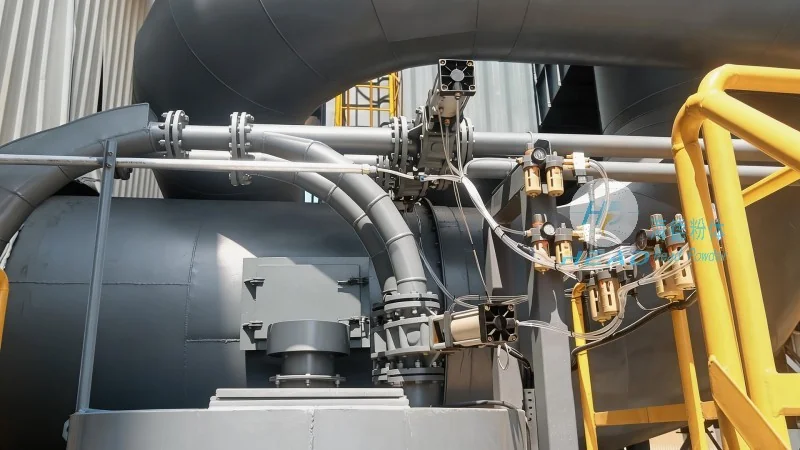
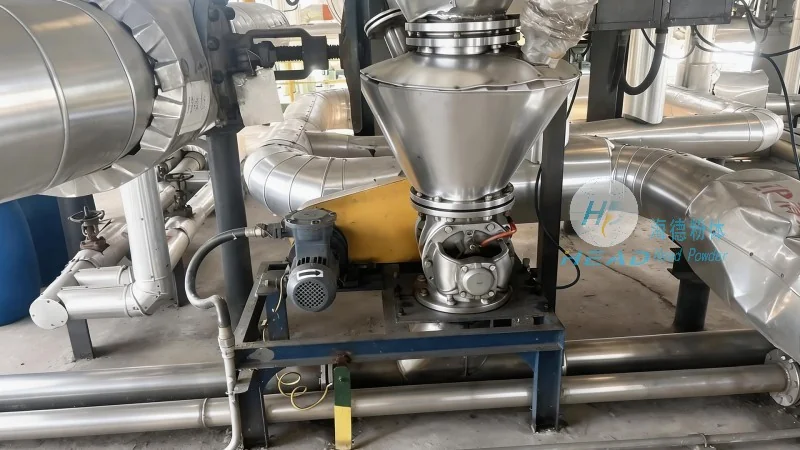
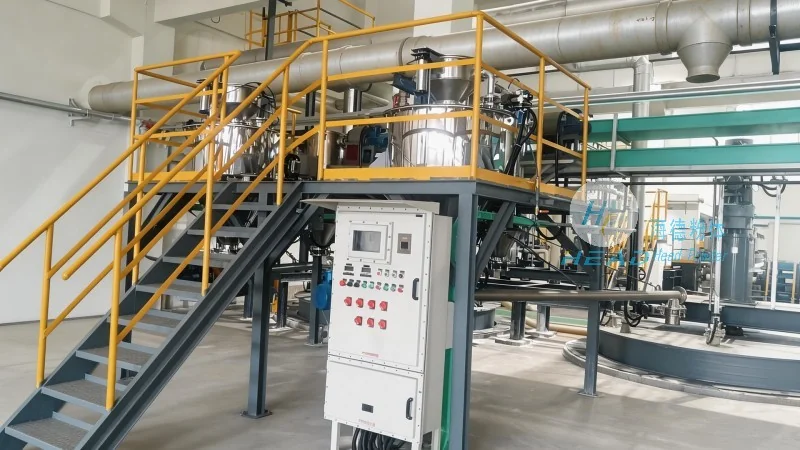
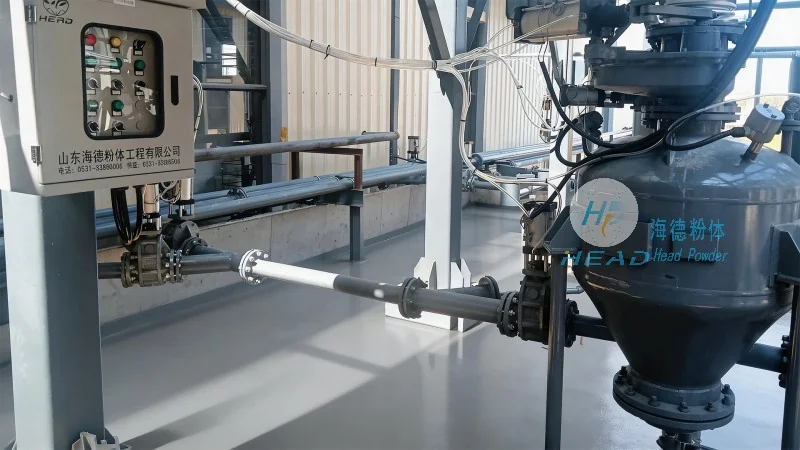
Graphite lump pneumatic conveying equipment represents a sophisticated solution for the efficient and safe transportation of graphite materials in industrial settings. This technology is particularly valuable in sectors such as metallurgy, chemical processing, and manufacturing, where the handling of bulk materials like graphite lumps requires precision and reliability. The equipment operates by utilizing compressed air to create a flow that moves the graphite lumps through a pipeline system, eliminating the need for mechanical components that can introduce friction, wear, or contamination. By leveraging pneumatic conveying, industries can achieve a cleaner, more controlled transfer process, which is essential for maintaining the quality of graphite products and ensuring operational safety.
Company Profile: Shandong HeadPowder Engineering Co., Ltd.
HeadPowder, a prominent player in the material handling industry, is dedicated to providing innovative and high-performance solutions for bulk material transportation. With its roots in Shandong, China, the company has established itself as a trusted manufacturer of pneumatic conveying systems and related equipment. The company's expertise lies in designing and manufacturing equipment that meets the stringent requirements of modern industrial applications. The company's facilities in Shandong are equipped with advanced technology and skilled personnel, enabling the development of customized solutions that address the unique challenges faced by clients. HeadPowder's commitment to quality, customer satisfaction, and technological advancement has positioned it as a leading provider in the market, serving a diverse clientele across various industries.
Principle of Pneumatic Conveying for Graphite Lumps
The fundamental principle behind graphite lump pneumatic conveying is the use of air as a conveying medium to transport solid materials. In this system, graphite lumps are introduced into a hopper or feeder, where they are then drawn into the conveying line by the air flow generated by a blower or compressor. The air velocity and pressure are carefully regulated to ensure the material is transported without degradation or blockage. The process can be categorized into two main types: negative pressure (or suction) conveying and positive pressure (or pressure) conveying. Negative pressure systems create a vacuum in the pipeline, pulling the material from the source, while positive pressure systems push the material through the pipeline using compressed air. For graphite lumps, which are often abrasive and can cause wear on equipment components, specialized designs are employed to minimize friction and extend the equipment's lifespan. The conveying line is typically made of materials such as stainless steel or high-density polyethylene, which are resistant to corrosion and wear from the graphite lumps. The air handling unit, including the blower and filters, is designed to maintain a clean and efficient operation, ensuring that the air used for conveying remains free of contaminants that could affect the graphite material.




