HeadPowder, a leading provider in the field of material handling solutions, specializes in the design, manufacturing, and implementation of advanced pneumatic conveying systems tailored for high-value powders such as kaolin. This article delves into the working principle and key features of a kaolin powder material pneumatic conveying system, highlighting how it efficiently transports fine particles while maintaining product integrity and operational efficiency.
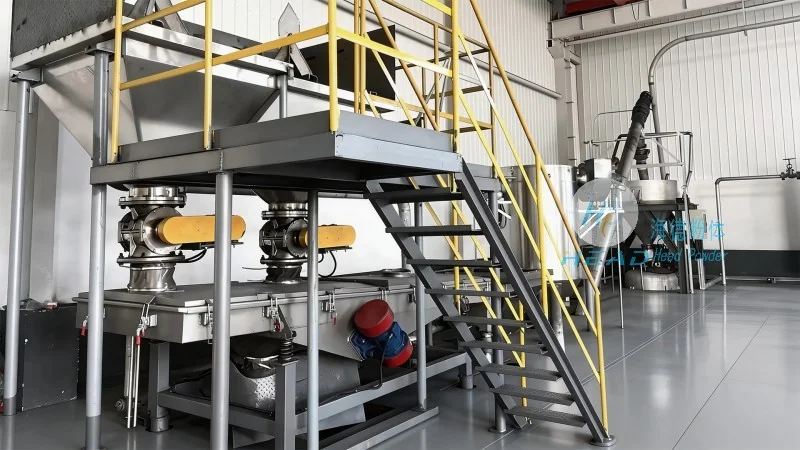
Overview of Pneumatic Conveying Systems for Kaolin Powder
Pneumatic conveying systems are essential for the safe and effective transport of dry powders like kaolin, which is widely used in industries including ceramics, paper, and coatings. These systems utilize air or gas as the conveying medium to move material from one location to another without the need for mechanical components like belts or buckets. The choice of a suitable system depends on factors such as the material's properties, required conveying distance, and the desired level of product protection.
Working Principle of Kaolin Powder Pneumatic Conveying System
The core mechanism of a kaolin powder pneumatic conveying system involves the creation of a controlled airflow that propels the powder particles through a pipeline. The process typically begins with the material being fed into a hopper or feeder, where it is then introduced into the conveying line. A fan or blower generates the necessary air pressure, which is directed through the pipeline to move the powder. The system may employ different modes of operation, including dilute phase (where particles are suspended in the air stream) or dense phase (where particles are more concentrated), depending on the specific requirements of the application.
In a dilute phase system, the air velocity is high enough to keep the kaolin particles suspended, allowing for long-distance transport with minimal pressure drops. Conversely, dense phase systems operate at lower velocities, ensuring that the particles move in a more compacted state, which is beneficial for delicate or sensitive materials that require gentle handling. The system also includes components such as cyclones, filters, and receivers to separate the powder from the air and collect it at the destination point.
Key Features of the Kaolin Powder Pneumatic Conveying System
Several distinct features make the kaolin powder pneumatic conveying system an optimal solution for industrial applications:
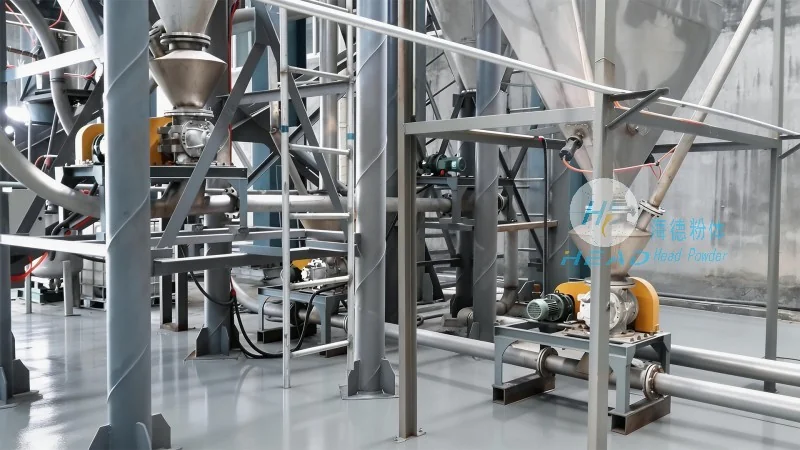
1. High Efficiency and Low Maintenance: The system is designed for continuous operation with minimal downtime, thanks to its robust construction and automated controls. The absence of moving parts in the conveying line reduces wear and tear, leading to lower maintenance costs over the system's lifespan.
2. Gentle Material Handling: Unlike mechanical conveyors, which can cause abrasion or degradation of the powder, pneumatic systems provide a soft and controlled environment. This is particularly important for kaolin, which is sensitive to moisture and physical stress, as it helps preserve the material's quality and particle size distribution.
3. Versatility in Conveying Modes: The system can be configured to handle various conveying distances and material flow rates. It can be adapted to both horizontal and vertical transport, making it suitable for complex layouts in industrial facilities. The ability to switch between dilute and dense phase modes allows for flexibility in meeting different operational needs.
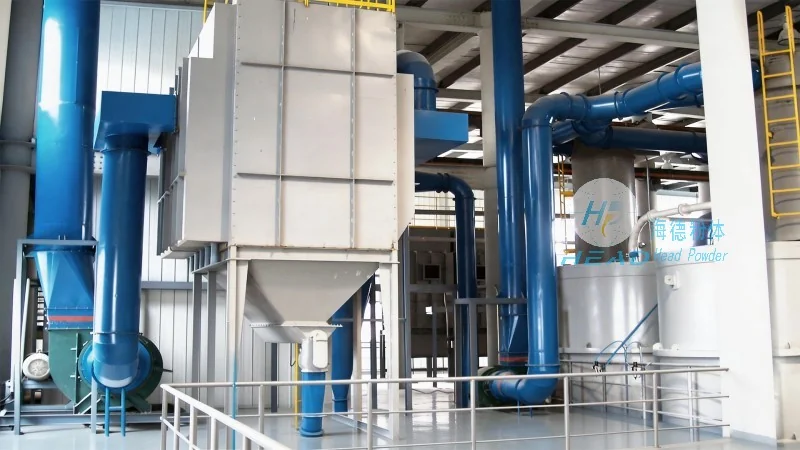
4. Integrated Filtration and Dust Control: To ensure environmental compliance and product purity, the system incorporates advanced filtration and dust collection systems. These components capture any fine particles that may escape the conveying line, preventing air pollution and maintaining a clean working environment. The collected powder is then returned to the system or disposed of as required.
5. Energy Efficiency: Modern pneumatic conveying systems are engineered to optimize energy usage. By using high-efficiency fans and blowers, and minimizing pressure losses in the pipeline, the system reduces energy consumption compared to traditional mechanical conveyors, contributing to lower operational costs.
Application-Specific Benefits for Kaolin Processing
For industries processing kaolin, the pneumatic conveying system offers several advantages that directly impact productivity and product quality:
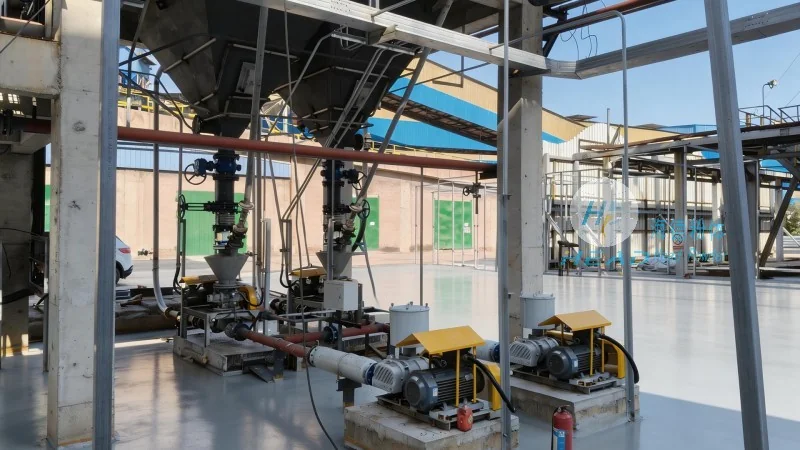
First, the system ensures that the kaolin powder is transported without contamination from external sources, as the entire process is enclosed and sealed. This is critical for maintaining the purity of the material, which is essential for applications in the paper and ceramics industries where even minor impurities can affect the final product's performance.
Second, the gentle handling of the powder preserves its natural properties, such as its whiteness and fineness. This is particularly important for kaolin used in high-end applications like fine paper and specialty coatings, where the material's characteristics are directly linked to the quality of the end product.
Third, the system's ability to handle both bulk and fine powders makes it suitable for various stages of kaolin processing, from raw material storage to final product packaging. The flexibility in conveying modes allows for seamless integration into existing production lines, reducing the need for extensive modifications.
Conclusion
HeadPowder's kaolin powder pneumatic conveying system exemplifies the combination of advanced technology and practical design, providing an efficient, reliable, and cost-effective solution for the transportation of high-value powders. By understanding the working principle and leveraging the key features of such a system, industries can enhance their operational performance while maintaining the integrity of their products. The system's adaptability and energy efficiency make it a preferred choice for modern industrial applications, ensuring long-term success and sustainability in material handling.




