HeadPowder, a leading provider of powder handling solutions, specializes in negative pressure dilute phase powder conveying systems. This technology is designed to efficiently transport fine powders and bulk materials over long distances with minimal pressure loss and energy consumption. The system operates by creating a negative pressure environment within the conveying line, which draws the material from the source and transports it to the destination. This method is particularly effective for applications requiring clean and dust-free material transfer, such as in pharmaceutical, food, and chemical industries.
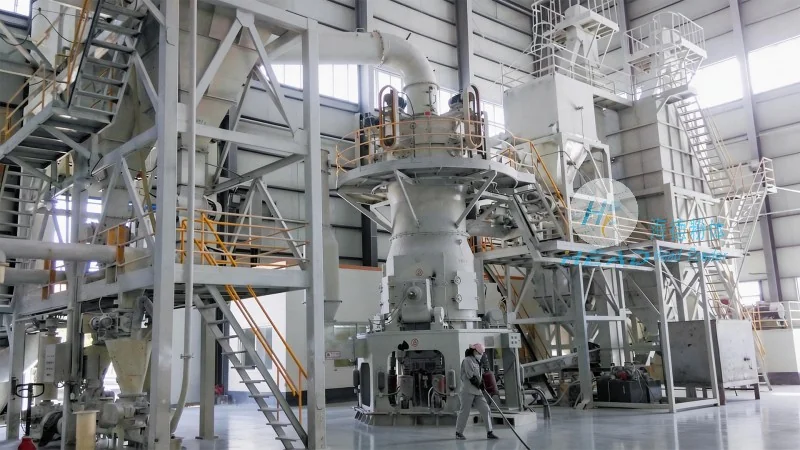
Working Principle of Negative Pressure Dilute Phase Powder Conveying Systems
The core of the negative pressure dilute phase powder conveying system lies in its ability to generate a vacuum or reduced pressure within the pipeline. As the system starts, the fan or blower creates a low-pressure zone, which induces the powder to flow from the hopper or storage bin into the conveying line. The material is then suspended in the air stream and carried to the discharge point. The key components include a fan, a hopper with a feeder, a conveying pipe, and a filter or cyclone for material separation. The system ensures that the powder remains in a dilute phase (i.e., suspended in air) throughout the conveying process, which minimizes blockages and reduces wear on the equipment. This principle allows for efficient and reliable material transport, even for materials with low flowability or high moisture content.
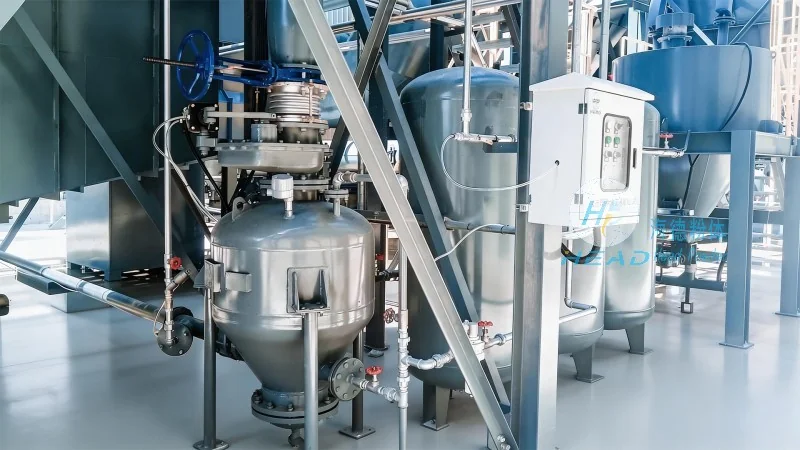
Key Features of Negative Pressure Dilute Phase Powder Conveying Systems
One of the primary advantages of negative pressure dilute phase powder conveying systems is their ability to operate in a clean and dust-free environment. The system draws material from the source, preventing dust emissions and contamination of the surrounding area. This makes it ideal for industries where product purity is critical, such as pharmaceuticals and food processing. Another significant feature is the low energy consumption compared to positive pressure systems. By operating at lower pressures, the system reduces the power required for material transport, leading to cost savings and reduced operational expenses. Additionally, the system is highly flexible and can be adapted to various material types and conveying distances. It can handle a wide range of particle sizes and moisture contents, making it suitable for diverse applications. The modular design of the system allows for easy installation and maintenance, with components that can be replaced or upgraded as needed. This adaptability ensures that the system can meet the evolving needs of industrial operations.
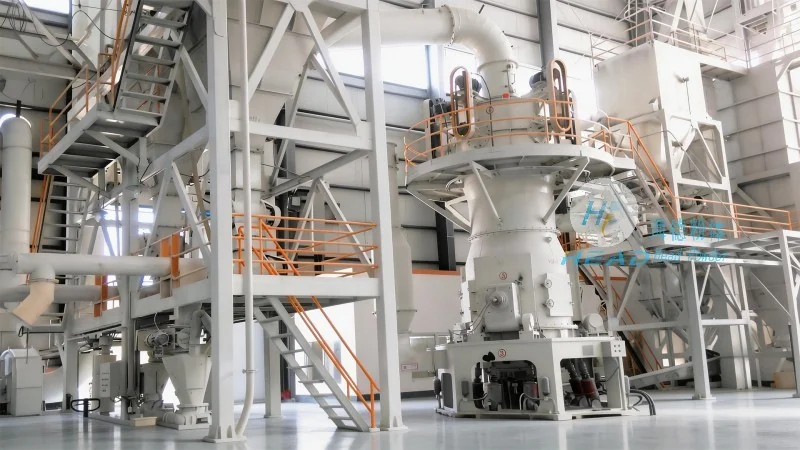
Applications and Benefits in Industrial Settings
HeadPowder's negative pressure dilute phase powder conveying systems are widely used in various industrial sectors. In the pharmaceutical industry, the system ensures that powders are transferred without contamination, maintaining the integrity of the final product. In the food industry, it provides a hygienic and dust-free transfer process, complying with stringent regulatory standards. The chemical industry benefits from the system's ability to handle abrasive and corrosive materials, reducing equipment wear and extending the lifespan of the conveying components. The system also enhances safety in the workplace by minimizing dust exposure and preventing material spillage. By using a negative pressure environment, the system prevents dust from escaping into the air, reducing the risk of respiratory issues and environmental contamination. This makes it a preferred choice for industries where worker safety and environmental compliance are paramount.
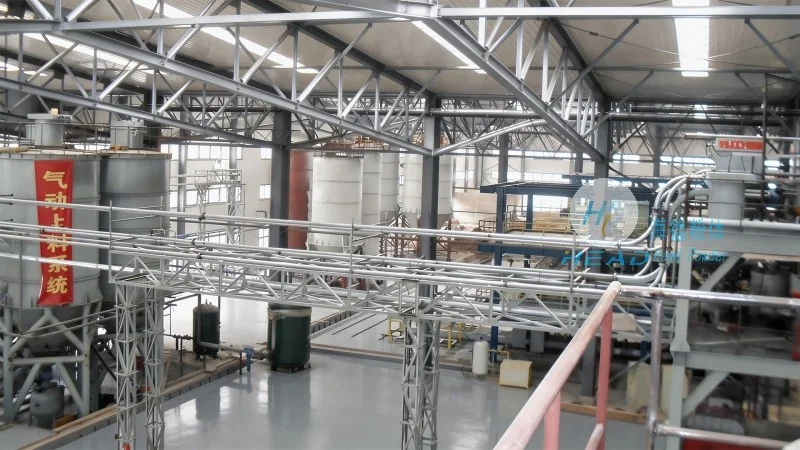
Technical Advantages and Efficiency
The negative pressure dilute phase powder conveying system offers several technical advantages that contribute to its efficiency and reliability. The system operates at lower pressures, which reduces the stress on the conveying line and components, leading to longer service life. The dilute phase operation ensures that the material is well-mixed with the air stream, preventing agglomeration and ensuring consistent flow rates. This consistency is crucial for processes that require precise material control, such as blending and mixing. The system also allows for variable speed control, enabling operators to adjust the conveying rate based on the material's characteristics and the process requirements. This flexibility enhances the system's adaptability to different production scenarios. Furthermore, the system's compact design and modular components make it easy to integrate into existing industrial setups, reducing installation time and costs. The use of high-quality materials and advanced manufacturing techniques ensures that the system meets the highest standards of performance and durability.




