Fine sand powder conveying systems operate through a series of integrated mechanisms designed to handle the unique properties of fine sand materials. The process typically begins with material feeding, where the fine sand is introduced into the conveying equipment. This is often achieved using a hopper or a feeding device that ensures a consistent flow of material into the system. The core of the conveying mechanism involves the use of positive displacement or pneumatic methods, depending on the specific application requirements. For instance, positive displacement conveyors, such as screw conveyors or rotary valves, utilize rotating components to move the fine sand through a sealed tube. This method is effective for materials that are prone to clogging or have high moisture content, as it maintains a constant pressure and prevents material buildup. Alternatively, pneumatic conveying systems use compressed air to transport the fine sand in a dilute or dense phase. The choice between these methods depends on factors like the distance of transport, the volume of material, and the need for dust control. In either case, the system is equipped with controls that regulate the flow rate and pressure, ensuring smooth and efficient operation.
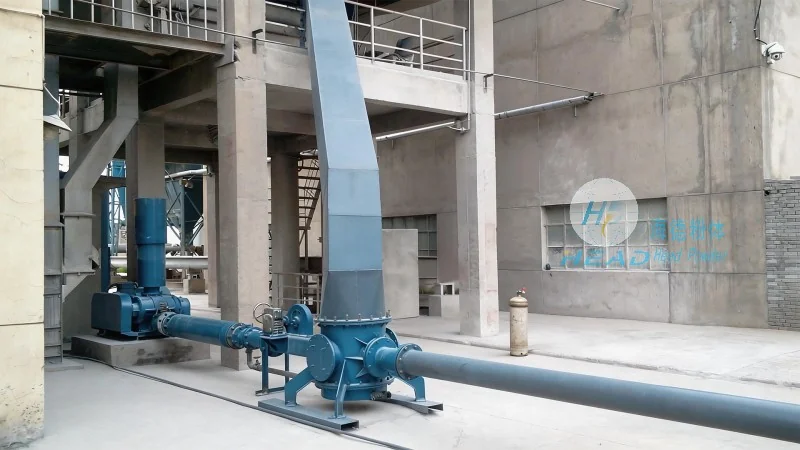
Key Characteristics of Fine Sand Powder Conveying Systems
When evaluating fine sand powder conveying systems, several key characteristics stand out as critical for performance and reliability. Firstly, efficiency is a primary concern, as the system must minimize energy consumption while maximizing material throughput. Modern conveying solutions often incorporate energy-saving features, such as variable speed drives and optimized air flow management, to achieve this balance. Secondly, dust control is paramount due to the fine nature of the material, which can lead to airborne particles and health hazards. Advanced systems employ sealed enclosures, filtration systems, and proper ventilation to mitigate dust emissions, ensuring compliance with environmental regulations and workplace safety standards. Thirdly, the system's ability to handle variations in material properties is essential. Fine sand materials can vary in particle size, moisture content, and density, and a robust conveying system must adapt to these changes without compromising performance. This adaptability is often achieved through adjustable components, such as variable speed motors and flexible ducting, which allow operators to fine-tune the system to the specific material being processed. Additionally, reliability and durability are crucial factors, as the equipment must withstand the abrasive nature of fine sand and operate continuously without frequent maintenance. High-quality materials, such as stainless steel or corrosion-resistant alloys, are commonly used in the construction of conveying components to extend the system's lifespan and reduce downtime.
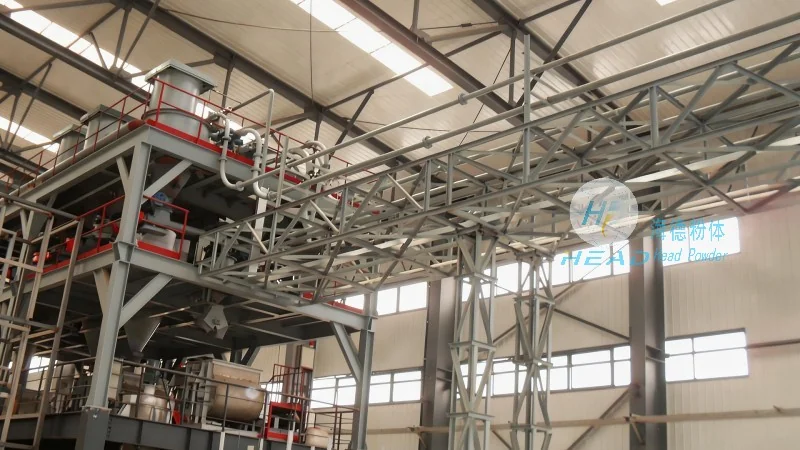
Application and Industry Relevance
Fine sand powder conveying systems find widespread application across various industries, including construction, mining, and manufacturing. In the construction sector, these systems are vital for transporting sand used in concrete production, mortar, and other building materials. The ability to handle fine sand efficiently ensures consistent quality in construction projects, reducing the risk of material inconsistencies that could affect structural integrity. In the mining industry, fine sand conveying is essential for processing and transporting ore and other mineral powders. The systems help maintain a steady supply of raw materials to processing plants, improving operational efficiency and reducing bottlenecks. Furthermore, in the manufacturing industry, fine sand is used in the production of ceramics, glass, and other high-value products. The precise control of fine sand flow is critical in these applications, as it directly impacts the final product's quality and characteristics. Companies like Shandong HeadPowder Engineering Co., Ltd. specialize in designing and manufacturing customized conveying solutions tailored to the specific needs of these industries. Their expertise in material handling and system integration ensures that clients receive equipment that is both efficient and reliable, meeting the demands of modern production processes.
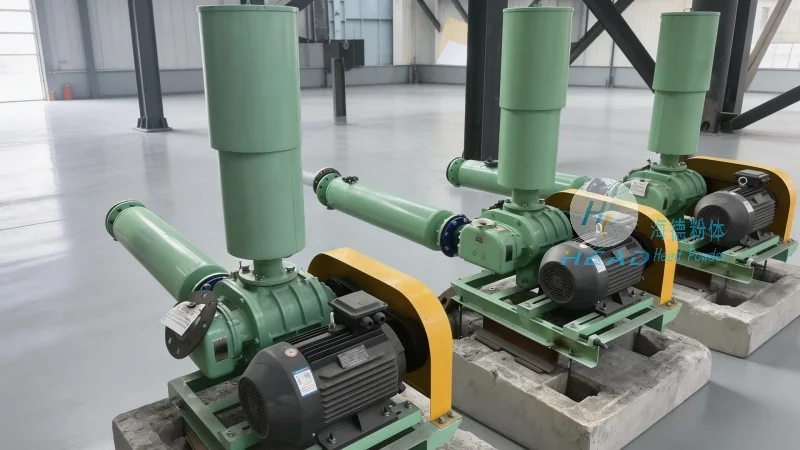
Advantages of Choosing HeadPowder for Fine Sand Conveying Solutions
For businesses seeking reliable fine sand powder conveying solutions, partnering with a specialized company like Shandong HeadPowder Engineering Co., Ltd. offers significant advantages. HeadPowder, a leading provider in the field, brings decades of experience and technical expertise to every project. The company's team of engineers and technicians works closely with clients to understand their unique requirements, from material properties to operational constraints. This collaborative approach ensures that the final conveying system is optimized for performance and cost-effectiveness. One of the key benefits of choosing HeadPowder is their commitment to quality and innovation. The company invests in research and development to stay at the forefront of conveying technology, incorporating the latest advancements in materials, control systems, and energy efficiency. This focus on innovation translates into products that outperform traditional solutions, providing longer service life and lower maintenance costs. Additionally, HeadPowder offers comprehensive support services, including installation, commissioning, and ongoing maintenance. This end-to-end support ensures that clients can rely on their conveying systems to operate at peak performance, minimizing downtime and maximizing productivity. The company's facilities are located in Shandong, China, providing a strategic advantage for clients in the region and ensuring efficient logistics and support. By choosing HeadPowder, businesses gain access to a trusted partner that understands the complexities of fine sand handling and is dedicated to delivering solutions that meet the highest standards of quality and reliability.




