

Working Principle and Features of Pneumatic Conveying Equipment for Lithium Battery Raw Materials
For manufacturers in the lithium battery industry, the efficient and reliable handling of raw materials is a critical factor in production efficiency and product quality. Pneumatic conveying equipment has become an essential solution for transporting lithium battery raw materials, such as lithium carbonate, lithium hydroxide, and other powders. This article will explore the working principle and key features of pneumatic conveying systems designed for lithium battery raw materials, providing insights into how these technologies enhance operational performance.
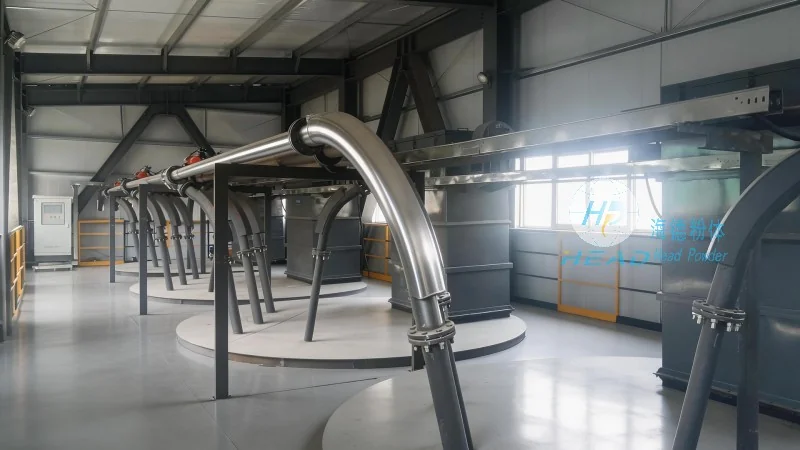
Introduction to Pneumatic Conveying Systems for Lithium Battery Raw Materials
Shandong HeadPowder Engineering Co., Ltd., a leading manufacturer in the field, specializes in the design and production of advanced pneumatic conveying equipment tailored for the lithium battery industry. The company's expertise lies in developing systems that meet the stringent requirements of raw material handling, ensuring minimal dust, high efficiency, and precise control. With a focus on innovation and customer-centric solutions, HeadPowder has established itself as a trusted partner for businesses seeking to optimize their material handling processes.
Working Principle of Pneumatic Conveying Equipment
The core of pneumatic conveying systems is the use of air pressure to transport powders and granules through a pipeline network. The process typically involves several key components: a feeding device, a conveying pipeline, a separation system, and a discharge outlet. When the system is activated, compressed air is introduced into the pipeline, creating a flow that draws the raw material from the hopper into the conveying line. The air velocity is carefully controlled to ensure the material is carried without causing excessive wear or degradation. This method eliminates the need for mechanical components like belts or buckets, reducing maintenance and operational costs.
Key Features of Lithium Battery Raw Material Pneumatic Conveying Equipment
1. High Efficiency and Low Energy Consumption: Modern pneumatic conveying systems are engineered to maximize material throughput while minimizing energy use. Advanced designs, such as the use of pulse or dilute phase conveying, optimize air usage and reduce operational costs. This efficiency is particularly important for large-scale lithium battery production lines where continuous material flow is essential.
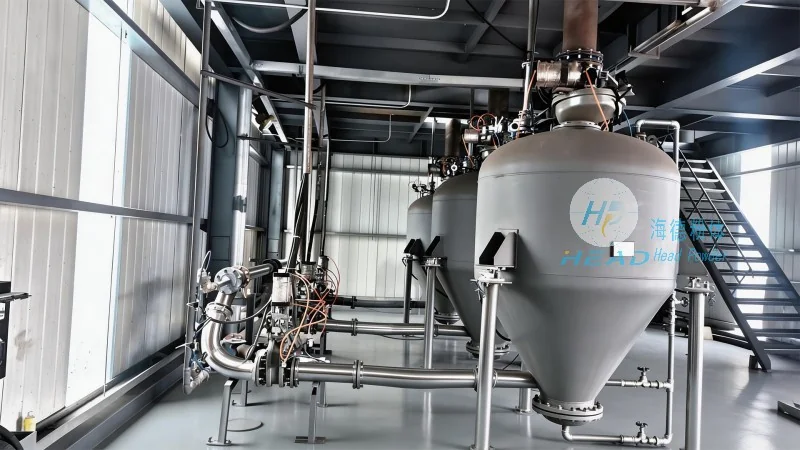
2. Minimal Dust and Environmental Protection: Unlike mechanical conveying methods, pneumatic systems effectively contain dust, preventing contamination and ensuring compliance with environmental regulations. The enclosed pipeline design keeps powders within the system, reducing exposure to the environment and improving workplace safety. This feature is crucial for handling sensitive lithium battery raw materials that require strict cleanliness standards.
3. Flexible and Scalable Design: Pneumatic conveying equipment can be customized to fit various production scales and layouts. Whether for small-scale pilot operations or large industrial plants, the systems can be adjusted to handle different material types and flow rates. The modular design allows for easy expansion or integration with existing production lines, providing flexibility as production needs evolve.
4. Precise Control and Uniform Material Distribution: Advanced control systems enable precise regulation of air pressure and flow, ensuring consistent material transport. This uniformity is vital for maintaining product quality in lithium battery manufacturing, where even small variations in raw material composition can impact battery performance. The ability to control the conveying speed and direction allows for accurate distribution of materials to processing units, enhancing overall production reliability.
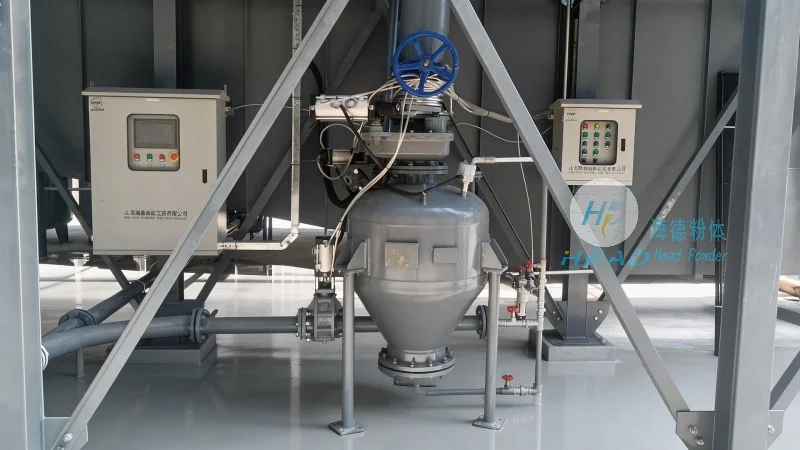
Application in Lithium Battery Production
Pneumatic conveying equipment plays a pivotal role in the lithium battery production process, particularly in the handling of critical raw materials like lithium carbonate and lithium hydroxide. These materials are often sensitive to moisture and contamination, making the enclosed nature of pneumatic systems highly advantageous. The equipment ensures that raw materials are transported from storage silos to processing units without exposure to external elements, preserving their quality and purity.
For example, in the production of lithium-ion batteries, the raw materials are typically stored in bulk silos and then conveyed to mixing and coating machines. The pneumatic system provides a seamless transition between these stages, maintaining the material's integrity and preventing cross-contamination. This efficiency not only speeds up production cycles but also reduces the risk of material loss or degradation, contributing to higher overall yields.
Conclusion
As the lithium battery industry continues to grow, the demand for efficient and reliable material handling solutions remains high. Pneumatic conveying equipment from Shandong HeadPowder Engineering Co., Ltd. offers a superior alternative to traditional mechanical methods, combining high performance with environmental benefits. By understanding the working principle and key features of these systems, manufacturers can make informed decisions to optimize their production processes and enhance product quality. With its commitment to innovation and customer satisfaction, HeadPowder remains at the forefront of providing tailored solutions for the evolving needs of the lithium battery sector.