

[W]Working Principle and Features of Gypsum Powder Pneumatic Conveying Equipment
When it comes to the efficient and reliable transportation of gypsum powder, the pneumatic conveying system stands out as a sophisticated solution. This article delves into the working principle and key characteristics of gypsum powder pneumatic conveying equipment, providing insights into how it operates and the benefits it offers in industrial applications.
Introduction to Gypsum Powder Pneumatic Conveying Equipment
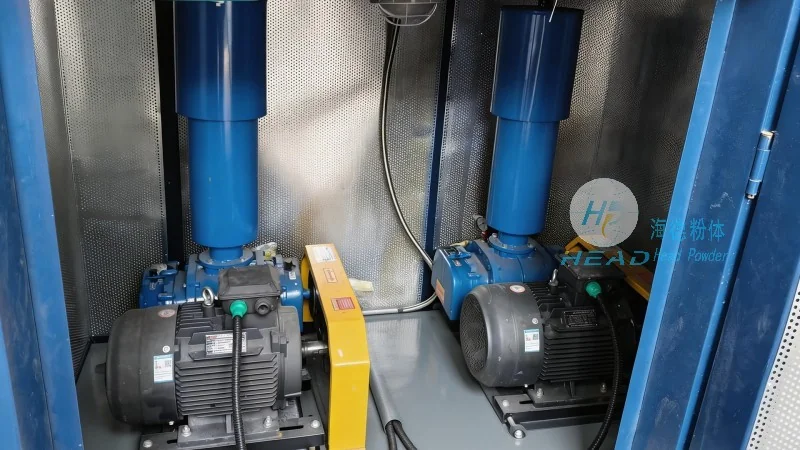
Gypsum powder, a widely used material in construction and manufacturing, requires specialized handling equipment to ensure safe and efficient transport. The pneumatic conveying machine, manufactured by Shandong HeadPowder Engineering Co., Ltd., is designed to address these needs. This equipment is engineered to handle gypsum powder with precision, offering a solution that minimizes dust, reduces material loss, and enhances overall operational efficiency.
Company Overview: Shandong HeadPowder Engineering Co., Ltd.
HeadPowder, a leading manufacturer based in Shandong, China, specializes in the design and production of advanced pneumatic conveying systems. With a strong commitment to quality and innovation, the company has established itself as a trusted partner in the industry. The headquarters is located in Shandong, China, where the company leverages its expertise to develop cutting-edge solutions for material handling challenges.
The Working Principle of Gypsum Powder Pneumatic Conveying Equipment
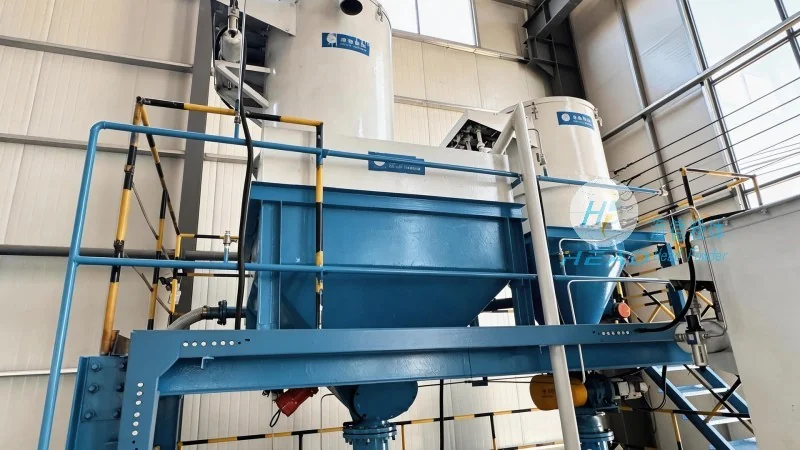
The core of the gypsum powder pneumatic conveying system lies in its ability to transport bulk materials through the use of air pressure. The process typically involves a few key components, including a hopper, a conveyor line, and a control system. The gypsum powder is first loaded into the hopper, where it is then drawn into the conveyor line by a fan or blower. The air flow creates a negative pressure within the system, pulling the powder particles along the pipeline. This method, known as suction conveying, is particularly effective for handling fine powders like gypsum, as it prevents material degradation and ensures a consistent flow.
In some applications, positive pressure conveying may be employed, where the fan pushes air and material through the system. This approach is often used for longer distances or when dealing with heavier loads. Regardless of the pressure type, the equipment is designed to maintain a stable flow rate, ensuring that the gypsum powder reaches its destination without clogging or loss.
Key Features and Advantages of the Gypsum Powder Pneumatic Conveying Machine
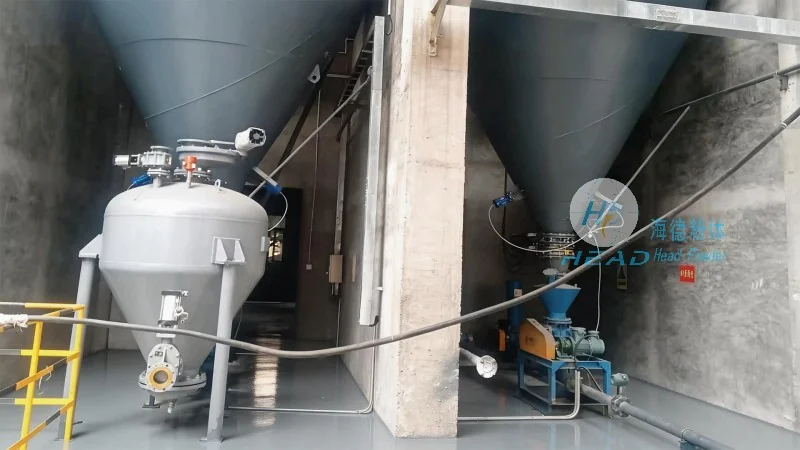
The gypsum powder pneumatic conveying equipment from HeadPowder is equipped with several features that make it an ideal choice for industrial use. One of the primary advantages is its high efficiency in material transport. By utilizing air as the conveying medium, the system minimizes the need for manual handling and reduces the risk of dust exposure, which is a significant concern in gypsum processing. Additionally, the equipment is designed for low maintenance, with components that are easy to replace and inspect, ensuring long-term reliability.
Another notable feature is the system's ability to handle varying particle sizes and moisture content. The design accommodates different types of gypsum powder, from fine to coarse, without compromising performance. This flexibility makes the equipment suitable for a wide range of applications, including gypsum board production, plaster manufacturing, and other industries that rely on consistent material supply.
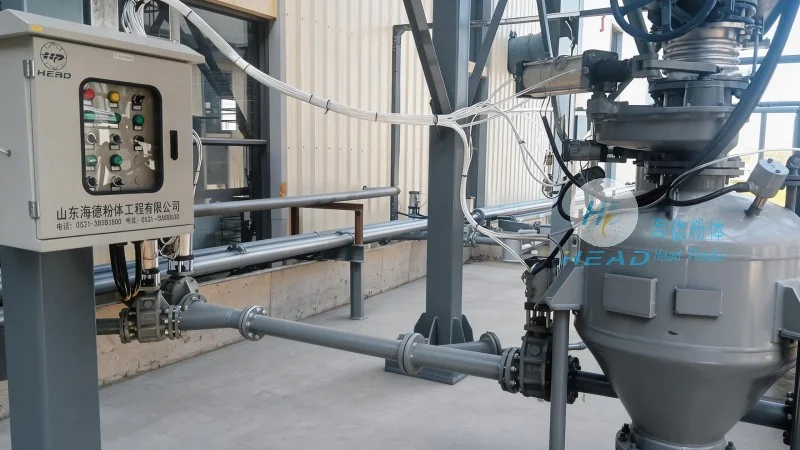
The equipment also incorporates advanced control systems that allow for precise regulation of air flow and pressure. This ensures that the conveying process is optimized for each specific application, reducing energy consumption and operational costs. Furthermore, the system is designed with safety in mind, featuring dust collection and filtration systems that comply with environmental regulations, minimizing the impact on the surrounding environment.
Conclusion
Gypsum powder pneumatic conveying equipment, as exemplified by the solutions from Shandong HeadPowder Engineering Co., Ltd., represents a modern approach to material handling. By understanding its working principle and leveraging its key features, industries can enhance their operational efficiency, reduce costs, and improve safety. The combination of advanced technology and robust design makes this equipment a reliable choice for the transportation of gypsum powder, supporting the needs of various industrial sectors.