Biomass powder, a key material in renewable energy and industrial applications, requires efficient and reliable conveying systems to ensure smooth operation in processing facilities. The choice of conveying method significantly impacts production efficiency, material handling costs, and overall system performance. This article provides an overview of common biomass powder conveying methods, with a focus on the advantages and applications of pneumatic conveying, a widely adopted technique in the industry.
Overview of Conventional Biomass Powder Conveying Techniques
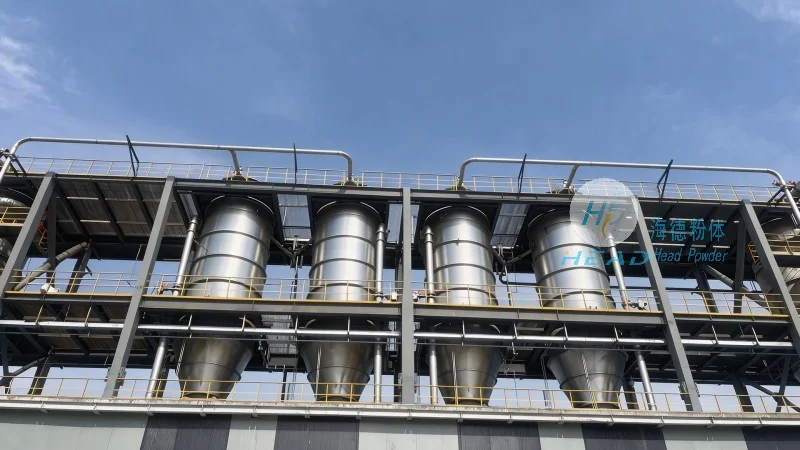
Before delving into pneumatic conveying, it's essential to understand the traditional and alternative methods used for biomass powder transport. These methods include mechanical conveyors such as belt conveyors, screw conveyors, and bucket elevators, which rely on mechanical force to move materials. While effective for certain applications, these systems often face limitations when dealing with fine powders, especially biomass powders, which can lead to issues like material degradation, blockages, and increased maintenance costs. Additionally, mechanical conveyors may not be suitable for long-distance or complex route applications, making them less versatile compared to pneumatic solutions.
Pneumatic Conveying: The Preferred Solution for Biomass Powder Handling
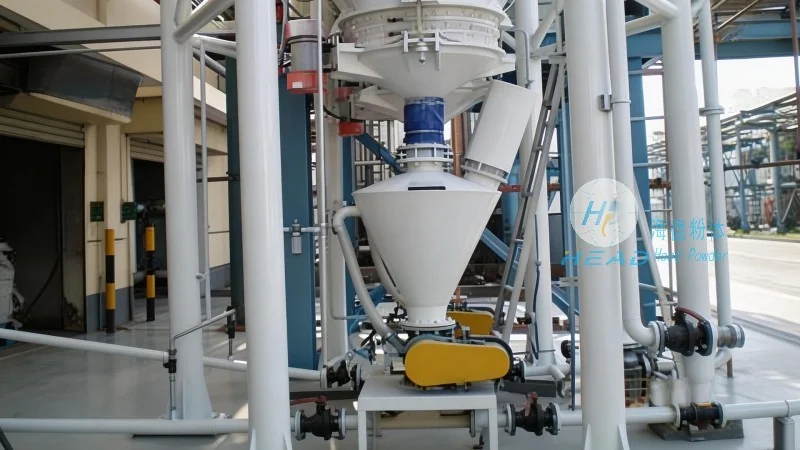
Pneumatic conveying, also known as air conveying, utilizes compressed air to transport biomass powder through a pipeline system. This method offers several advantages over traditional mechanical conveyors, making it the preferred choice for many industries dealing with fine powders. One of the primary benefits is the ability to handle long distances and complex layouts without the need for multiple transfer points. The system can transport materials from multiple sources to a single destination or vice versa, providing flexibility in material flow management. Furthermore, pneumatic conveying minimizes material contamination and degradation, as the powder is enclosed within the pipeline, protecting it from external factors like moisture and dust. This is particularly important for biomass powders, which are often sensitive to environmental conditions.
Types of Pneumatic Conveying Systems for Biomass Powder
There are two main types of pneumatic conveying systems used for biomass powder: pressure and vacuum systems. Pressure systems use compressed air to push the material through the pipeline, while vacuum systems use a vacuum to pull the material. The choice between these systems depends on the specific application requirements, such as the distance, material characteristics, and system layout. For biomass powders, pressure systems are often preferred due to their ability to handle higher material loads and longer distances. However, vacuum systems are suitable for short-distance or low-volume applications where the material is light and easy to move.
Advantages of Pneumatic Conveying for Biomass Powder
Compared to other conveying methods, pneumatic conveying offers numerous benefits for biomass powder handling. Firstly, it provides a clean and hygienic environment, which is crucial for food and pharmaceutical applications where contamination must be strictly controlled. The enclosed pipeline system prevents dust and particles from entering the environment, reducing the risk of respiratory issues and equipment damage. Secondly, pneumatic conveying is highly efficient in terms of energy consumption and material transport speed. The system can move large volumes of biomass powder quickly and with minimal energy input, resulting in lower operational costs. Thirdly, the system is easy to install and maintain, with fewer moving parts compared to mechanical conveyors. This reduces the downtime and maintenance costs associated with equipment failure.
Applications of Pneumatic Conveying in Biomass Powder Processing
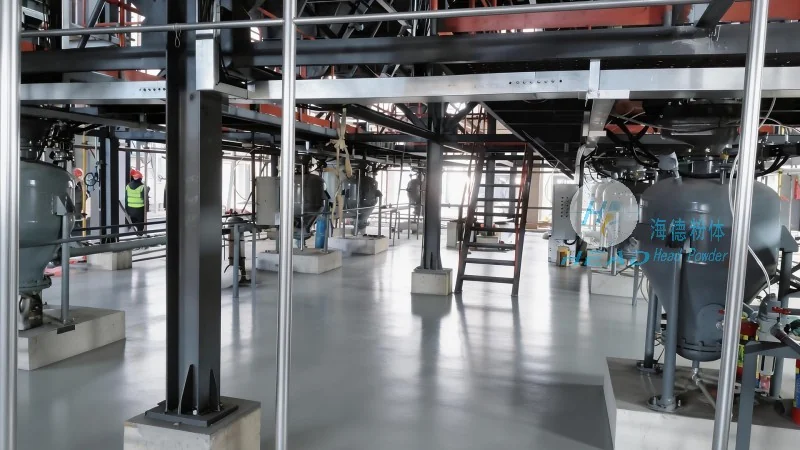
Pneumatic conveying is widely used in various applications involving biomass powder processing. In the renewable energy sector, it is used to transport biomass from storage facilities to boilers or gasifiers, where it is burned to generate heat or electricity. In the industrial sector, it is used to convey biomass powder to processing plants for further treatment, such as grinding, drying, or pelletizing. Additionally, pneumatic conveying is used in the production of biofuels, where biomass powder is converted into liquid or gaseous fuels. The versatility of pneumatic conveying makes it suitable for a wide range of applications, from small-scale operations to large industrial plants.
Conclusion and Company Introduction
As the demand for biomass energy and sustainable materials grows, the need for efficient biomass powder conveying systems becomes increasingly important. Pneumatic conveying, with its advantages in efficiency, flexibility, and material protection, is a key technology in meeting these demands. Shandong HeadPowder Engineering Co., Ltd., a leading manufacturer of biomass powder conveying equipment, specializes in providing customized pneumatic conveying solutions tailored to the specific needs of clients. With years of experience in the industry, the company offers high-quality, reliable systems that enhance production efficiency and reduce operational costs. Based in Shandong, China, HeadPowder Engineering is committed to delivering innovative and sustainable solutions for biomass powder handling, supporting the global transition to renewable energy and sustainable practices.




