

What is a Fine Material Pneumatic Conveying System? And What Are Its Design Principles?
Welcome to the official website of Shandong HeadPowder Engineering Co., Ltd., a leading manufacturer specializing in fine material pneumatic conveying systems. Our company, commonly known as HeadPowder, is based in Shandong, China. This article aims to provide a comprehensive overview of fine material pneumatic conveying equipment, explaining what it is and detailing its fundamental design principles.
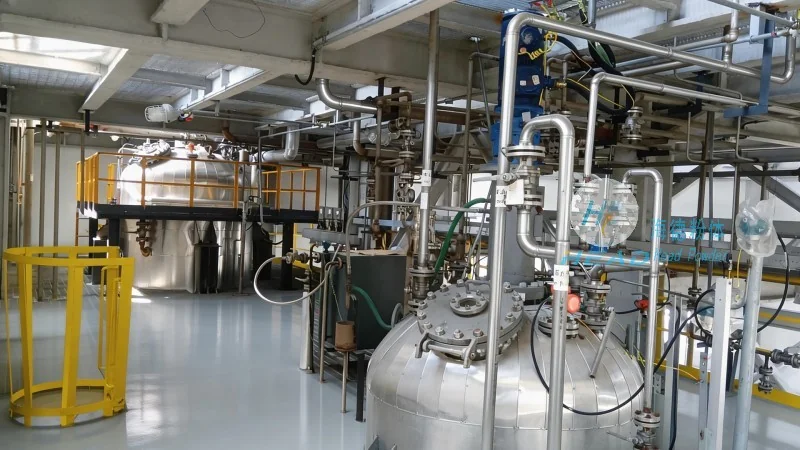
Introduction to Fine Material Pneumatic Conveying Systems
Fine material pneumatic conveying systems are industrial devices designed to transport dry, powdery, or granular materials through a pipeline using compressed air or other gases. These systems are widely used across various industries, including chemical, pharmaceutical, food processing, and cement manufacturing, due to their ability to handle fine powders efficiently and safely. Unlike traditional mechanical conveyors, which may cause dust accumulation and material degradation, pneumatic systems offer a dust-free and hygienic solution for transporting delicate or sensitive materials.
Key Components and Working Principle
The core components of a fine material pneumatic conveying system typically include a material hopper, a feeder, a pipeline network, a compressor or air source, and a receiver or discharge unit. The working principle involves feeding the fine material into the hopper, where it is then drawn into the pipeline by the airflow generated by the compressor. The compressed air carries the material particles through the pipeline to the destination, where it is discharged into a receiver. The design of these components is critical to ensure efficient and reliable material transport. For instance, the feeder must be capable of maintaining a consistent flow rate to prevent clogging or uneven material distribution, while the pipeline must be properly sized and sealed to minimize pressure loss and material loss.
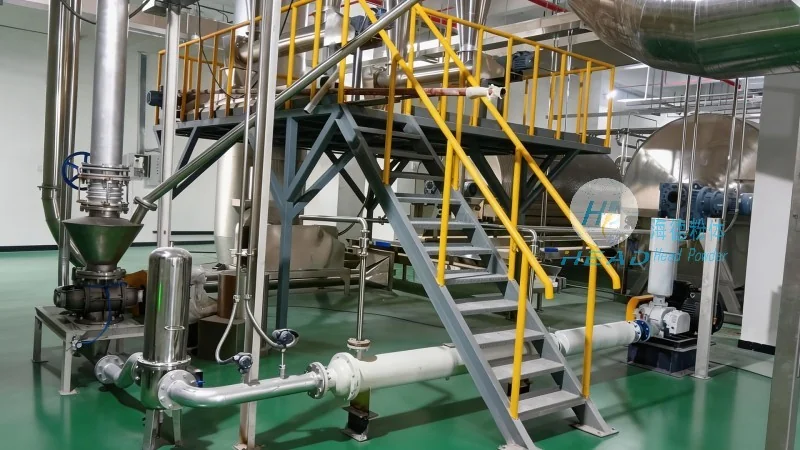
Design Considerations for Fine Material Pneumatic Conveying Equipment
Designing an effective fine material pneumatic conveying system requires careful consideration of several factors. The first is the material characteristics, such as particle size, density, and moisture content, as these directly impact the system's performance. Larger or heavier particles may require higher air velocities or different pipeline configurations to ensure proper transport. The second consideration is the system pressure, which can be either positive or negative pressure. Positive pressure systems use compressed air to push the material forward, while negative pressure systems use suction to draw the material. The choice between these depends on the application and the distance the material needs to be transported. Additionally, the length and layout of the pipeline, as well as the number of bends and fittings, must be optimized to minimize pressure drop and maintain the material's integrity. Proper sealing of all connections is also essential to prevent air leakage and maintain the system's efficiency.
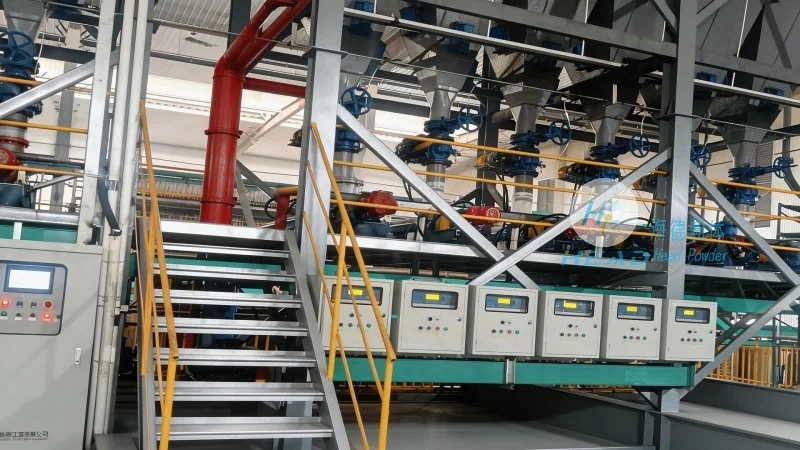
Advantages of Using Fine Material Pneumatic Conveying Systems
There are several key advantages to using fine material pneumatic conveying systems over traditional methods. One of the most significant benefits is the elimination of dust and contamination, as the material is contained within the pipeline. This is particularly important for industries dealing with food, pharmaceuticals, or other products that require strict hygiene standards. Another advantage is the ability to transport materials over long distances without the need for multiple transfer points, which reduces downtime and maintenance costs. Pneumatic systems also offer flexibility in terms of layout, as the pipeline can be installed in various configurations to fit the available space. Furthermore, these systems can handle a wide range of materials, from fine powders to granules, making them versatile for different applications.
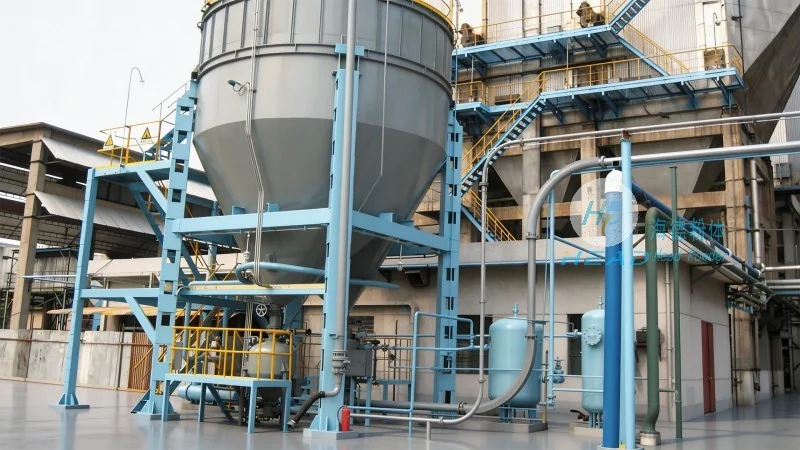
Applications in Various Industries
Fine material pneumatic conveying systems are used in a variety of industries due to their versatility and efficiency. In the chemical industry, they are used to transport raw materials and finished products, such as powders and granules. In the pharmaceutical industry, they are essential for handling active pharmaceutical ingredients (APIs) and other sensitive materials, ensuring that the products remain pure and uncontaminated. The food processing industry also relies on these systems to transport ingredients like flour, sugar, and spices, maintaining the quality and safety of the final products. In the cement and construction industry, pneumatic conveying is used to transport cement and other powders to construction sites, improving efficiency and reducing the need for manual handling. Additionally, in the agricultural sector, these systems are used to transport grain and other agricultural products, facilitating the processing and distribution of these materials.
Company Profile: Shandong HeadPowder Engineering Co., Ltd.
Shandong HeadPowder Engineering Co., Ltd., commonly known as HeadPowder, is a professional manufacturer and supplier of fine material pneumatic conveying systems. Our company is based in Shandong, China, and has been in the industry for many years, providing high-quality equipment and services to clients worldwide. We specialize in designing and manufacturing customized pneumatic conveying systems that meet the specific needs of our clients. Our team of experienced engineers and technicians is dedicated to ensuring that our products are reliable, efficient, and meet the highest standards of quality. We use advanced technology and materials in our manufacturing process to ensure that our systems are durable and long-lasting. Our company is committed to providing excellent customer service and support, helping our clients to achieve their production goals and improve their operational efficiency.