When it comes to handling and transporting dry ash from power plants or industrial facilities, selecting the right conveying method is crucial for efficiency, cost-effectiveness, and environmental compliance. Dry ash, often a byproduct of combustion processes, requires specialized equipment to move it from its source to disposal or reclamation sites. Various methods are employed in the industry, each with its own advantages and applications. This article explores common dry ash conveying methods, with a focus on pneumatic conveying systems, which have become increasingly popular due to their flexibility and effectiveness. The information provided is based on the expertise of Shandong HeadPowder Engineering Co., Ltd., a leading provider of dry ash handling solutions based in China.
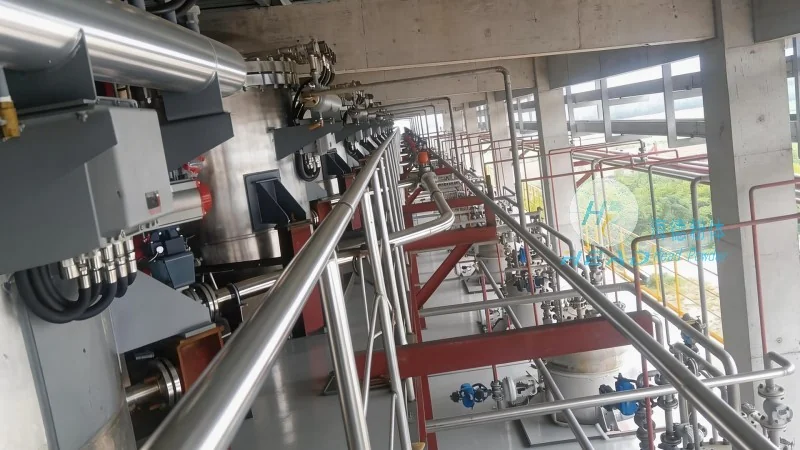
Introduction to Dry Ash Conveying
Dry ash, typically composed of inorganic materials like silica, alumina, and other minerals, poses unique challenges during transportation due to its fine particle size and potential for dust generation. Traditional methods such as gravity or mechanical conveyors may struggle with the handling of fine, abrasive particles, leading to increased wear and reduced efficiency. As a result, modern industrial applications increasingly rely on advanced conveying technologies to ensure safe and reliable transport of dry ash. The choice of conveying method depends on factors such as the ash's properties, the distance to be covered, and the desired system performance.
Common Dry Ash Conveying Methods
Several methods are commonly used for transporting dry ash, each suited to different operational requirements and site conditions. The primary categories include gravity conveyors, mechanical conveyors, and pneumatic conveying systems. Each method has distinct characteristics that make it suitable for specific applications.
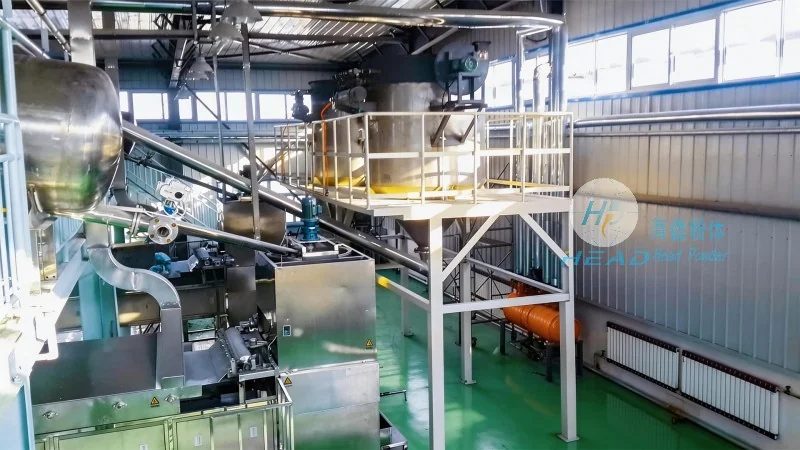
Gravity Conveying Systems
Gravity conveyors utilize the natural force of gravity to move dry ash from a higher elevation to a lower one. These systems typically consist of inclined chutes or troughs that allow the ash to flow downward under the influence of gravity. While simple in design, gravity conveyors are limited by the need for a sufficient vertical drop and the horizontal distance between the source and destination. They are often used in applications where the ash is generated at a higher level and needs to be discharged at a lower point, such as in ash silos or storage facilities. However, their efficiency is constrained by the slope and length of the conveyor, making them less suitable for long-distance or complex layouts.
Mechanical Conveying Systems
Mechanical conveyors employ mechanical components like belts, buckets, or screws to transport dry ash. Belt conveyors, for example, use a continuous belt to move ash from the source to the discharge point, while bucket elevators lift and transport the material vertically. Screw conveyors, on the other hand, use a rotating screw to push the ash along a trough. These systems are effective for handling bulk materials and can be designed to handle a wide range of particle sizes. However, mechanical conveyors may experience higher wear and maintenance costs due to the abrasive nature of dry ash, and they can be less flexible in terms of layout changes compared to pneumatic systems.
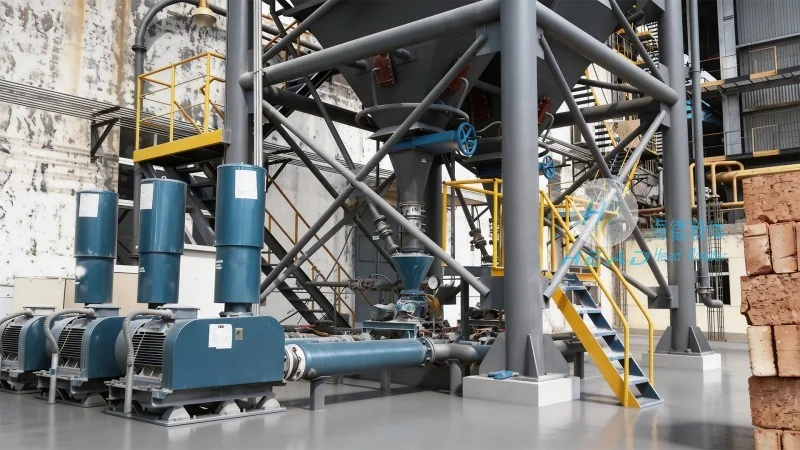
Pneumatic Conveying Systems: The Preferred Solution
Pneumatic conveying systems, particularly pressure and vacuum types, have emerged as the preferred method for dry ash transport in many industrial settings. These systems use compressed air or a vacuum to move dry ash through a pipeline, eliminating the need for mechanical components that come into direct contact with the material. The core components of a pneumatic conveying system include a blower or vacuum pump, a hopper or feeder to introduce the ash, and a pipeline network that transports the material to the discharge point. The system can operate in either pressure or vacuum mode, depending on the application requirements.
Advantages of Pneumatic Conveying for Dry Ash
Pneumatic conveying offers several advantages over traditional methods, making it ideal for dry ash transport. First, it provides a dust-free operation, which is critical for maintaining air quality and complying with environmental regulations. The enclosed pipeline system prevents ash from being released into the environment, reducing the risk of dust pollution. Second, pneumatic systems are highly flexible, allowing for complex layouts and multiple discharge points. This flexibility enables the integration of dry ash into existing infrastructure or the expansion of conveying networks without major modifications. Third, pneumatic conveying can handle fine, abrasive particles without significant wear, as the material is transported in a fluidized state within the pipeline. This reduces maintenance costs and extends the lifespan of the system. Additionally, pneumatic conveying can be designed to operate at high speeds, reducing the overall conveying time and increasing throughput.
Applications of Pneumatic Conveying in Dry Ash Handling
The versatility of pneumatic conveying makes it suitable for a wide range of dry ash applications. In power plants, for example, pneumatic systems are used to transport fly ash from boiler hoppers to storage silos or to disposal sites. The high efficiency and reliability of these systems ensure that ash is moved safely and efficiently, minimizing downtime and operational risks. In industrial facilities, pneumatic conveying can be used to transport bottom ash or other byproducts from processing equipment to waste management areas. The ability to handle both fine and coarse particles makes pneumatic systems adaptable to various ash compositions. Furthermore, pneumatic conveying can be integrated with other processes, such as ash reclamation or recycling, where the ash is used as a raw material in other industrial applications. This integration enhances the overall efficiency of the facility and reduces waste disposal costs.
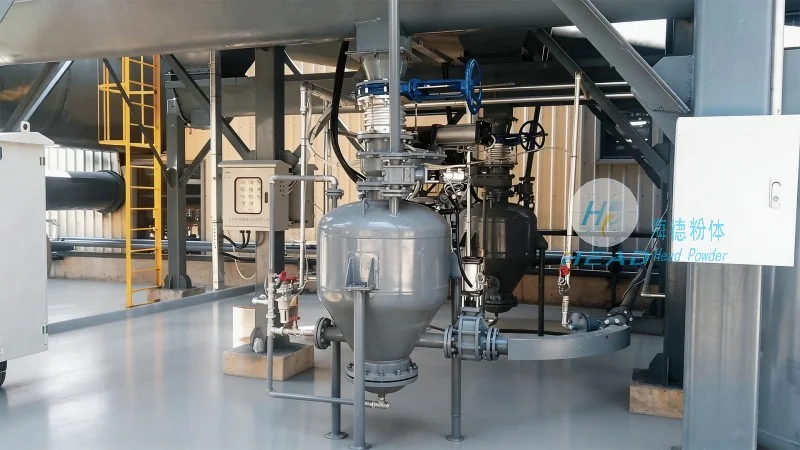
Key Considerations for Pneumatic Dry Ash Conveying
When implementing a pneumatic conveying system for dry ash, several factors must be considered to ensure optimal performance and longevity. First, the ash's properties, such as particle size, moisture content, and abrasiveness, must be carefully evaluated. These properties affect the system's design, including the type of blower, pipeline diameter, and material of construction. For example, highly abrasive ash may require special materials like stainless steel or wear-resistant coatings to prevent premature wear. Second, the system's capacity and flow rate must be matched to the ash generation rate and required discharge rate. Overloading the system can lead to blockages or reduced efficiency, while underloading may result in unnecessary energy consumption. Third, the system's layout and pipeline design are critical for minimizing pressure losses and ensuring smooth flow. Properly sized pipelines and appropriate bends and fittings are essential to maintain the system's performance. Finally, regular maintenance and monitoring are necessary to detect and address any issues promptly, such as clogging or wear, which can impact the system's reliability.
Conclusion
Dry ash conveying is a critical aspect of industrial operations, and the choice of conveying method significantly impacts efficiency, cost, and environmental compliance. While gravity and mechanical conveyors have their uses, pneumatic conveying systems offer superior flexibility, efficiency, and environmental benefits, making them the preferred choice for many applications. By understanding the properties of dry ash and the capabilities of different conveying systems, industrial facilities can select the most appropriate method to ensure safe and effective transport of their ash byproducts. As technology advances, further improvements in pneumatic conveying systems are expected, enhancing their performance and expanding their applications in the future.




