

What is the Pneumatic Conveying of Anhydrous Aluminum Trichloride Powder? And What Are the Design Pr
Anhydrous aluminum trichloride (AlCl₃) is a widely used chemical in various industrial applications, including chemical synthesis, catalyst production, and as a drying agent. Its powder form, when handled, requires efficient and safe material transport methods. Pneumatic conveying is a common technique for moving such powders, offering advantages like low maintenance, flexibility in layout, and the ability to handle hazardous materials in a controlled environment. This article explores the concept of pneumatic conveying for anhydrous aluminum trichloride powder and delves into the key design principles that ensure effective and reliable operation.
Understanding Pneumatic Conveying Systems
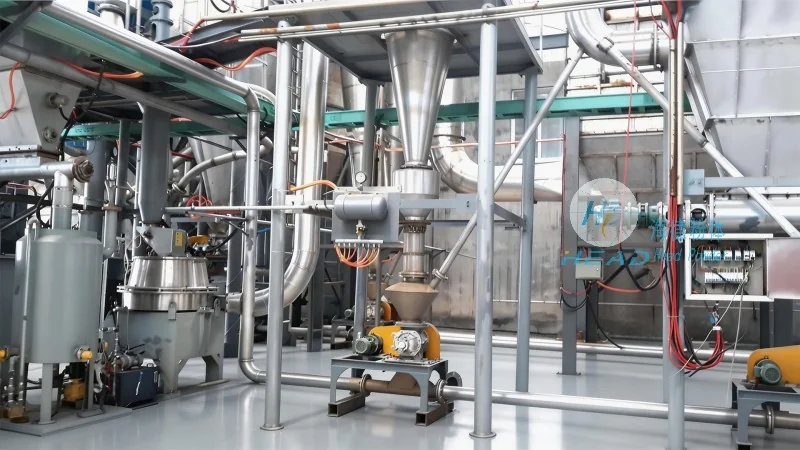
Pneumatic conveying systems utilize air or other gases to transport bulk materials through a pipeline. There are two main types: pressure and vacuum systems. For anhydrous aluminum trichloride, which is hygroscopic and can react with moisture, a pressure system is often preferred as it provides better control over the material flow and reduces exposure to ambient air. The system typically consists of a material feed hopper, a conveyor line (usually made of stainless steel to resist corrosion from the chemical), a venturi or rotary airlock for material discharge, and a dust collector or filter to capture any fine particles that may escape.
Key Design Principles for Anhydrous Aluminum Trichloride Pneumatic Conveying
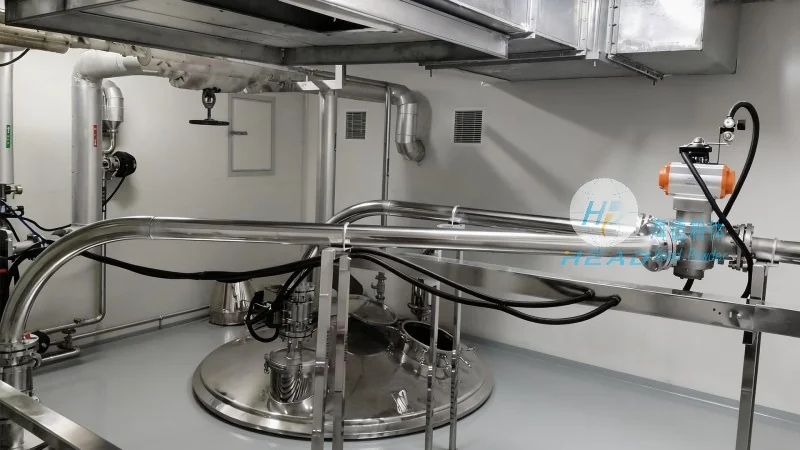
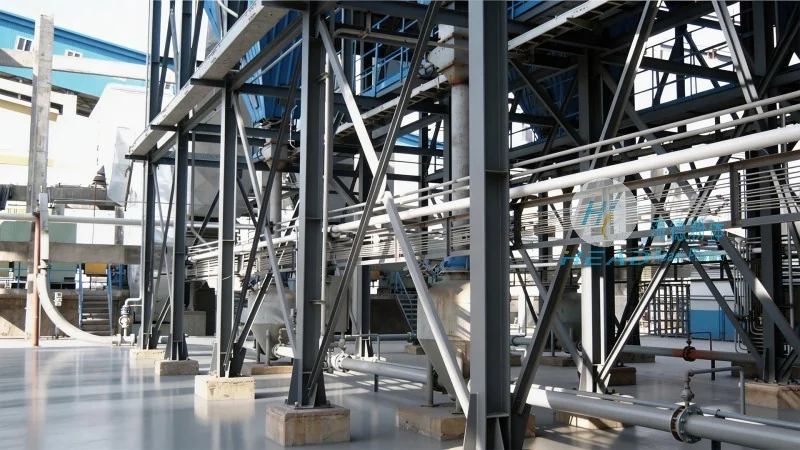
Designing a pneumatic conveying system for anhydrous aluminum trichloride involves several critical considerations to ensure safety, efficiency, and longevity of the equipment. First, the choice of air velocity is crucial. The velocity must be high enough to prevent material settling or bridging in the pipeline but low enough to avoid excessive wear on the system components and to minimize energy consumption. For AlCl₃, typical air velocities range from 20 to 30 meters per second, depending on the particle size and density. Second, the pipeline layout is essential. Horizontal and vertical sections must be carefully designed to avoid pressure drops and ensure smooth material flow. Vertical lifts require additional air pressure to overcome gravity, and the angle of the vertical section should be optimized to prevent material accumulation at the bottom.
Material Handling Equipment Selection
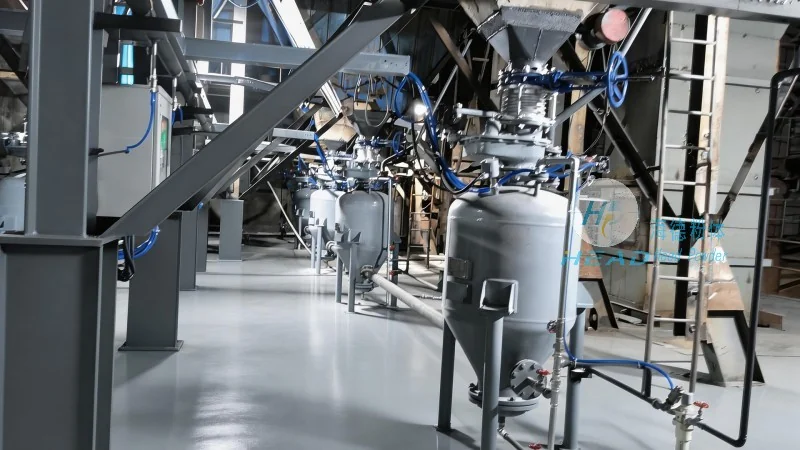
The selection of equipment components is another critical aspect of the design. The feed hopper must be designed to prevent material bridging and ensure a consistent feed rate. A rotary airlock or a star valve is commonly used at the discharge end to control the material flow and prevent backflow of air. The venturi or eductor is used to accelerate the air and pull the material into the pipeline. The material of construction for all components is vital, as AlCl₃ is highly corrosive. Stainless steel, particularly 316L, is often used for the pipeline and fittings due to its resistance to corrosion and chemical attack. Additionally, the system must include a dust collection system to capture any fine particles that may be generated during the conveying process, as these particles can be hazardous if inhaled.
Safety and Operational Considerations
Handling anhydrous aluminum trichloride powder requires strict safety measures due to its reactivity with moisture and potential for dust explosions. The pneumatic conveying system must be designed with explosion-proof components and equipped with pressure relief valves to prevent over-pressurization. The system should also be enclosed to minimize dust exposure and include proper ventilation to remove any airborne particles. Regular maintenance is essential to ensure the system operates efficiently and safely. This includes checking for leaks, cleaning the pipeline and filters, and inspecting the equipment for signs of wear or corrosion.
Conclusion
Pneumatic conveying is an effective method for transporting anhydrous aluminum trichloride powder, and proper design based on the principles outlined above is crucial for successful operation. By selecting the appropriate air velocity, pipeline layout, and equipment materials, and by implementing strict safety measures, the system can efficiently and safely handle this hazardous material. Shandong HeadPowder Engineering Co., Ltd., a leading provider in the field, specializes in designing and manufacturing such pneumatic conveying systems tailored to the specific needs of industrial applications.