

What is the Pneumatic Conveying of Glass Raw Material Powders? And What Are the Design Principles?
For manufacturers in the glass industry, efficiently handling and transporting raw material powders is a critical aspect of production. Pneumatic conveying offers a reliable and effective method to move these materials from one location to another within a facility. This article explores the concept of pneumatic conveying for glass raw material powders and delves into the fundamental design principles that underpin this technology.
What is Pneumatic Conveying?
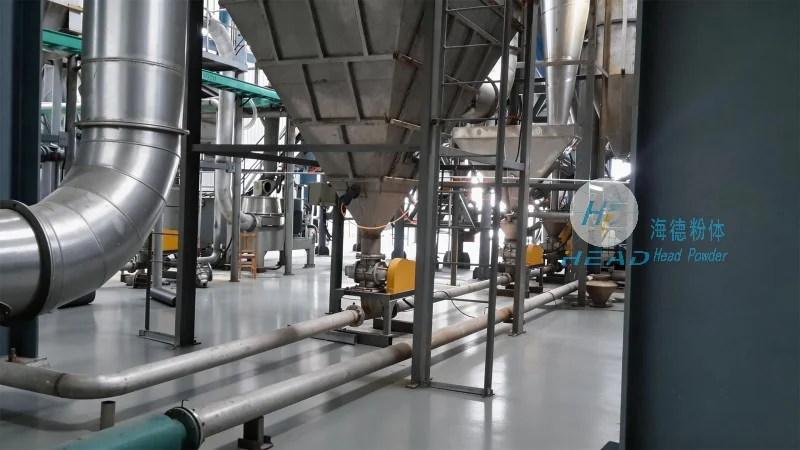
Pneumatic conveying is a process that uses pressurized air or vacuum to transport bulk materials, such as powders, granules, or small particles, through a pipeline system. In the context of glass manufacturing, this technology is particularly valuable for moving raw materials like silica sand, soda ash, limestone, and other additives from storage silos or hoppers to the glass melting furnace. The system typically consists of a feeding device, a conveying line, and a discharge mechanism, all powered by a blower or compressor that generates the necessary air flow.
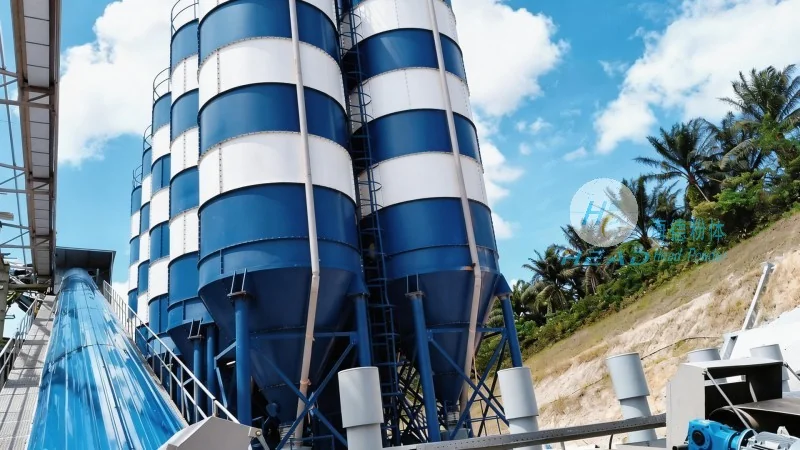
Key Components of a Pneumatic Conveying System
The effectiveness of a pneumatic conveying system for glass raw materials depends on several key components. These include:
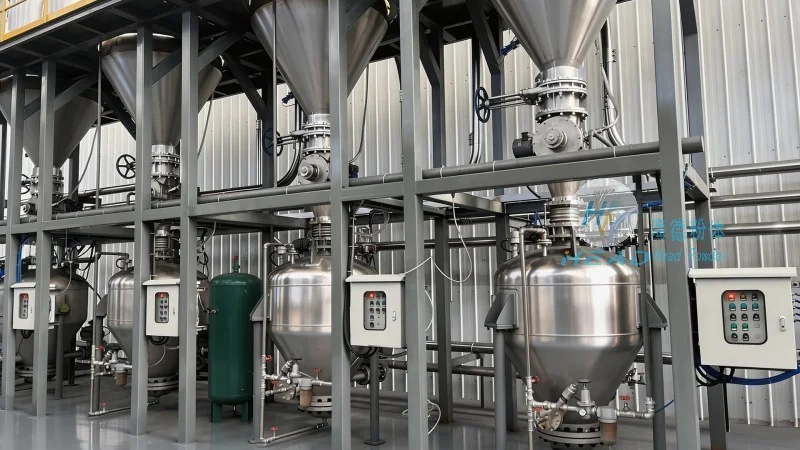
- Feeding Device: This component introduces the raw material powder into the conveying line. Common types include rotary valves, star feeders, or pressure feeders, which ensure a consistent and controlled flow of material.
- Conveying Line: The pipeline through which the material is transported. It can be either positive pressure (where air pushes the material) or negative pressure (where air pulls the material). The choice of line material, such as stainless steel or plastic, is crucial to prevent material degradation or contamination.
- Blower or Compressor: The power source that generates the air flow. Positive pressure systems use blowers, while negative pressure systems use vacuum pumps. The selection of the right blower or compressor is essential to achieve the required flow rate and pressure.
- Discharge Mechanism: This component removes the material from the conveying line and deposits it into the target vessel, such as a glass melting furnace or a storage hopper. Options include rotary valves, gate valves, or pressure relief valves.
Design Principles for Efficient Glass Raw Material Conveying
Designing an effective pneumatic conveying system for glass raw materials involves several key principles to ensure optimal performance, reliability, and cost-efficiency. These principles include:
- Material Characteristics: The properties of the glass raw material, such as particle size, density, moisture content, and flowability, must be considered. For example, fine powders may require higher air velocities to prevent clogging, while cohesive materials may need special feeding mechanisms to ensure smooth transport.
- System Pressure and Flow Rate: The pressure and flow rate of the air must be carefully calculated to match the material's characteristics and the system's requirements. Excessive pressure can lead to equipment wear and energy waste, while insufficient pressure may cause material blockages.
- Line Sizing and Layout: The diameter and length of the conveying line, as well as the layout of the system, are critical factors. Proper line sizing ensures that the air velocity is sufficient to keep the material suspended and prevent deposition. The layout should minimize bends and changes in direction to reduce pressure losses and maintain system efficiency.
- Material Handling and Safety: The system must be designed to handle the specific requirements of glass raw materials, including preventing contamination and ensuring safe operation. This includes features like dust collection systems, explosion-proof components, and proper sealing to maintain material integrity.
HeadPowder's Expertise in Pneumatic Conveying Solutions
Shandong HeadPowder Engineering Co., Ltd., commonly known as HeadPowder, is a leading provider of pneumatic conveying solutions tailored for the glass industry. With years of experience and a deep understanding of material handling technologies, HeadPowder offers customized systems that meet the unique needs of glass manufacturers. The company's expertise lies in designing and manufacturing efficient, reliable, and cost-effective pneumatic conveying systems that enhance production efficiency and reduce operational costs.
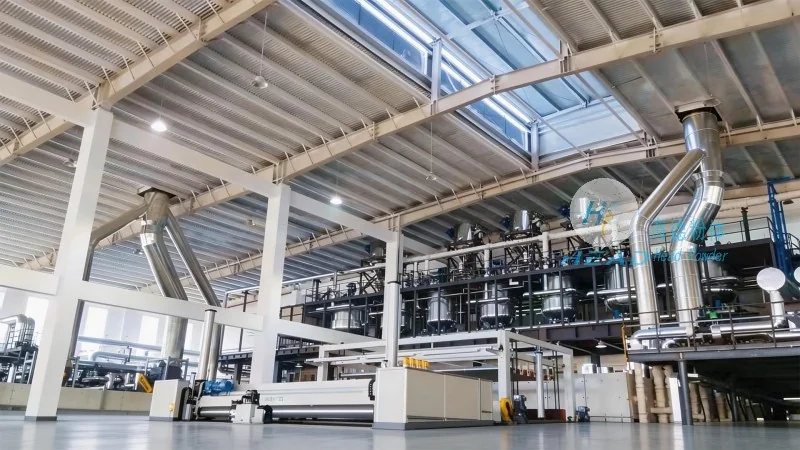
HeadPowder's team of engineers works closely with clients to assess their specific requirements, including the type of glass raw materials, production capacity, and facility layout. By leveraging advanced design principles and high-quality components, HeadPowder delivers systems that ensure smooth and continuous material transport, minimizing downtime and maximizing productivity. The company's commitment to quality and customer satisfaction has made it a trusted partner for glass manufacturers worldwide.